










 Back to Chiller
Description
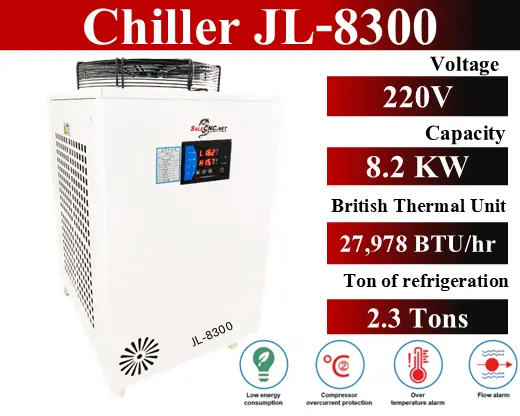
Chiller Water Cooling System
JCW-8300

Chiller Water Cooling System
Industrial Cooling System for Factories
Precise Temperature Control Industrial Cooling System
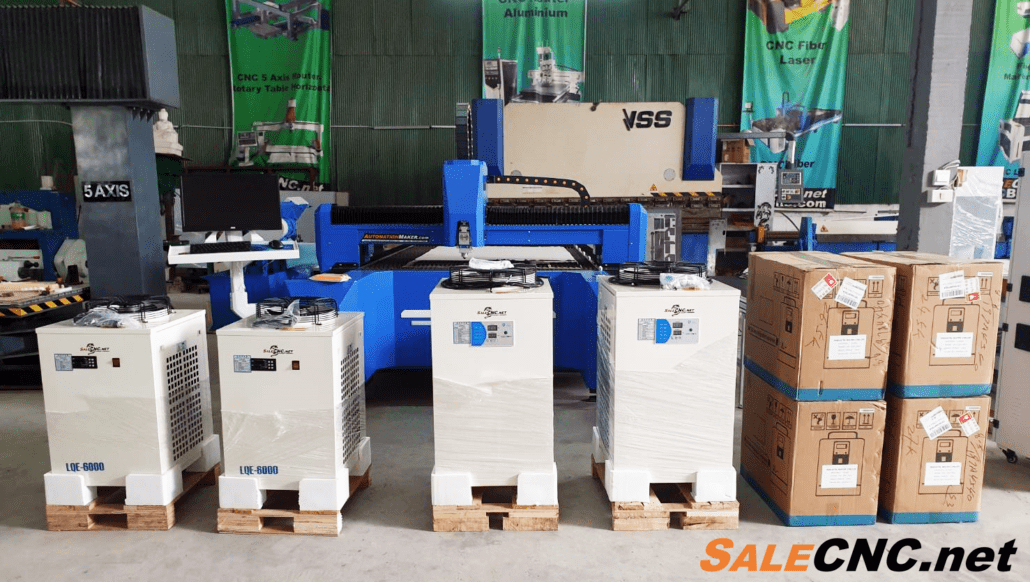
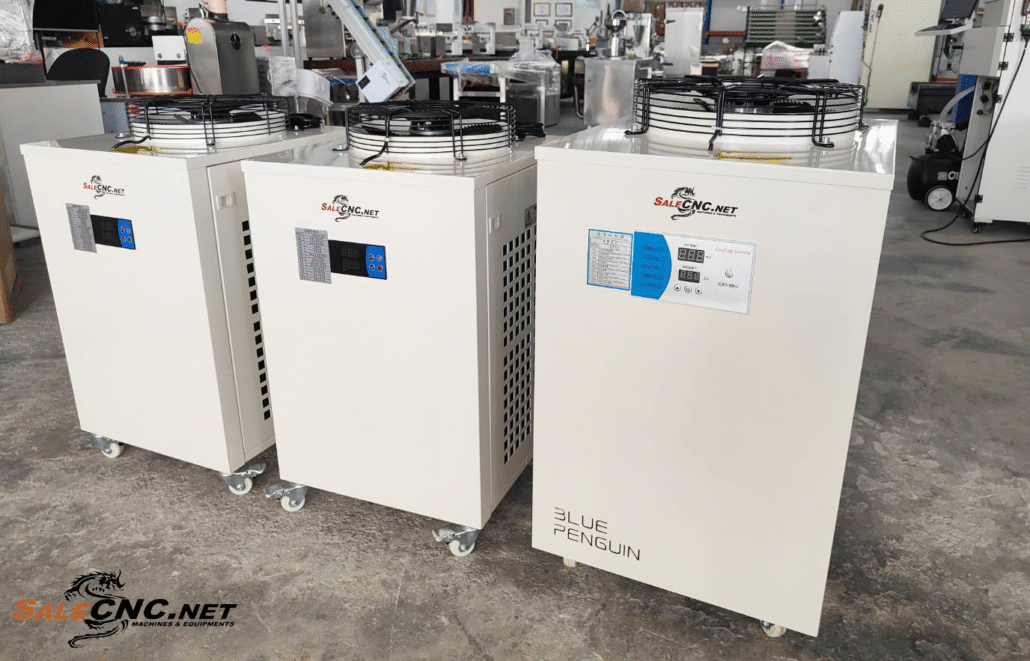
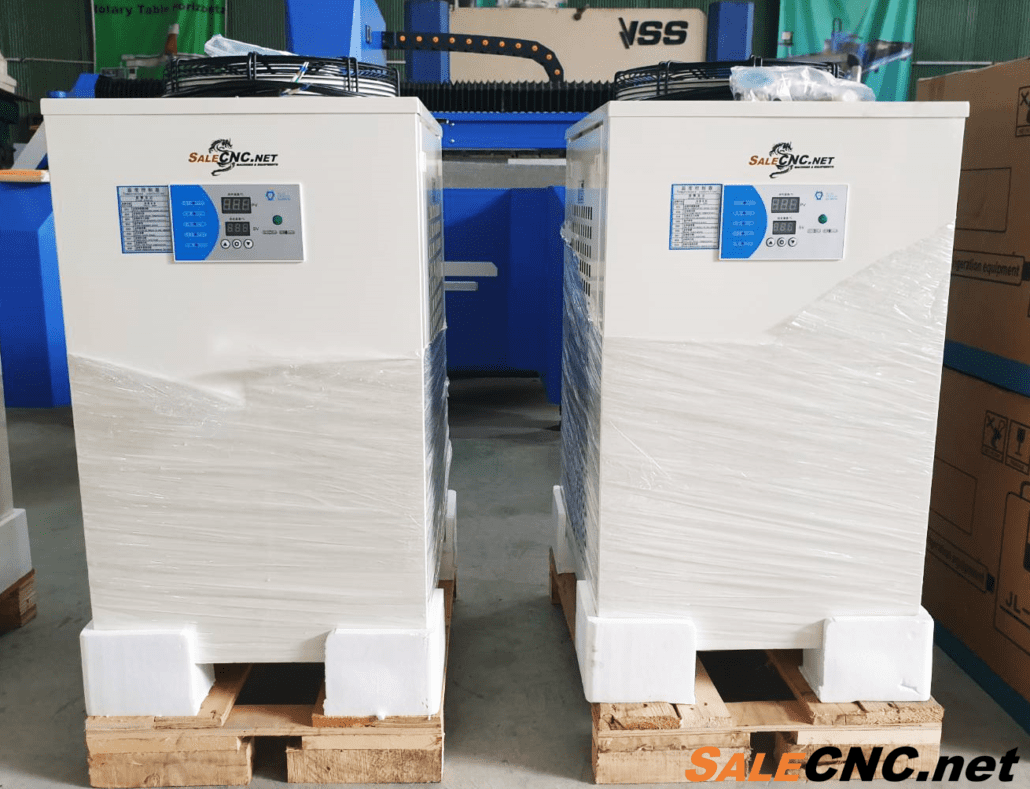
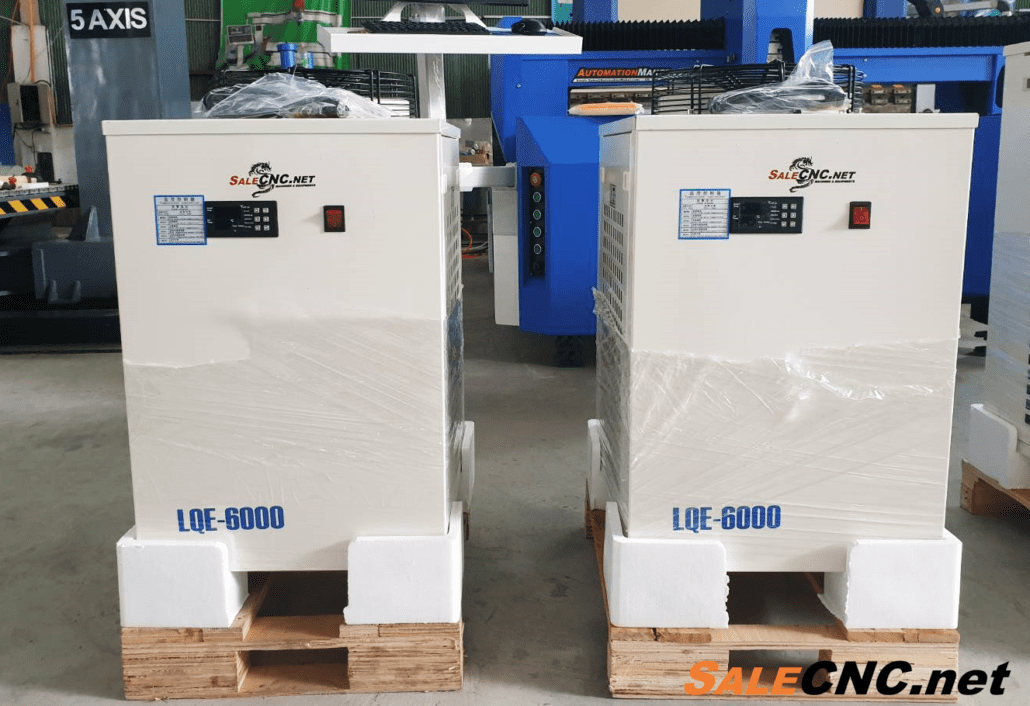
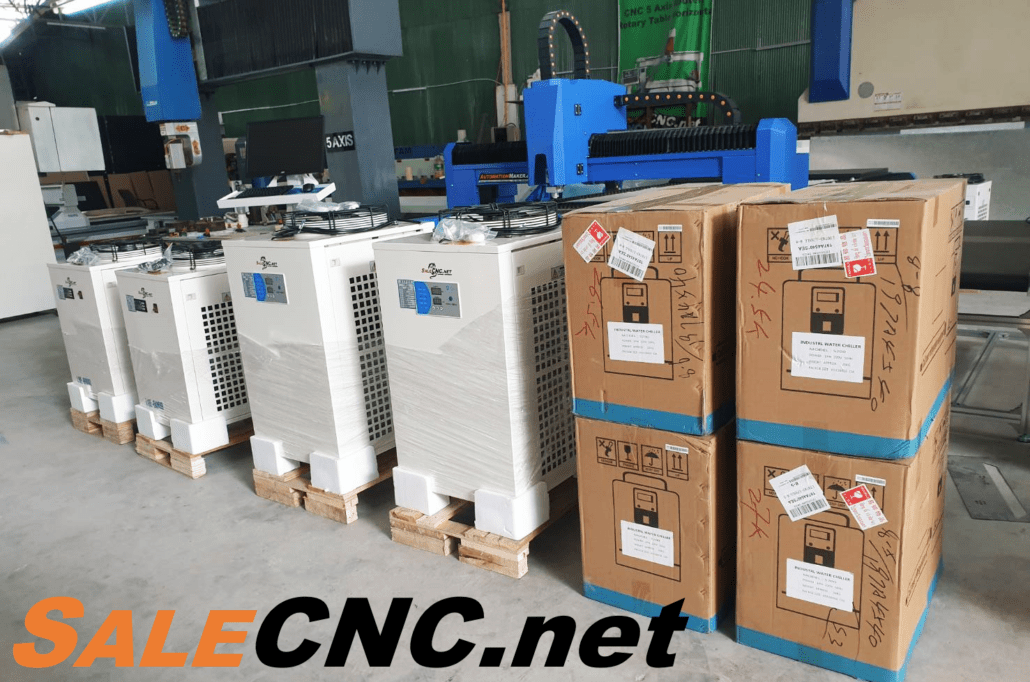
- Thailand is located in the tropical zone. It is hot all year round. In machine operation, electronic devices, and other industrial equipment, increased temperatures can cause internal overheating, leading to equipment malfunction, reduced efficiency, and potential fire hazards if heat accumulates. Excessive heat in machinery is analogous to fever in humans, impairing optimal performance. Therefore, maintaining machinery and mitigating high-temperature issues with a Chiller is crucial.
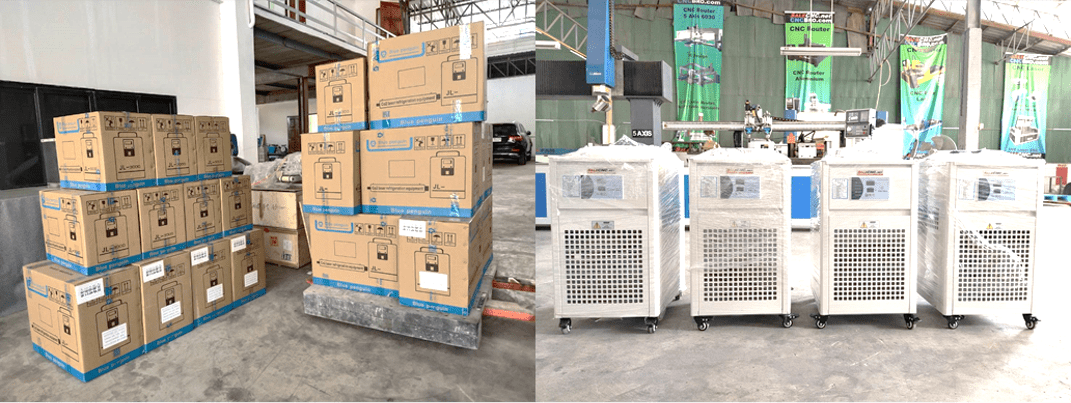
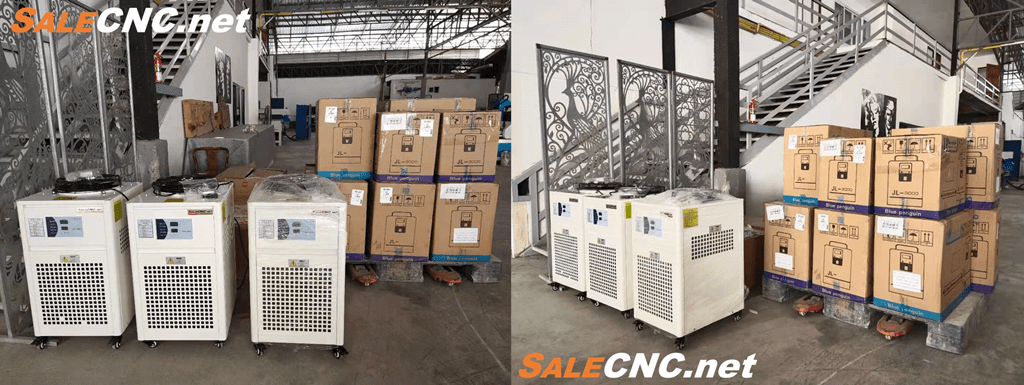
- A Chiller is a refrigeration unit designed for cooling, available in various sizes. Its primary function is to generate cold, reduce temperature, and dissipate heat, utilizing water as the medium for heat exchange. Chillers are widely employed in industrial settings to manage machinery heat, extend equipment lifespan, and maintain operational efficiency.
- Chiller is a refrigeration unit. Water cooler There are both large and small. It is the main function of cold production reduce the temperature and cooling.

- Utilizes water for heat exchange and dissipation from the cooling unit.
- Currently used in industrial plants to dissipate heat from machinery, ensuring longevity and maintaining operational efficiency.
- Applications include: Closed-loop systems, hydraulic injection molding machines, and CNC machinery.
- For example: Closed system pond, Hydraulic injection molding machine, CNC Engraving Cutting CO2, CNC Laser Engraving UV, CNC Router Milling, CNC Fiber Laser and other.
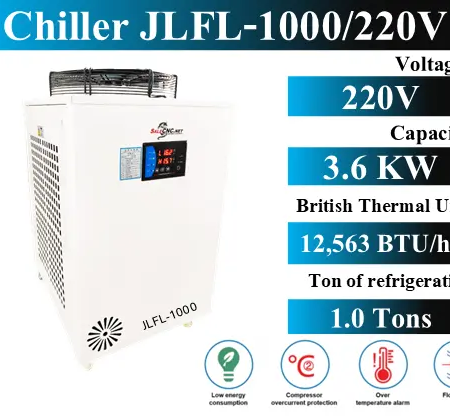
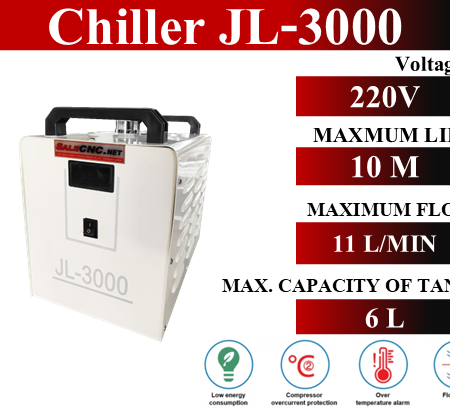
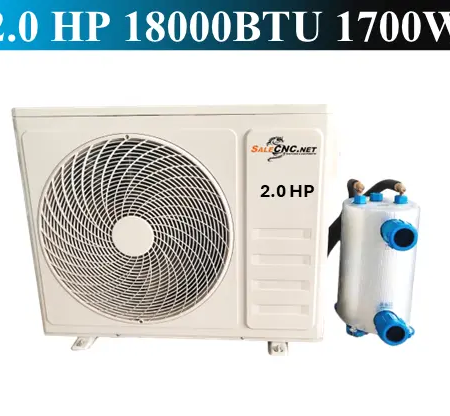
Chiller Models for Sale
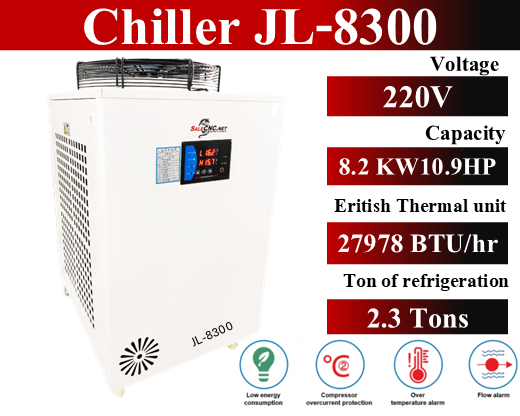
Provides cooling for CNC and Fiber Laser machines, ensuring optimal operation by preventing overheating during use.
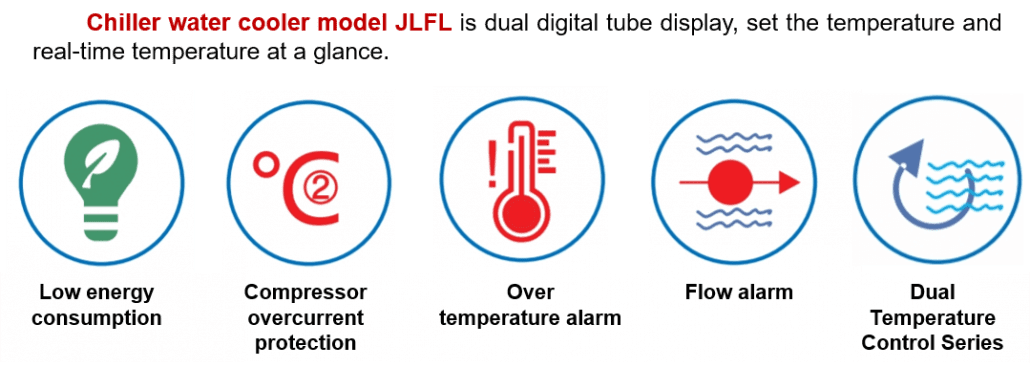
FEATURES
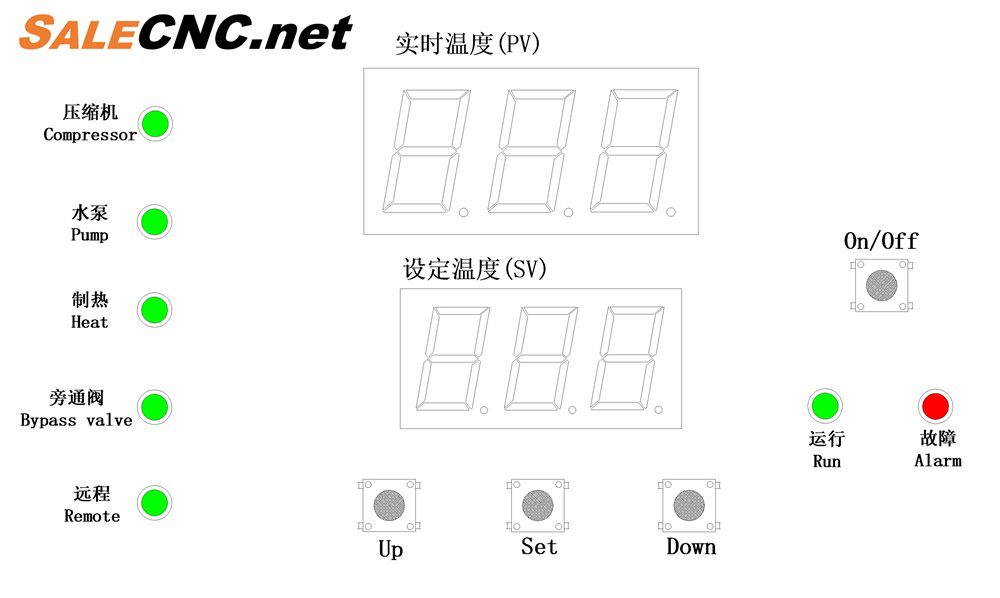
- Dual digital display for simultaneous viewing of setpoint and real-time temperatures.
- Full capacity refrigeration, micro-refrigeration, and heating control capabilities.
- High-precision temperature control with fluctuations maintained within ±0.5℃.
- Integrated sensor fault self-diagnosis and water flow alarm functions.
- Main board utilizes a highly integrated chip for robust anti-interference performance.
MOLD JL Series Specification Comparison
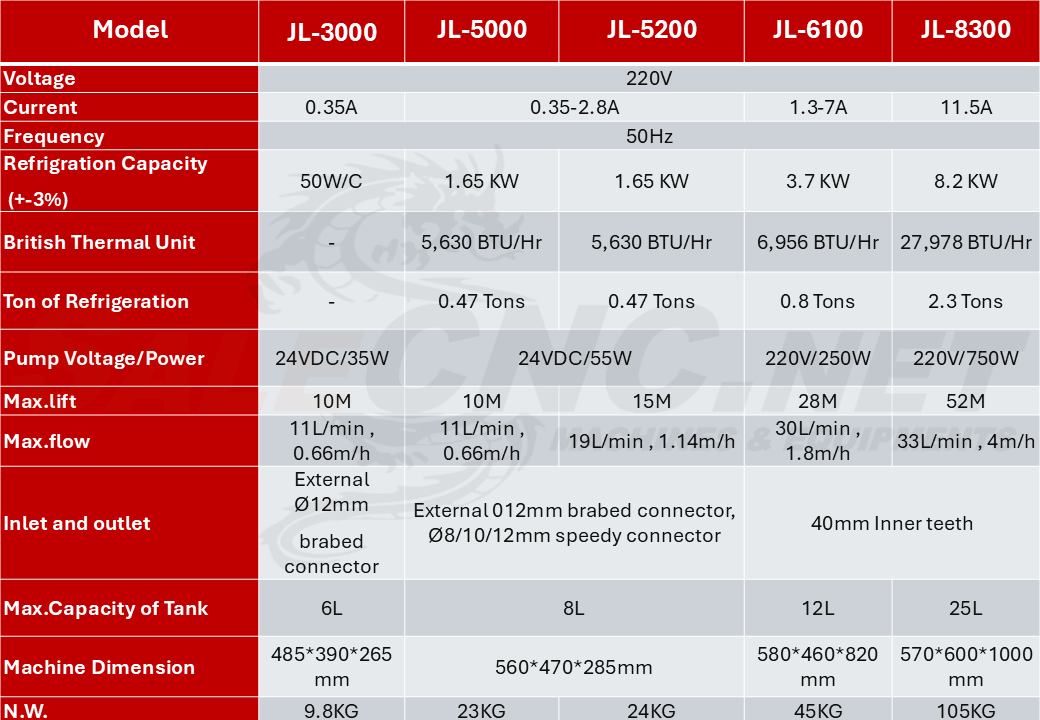
Machine Dimensions
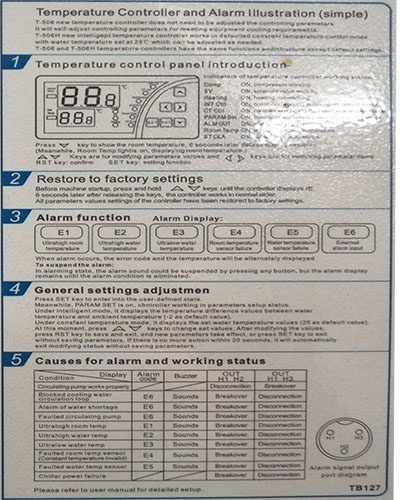
Alarm Indicator
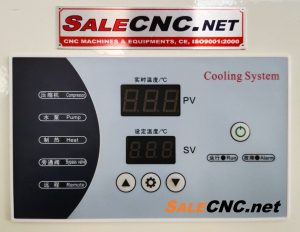
Controller Interface
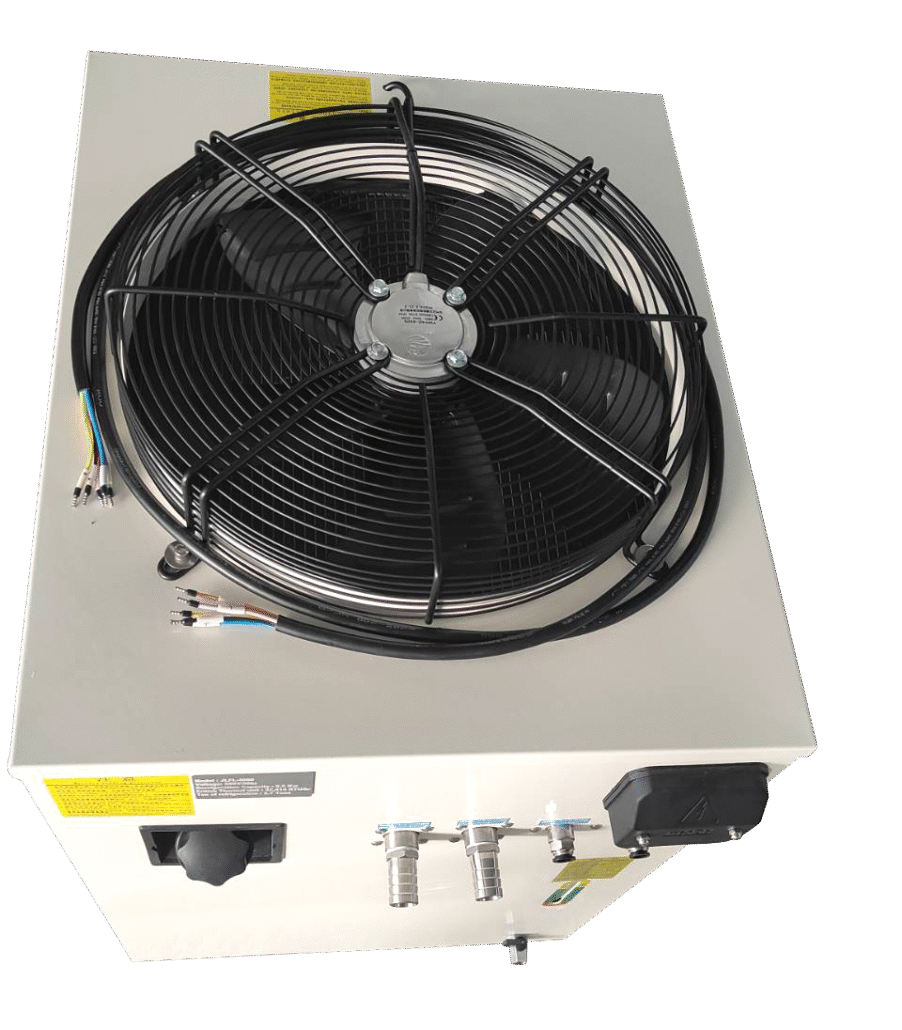
Top View
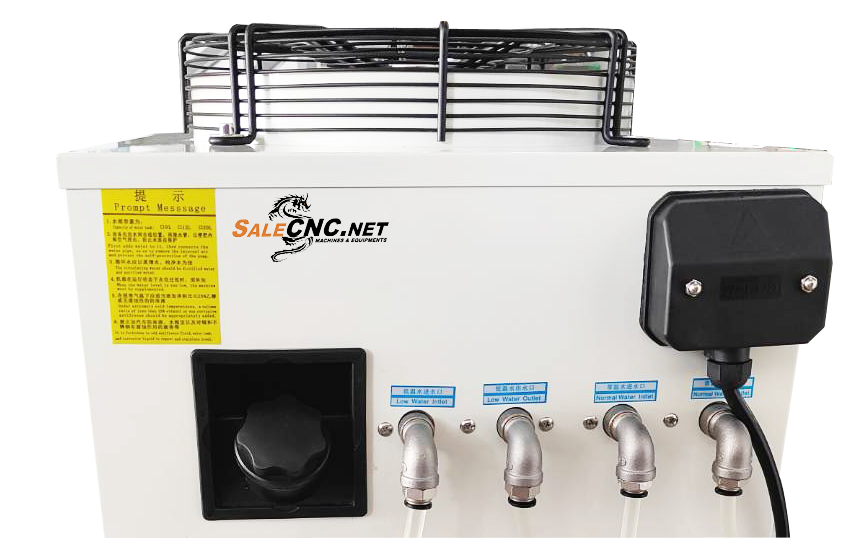
Inlet and Outlet Ports
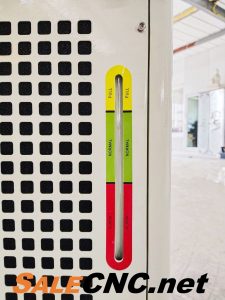
Internal Water Level Indicator
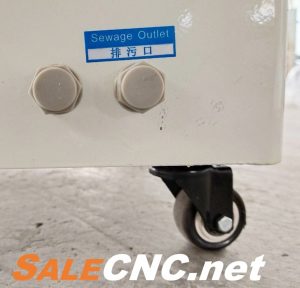
Drain Port
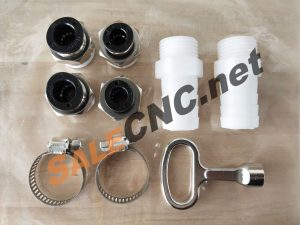
Included Accessories
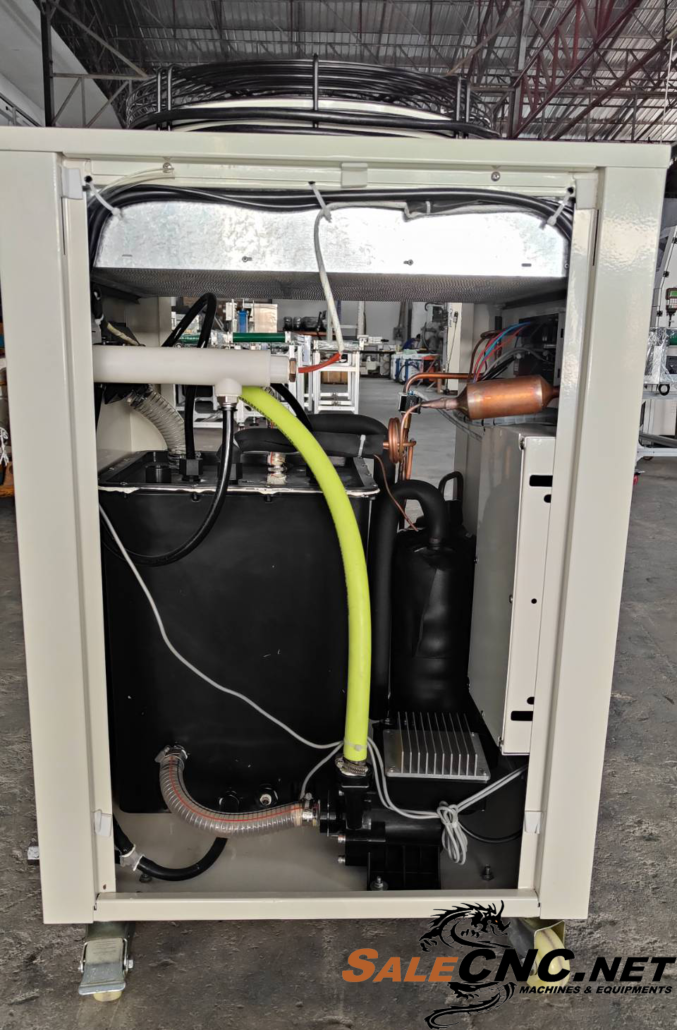
Side View
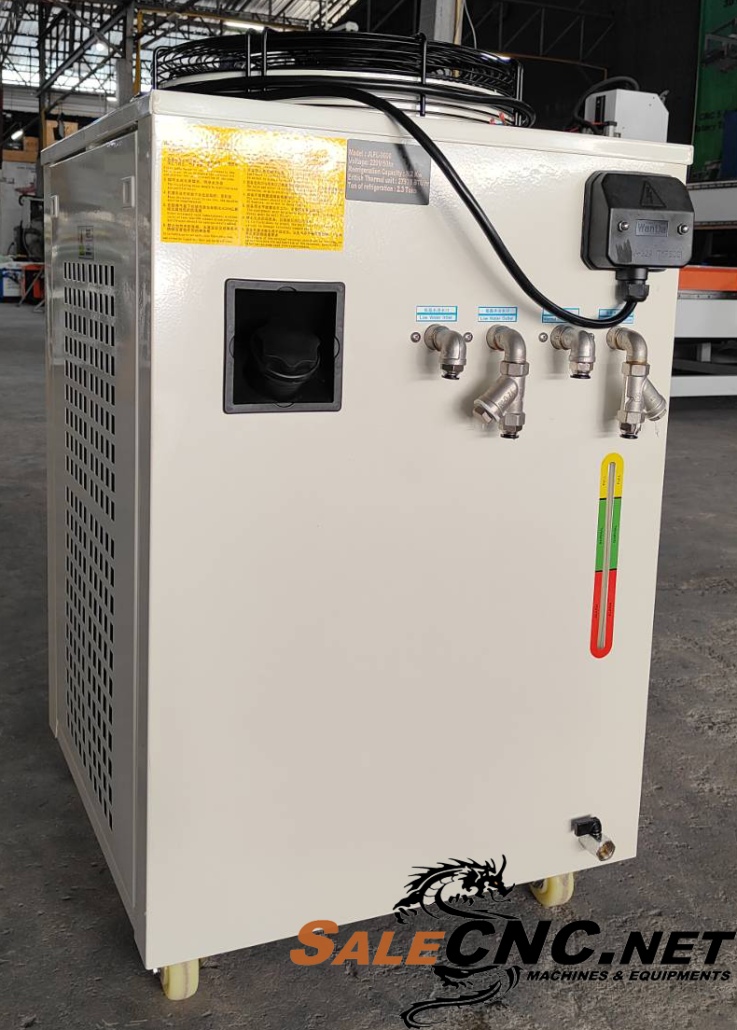
Rear View
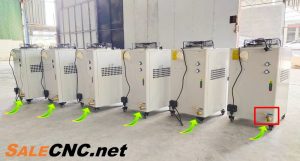
Optional drain port available in 19mm or 32mm internal diameter.
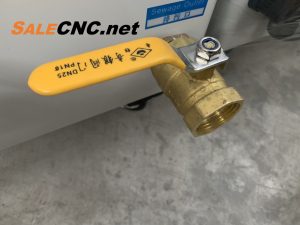
Drain Port with 32 mm Internal Diameter
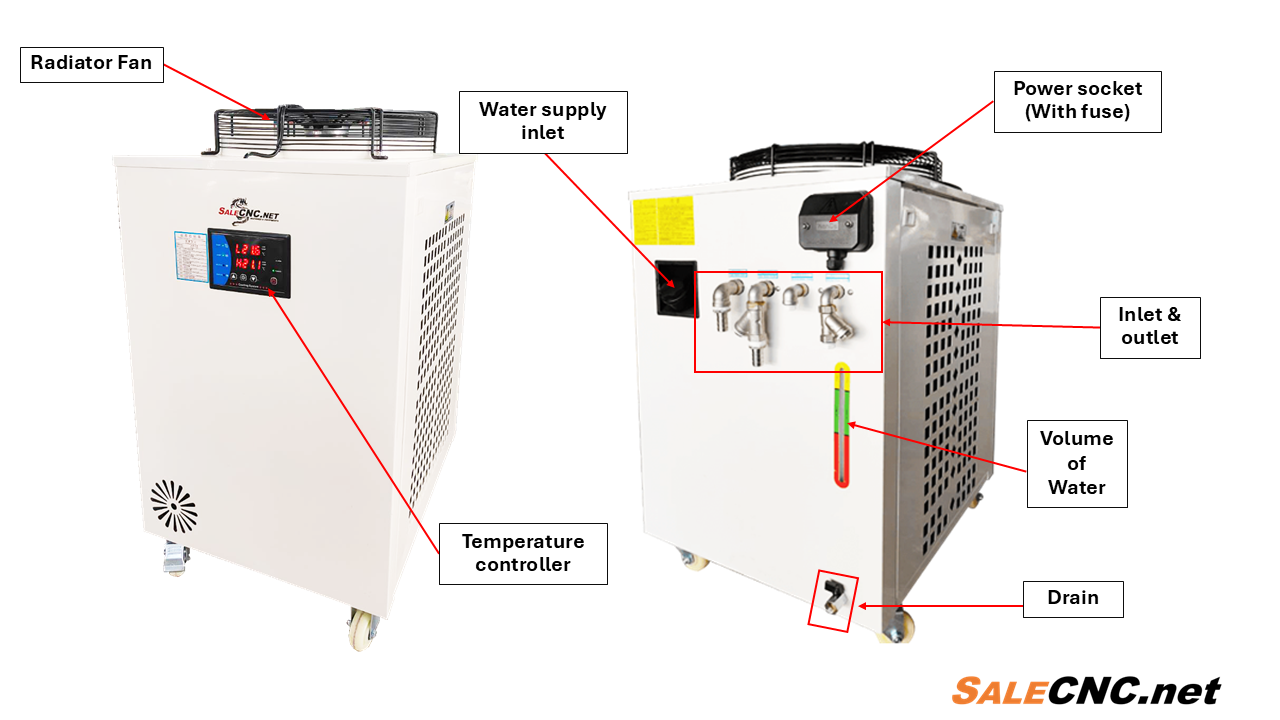
Machine Components
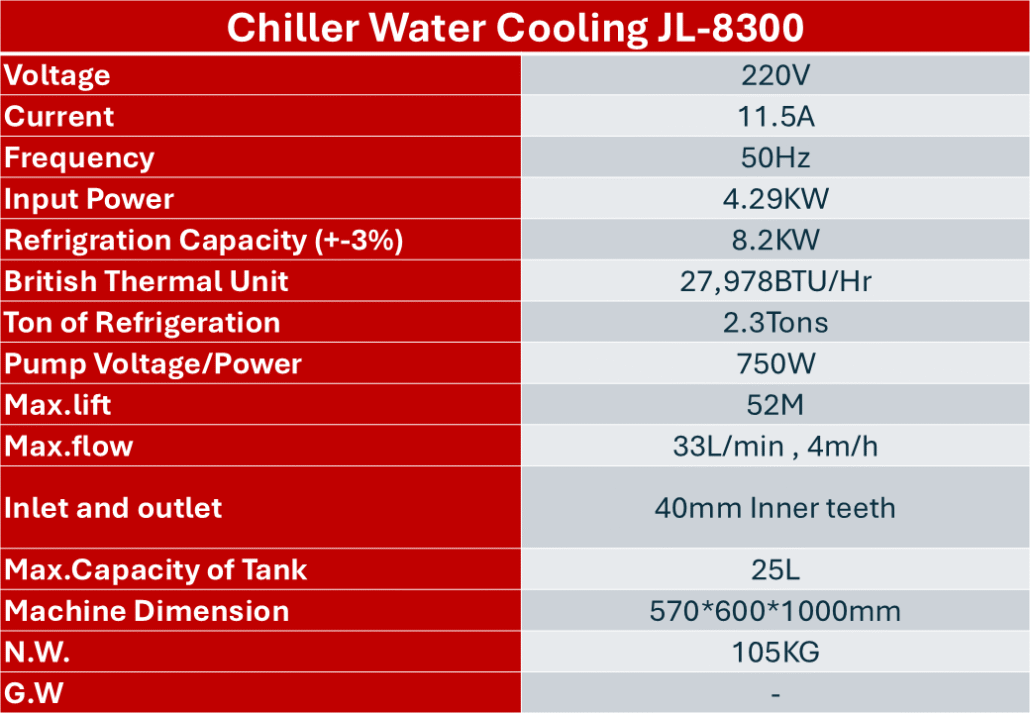
Technical Parameters
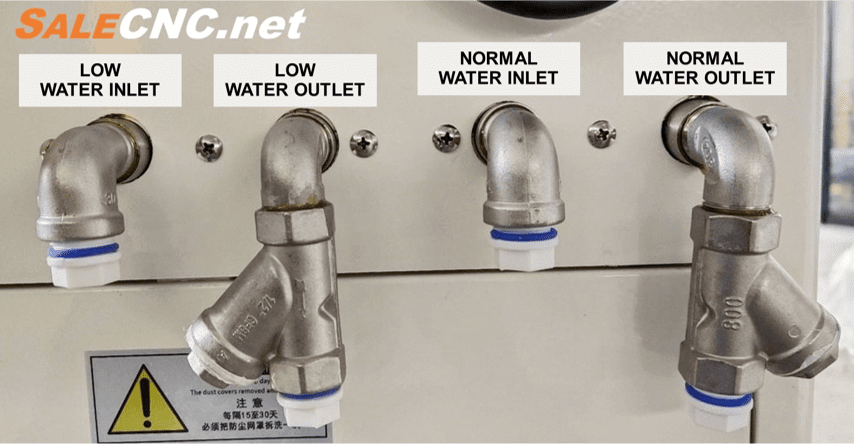
Inlet and Outlet Connections
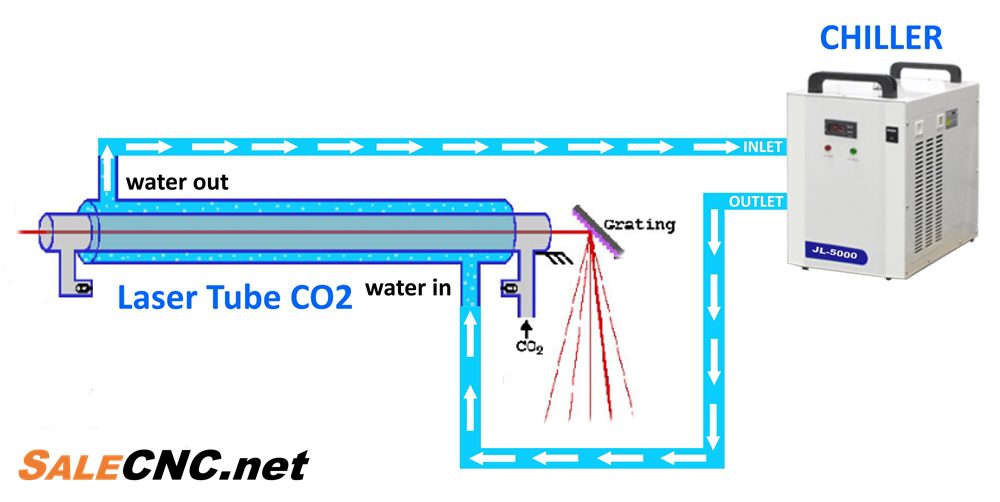
Operation Between Laser Tube CO2 and Chiller
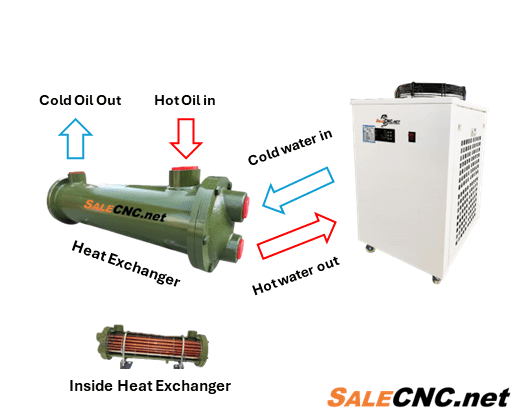
Optional Add-on: Heat Exchanger

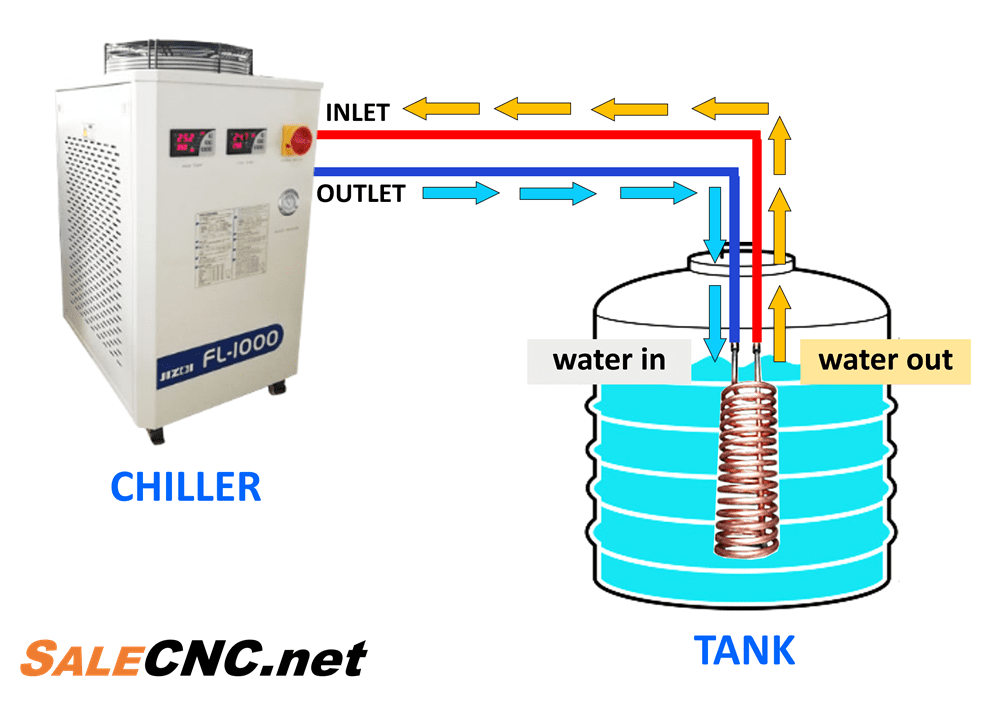
The Heat Exchanger, when connected to the Chiller and submerged in water, further reduces water temperature.
Price: 3,000 THB !!
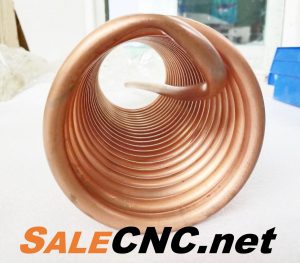
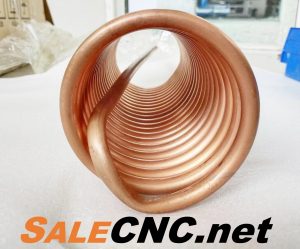


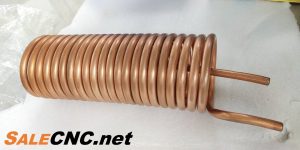
Heat Exchanger Installation with Chiller Unit

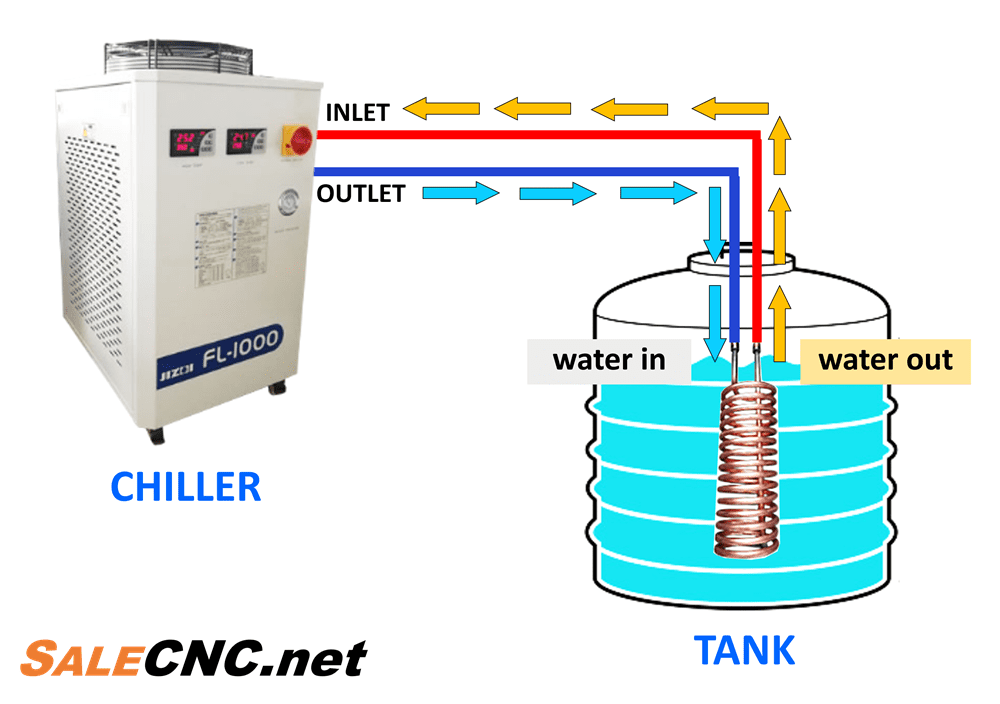
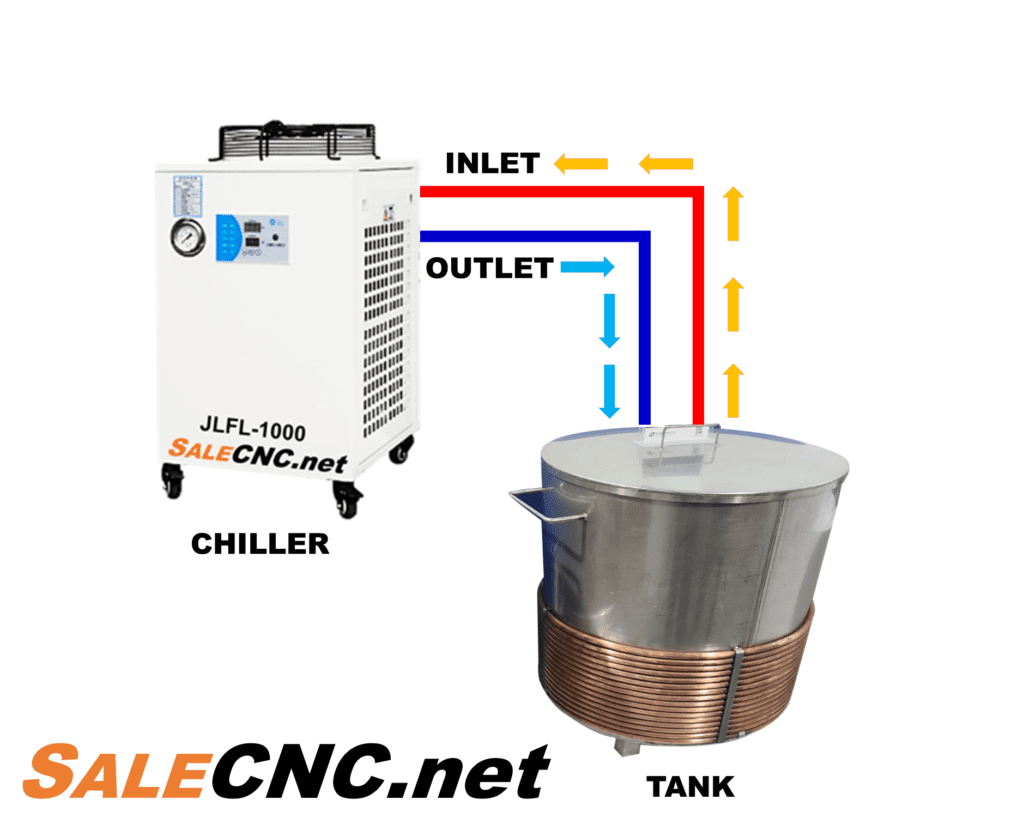
Heat Exchanger: An Optional Accessory for Chillers to Achieve Lower Water Temperatures | SALECNC.net
Chiller Water Cooling VS Cooling Tower
Cooling Towers are predominantly used in industries such as Hydraulic Injection Molding. However, they present significant disadvantages, including large size, open-system operation that is difficult to maintain, and susceptibility to dust and sediment ingress, negatively impacting performance and lifespan. Consequently, industrial facilities increasingly favor Chiller Water Cooling Systems due to their compact size, space-saving design, closed-system operation that prevents contaminants, and extended service life.
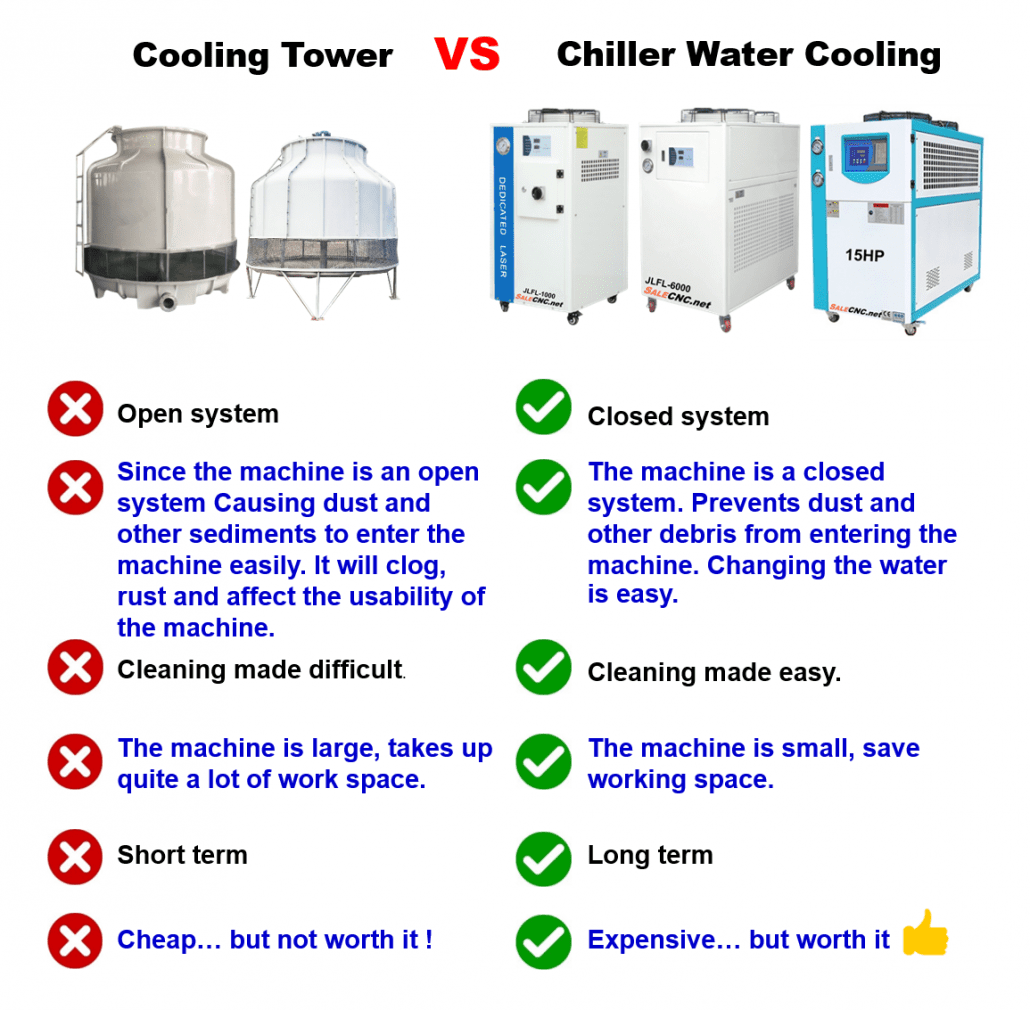
| Cooling Tower | Chiller Water Cooling |
|---|---|
| ❌ Open system
❌ Open system operation |
✅ Closed system
✅ Closed system operation |
| ❌ Open system design allows easy ingress of dust and sediment, leading to clogging, corrosion, and impaired functionality. | ✅ Closed system design prevents dust and sediment contamination. Facilitates easy water changes. |
| ❌ Difficult maintenance and cleaning procedures. | ✅ Simplified maintenance and cleaning. |
| ❌ Large footprint, requiring substantial operational space. | ✅ Compact size, optimizing workspace utilization. |
| ❌ Shorter operational lifespan. | ✅ Extended operational lifespan. |
| ❌ Lower initial cost, but higher long-term costs due to maintenance, repairs, and reduced service life, leading to increased future expenditures. | ✅ Higher initial cost, but superior long-term value through reduced maintenance, simplified upkeep, and cost savings over time. |
 Add Line: @123wotsb Fern (sales engineer)
  Add Line: @sales Chompoo (sales engineer)
 salecnc.net