














 เลือกดูสินค้าทั้งหมด
คำอธิบาย
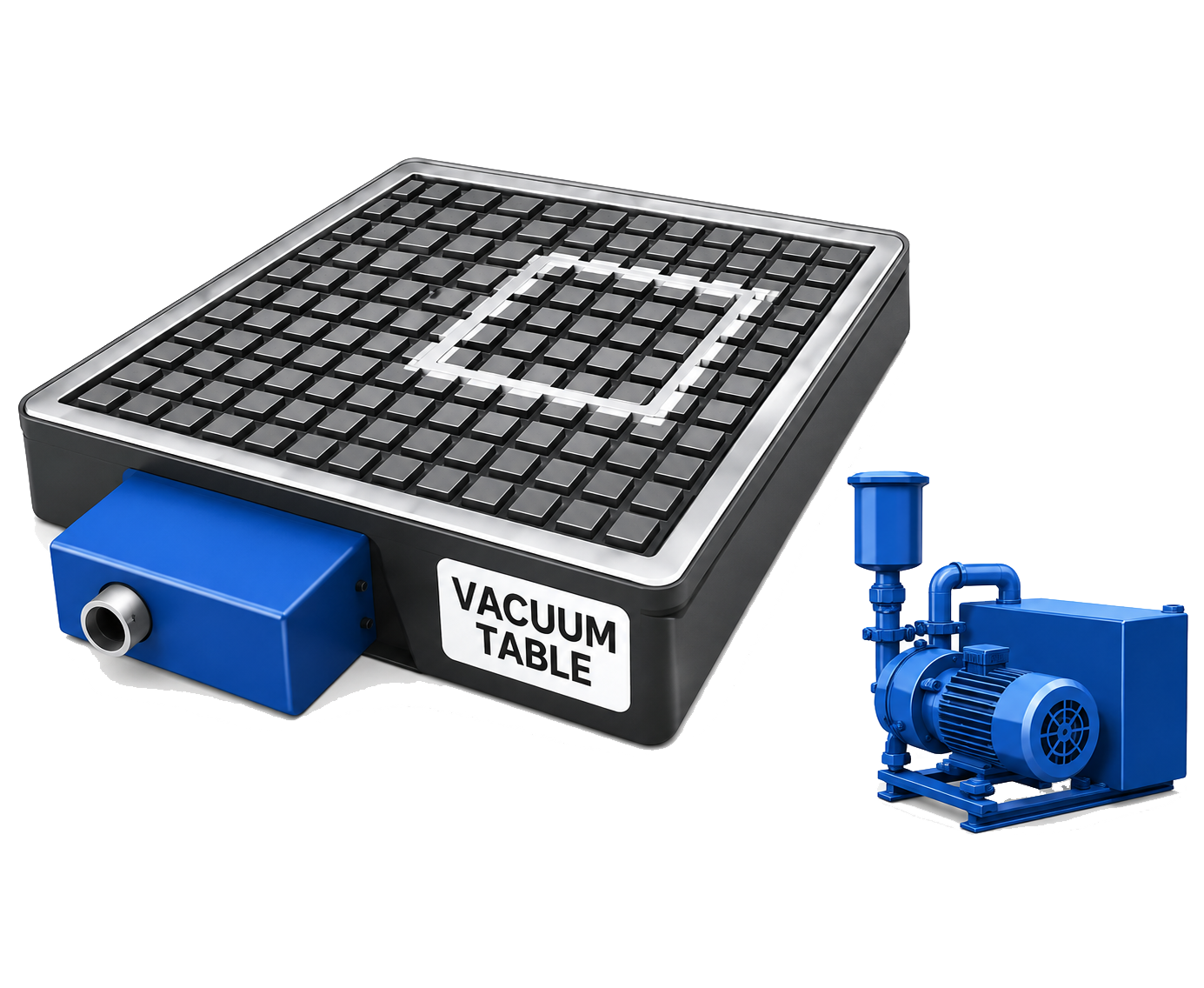
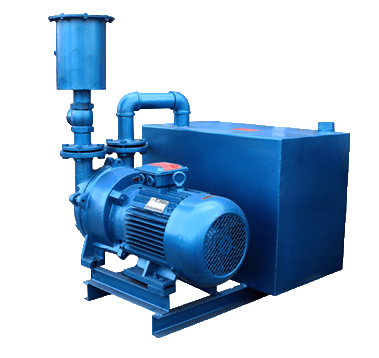
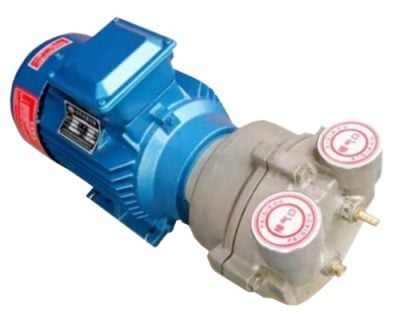
Sell Vacuum pump 11.0KW, 380V 3 phase, option: 220V 3phase


Approximately:
11KW = 6.66 cubic meters per minute.
7.5KW= 4.66 cubic meter per minute


How this vacuum pump works
The pump uses water as a sealing ring inside the pump chamber.
Inside the pump:
- The impeller spins fast
- Water forms a rotating ring
- Empty spaces between blades become vacuum chambers
- Air gets sucked from the CNC table
- Air exits through exhaust
- Water stays circulating
Because of the water seal:
- It can create continuous vacuum
- Runs cooler than dry pumps
- Good for dusty woodworking environments
Simple working flow for CNC router
1. Fill water into tank
As your image says:
- Fill water first
- Wait around 10 minutes first use
- Water must reach seal area
If no water:
- Seal can burn
- Vacuum becomes weak
- Pump damaged
2. Connect hose to CNC vacuum table
Like this:
MDF board
↓
Spoilboard
↓
Vacuum table channels
↓
Vacuum hose
↓
Vacuum pump
The hose “A” in your image goes to:
- vacuum manifold
- vacuum table port
How vacuum holds MDF/wood
The pump does NOT “suck” strongly like a household vacuum cleaner.
Instead:
- It removes air under the board
- Atmospheric pressure pushes material downward
Air pressure from atmosphere:
F=P×AF = P \times A
Meaning:
- Larger area = stronger holding force
This is why:
- Large MDF sheets hold very strongly
- Small parts may move easily
Why MDF works very well
MDF is slightly porous.
Air can pass slowly through MDF:
- Vacuum spreads evenly
- Whole sheet sticks to table
This is why CNC router shops usually use:
- MDF spoilboard
- Vacuum grooves/channels underneath
Typical CNC vacuum table structure
Vacuum table layers
Top workpiece
↓
MDF spoilboard
↓
Grooved vacuum table
↓
Vacuum zones
↓
Pump
Important: zoning system
Professional CNC routers divide table into zones.
Example:
- Zone 1
- Zone 2
- Zone 3
- Zone 4
Only open the zone being used.
Otherwise:
- Vacuum leaks
- Holding force weakens
Why your pump has water tank
This type pump:
- recycles water
- separates water from air
- cools the pump
Dirty water should be drained regularly.
Especially MDF dust:
- mixes into water
- creates sludge
- can damage seals
Your image point #4 is drain valve.
Main advantages for wood CNC
Good points
- Strong continuous vacuum
- Good for full MDF sheets
- Handles dust better
- Lower overheating risk
- Industrial durability
Weak points
- Uses electricity continuously
- Noisy
- Uses water
- Needs maintenance
- Small parts may still require tabs/screws
Very important for small pieces
Vacuum works best for:
- full sheets
- cabinet panels
- doors
- acrylic sheets
For tiny parts:
- vacuum area too small
- holding force drops
Then users add:
- tabs
- pods
- clamps
- double-sided tape
Typical vacuum level
Wood CNC vacuum usually:
- not extremely high vacuum
- but high airflow
Because MDF leaks air naturally.
Typical:
- High airflow (CFM/m³h)
- Medium vacuum pressure
For wood CNC:
- airflow is often more important than maximum vacuum pressure.
Common setup for 4×8 CNC router
Typical:
- 5.5kW–15kW liquid ring vacuum pump
- MDF spoilboard
- Zoned vacuum table
Large industrial machines:
- 2 pumps
- 3 pumps
- regenerative blower + liquid ring combo
Most common beginner mistake
Biggest mistake:
- no vacuum leak control
If spoilboard surface not flat:
- air leaks everywhere
- vacuum becomes weak
Usually shops:
- surface skim MDF spoilboard regularly
Why wait 10 minutes after filling water
Your image note is correct.
Because:
- seal area must absorb water
- mechanical seal needs lubrication first
If immediately start dry:
- seal overheats
- seal cracks
- leakage occurs
Summary
This pump:
- Uses water ring to create vacuum
- Removes air from under MDF
- Atmospheric pressure clamps material down
- Works best with porous MDF spoilboard
- Needs water + good sealing + zoning
 salecnc.net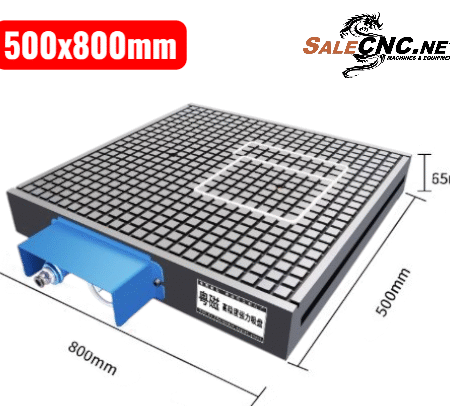
 salecnc.net


