









 Back to Feeder Machines
Description
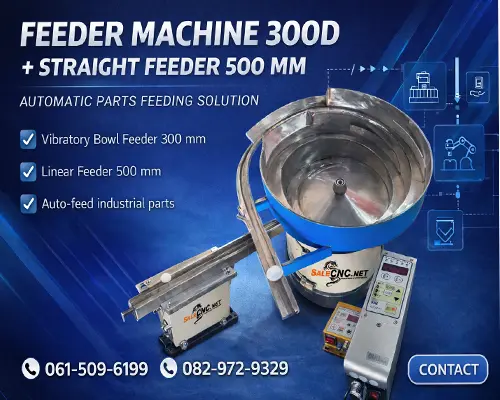
Feeder Machine 300
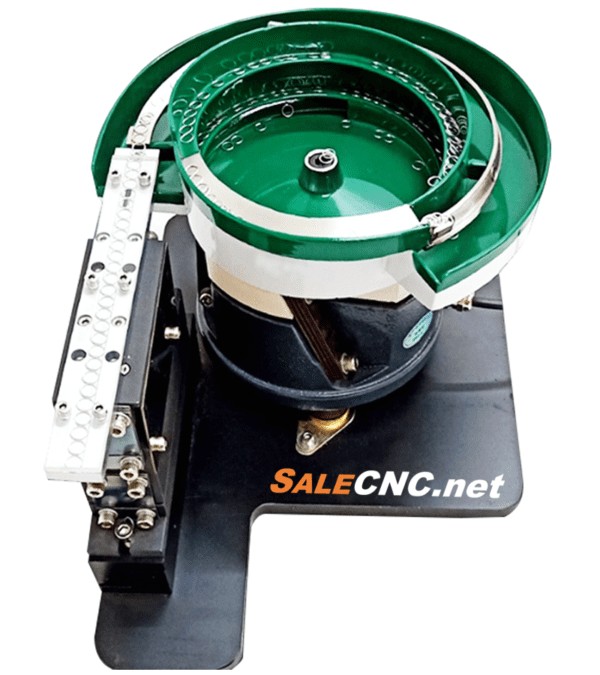
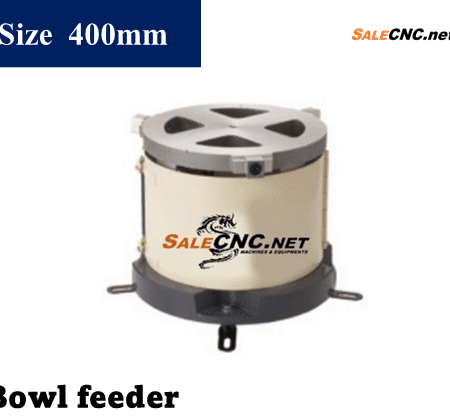
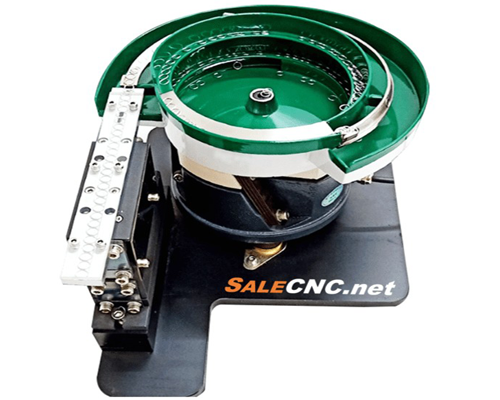
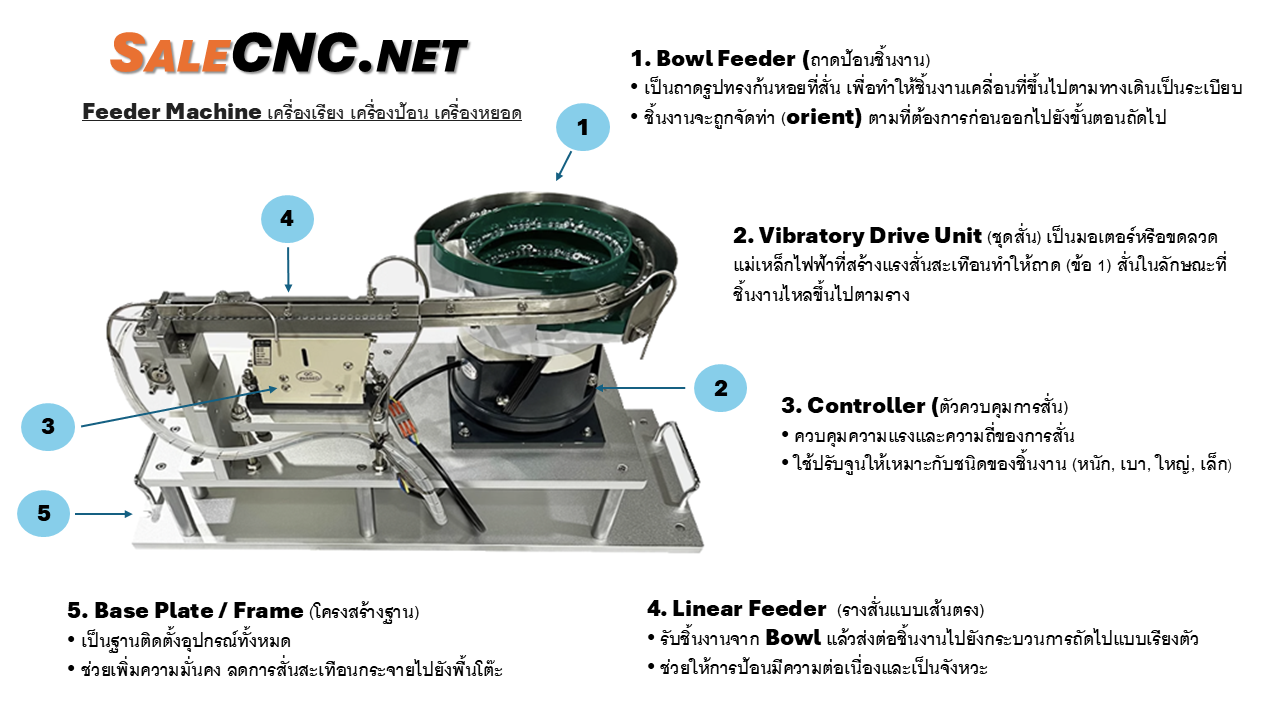
The Feeder Machine 300 is an automated feeding, vibrating, and dosing system designed for industrial production lines. It precisely and continuously feeds screws and small components.
https://youtu.be/gAJhiao3ki0?si=1z1x8qX1IvdQjCh7
https://www.youtube.com/watch?v=NQlNGeEJFJE
https://youtube.com/shorts/JqUEN3rIDZ8?feature=share
Feeder Machine Operating Principle
The Feeder Machine operates by conveying or controlling the feed of specified materials. It can function in fully automatic or semi-automatic modes, depending on the machine type.
General Feeder Machine Operating Process
- Material Loading: Raw materials are loaded into the machine (e.g., into a bin, hopper, or storage container).
- Feed Rate Control: The machine regulates the feed rate to match subsequent processes. Sensors may be employed to monitor levels and weight.
- Material Conveyance to Destination: Various methods are used, including vibratory, screw, belt, or rotary mechanisms, to convey materials. Direction and speed of conveyance are controlled.
- Material Transfer to Production Process: Once the specified quantity is reached, materials are discharged to the next machine or process, such as cutting, printing, packaging, or forming equipment.
Examples of Feeder Machine Types
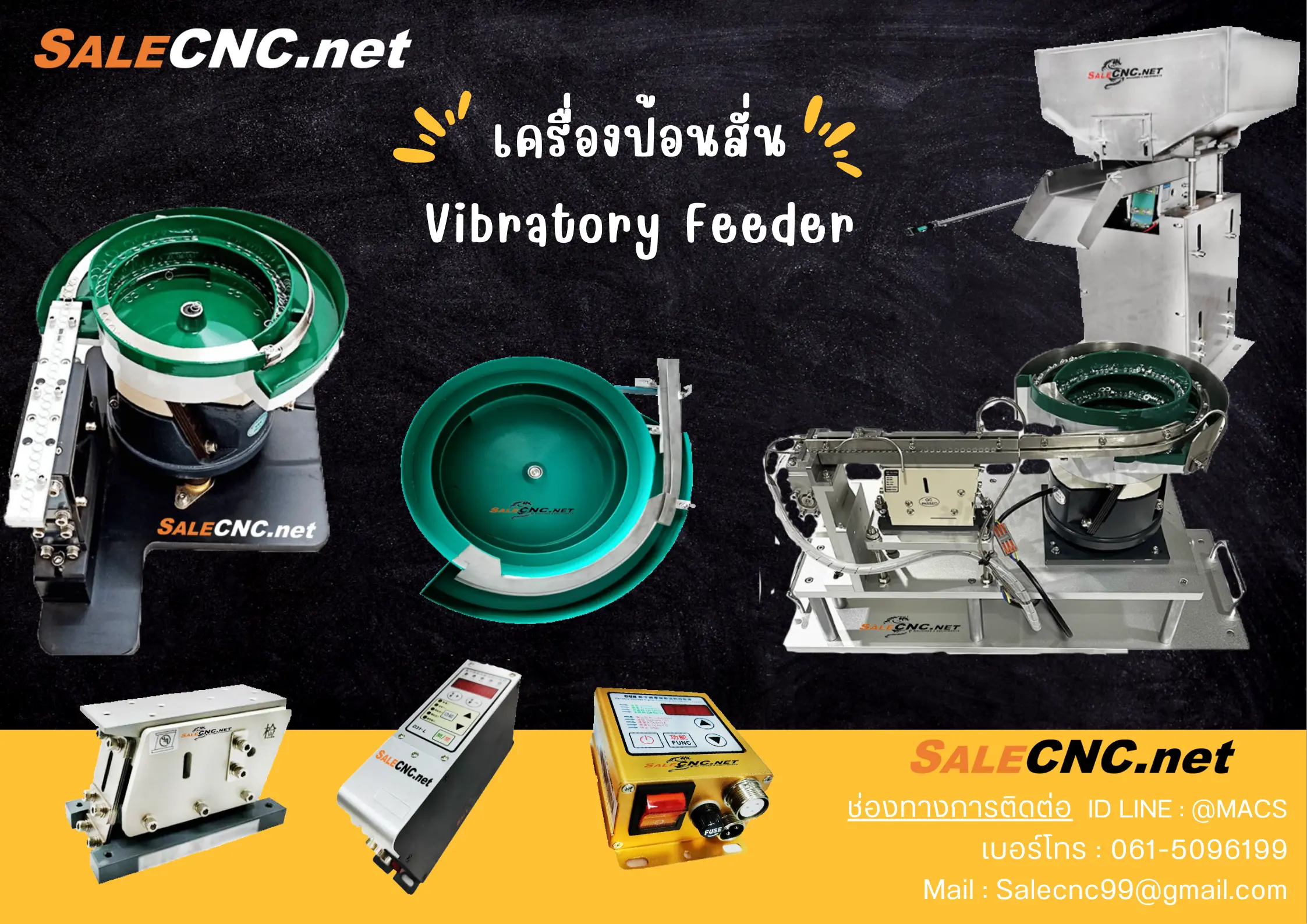
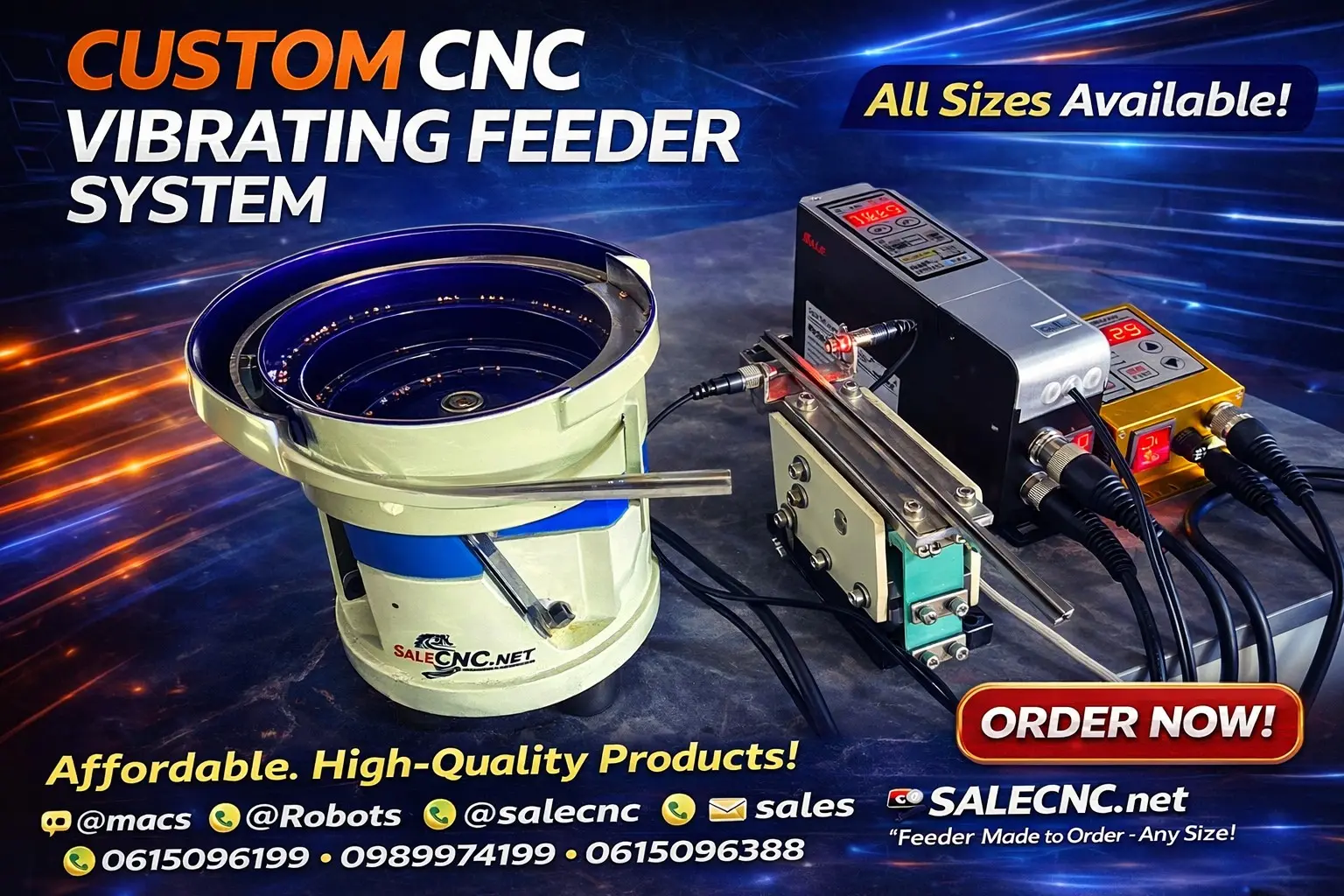
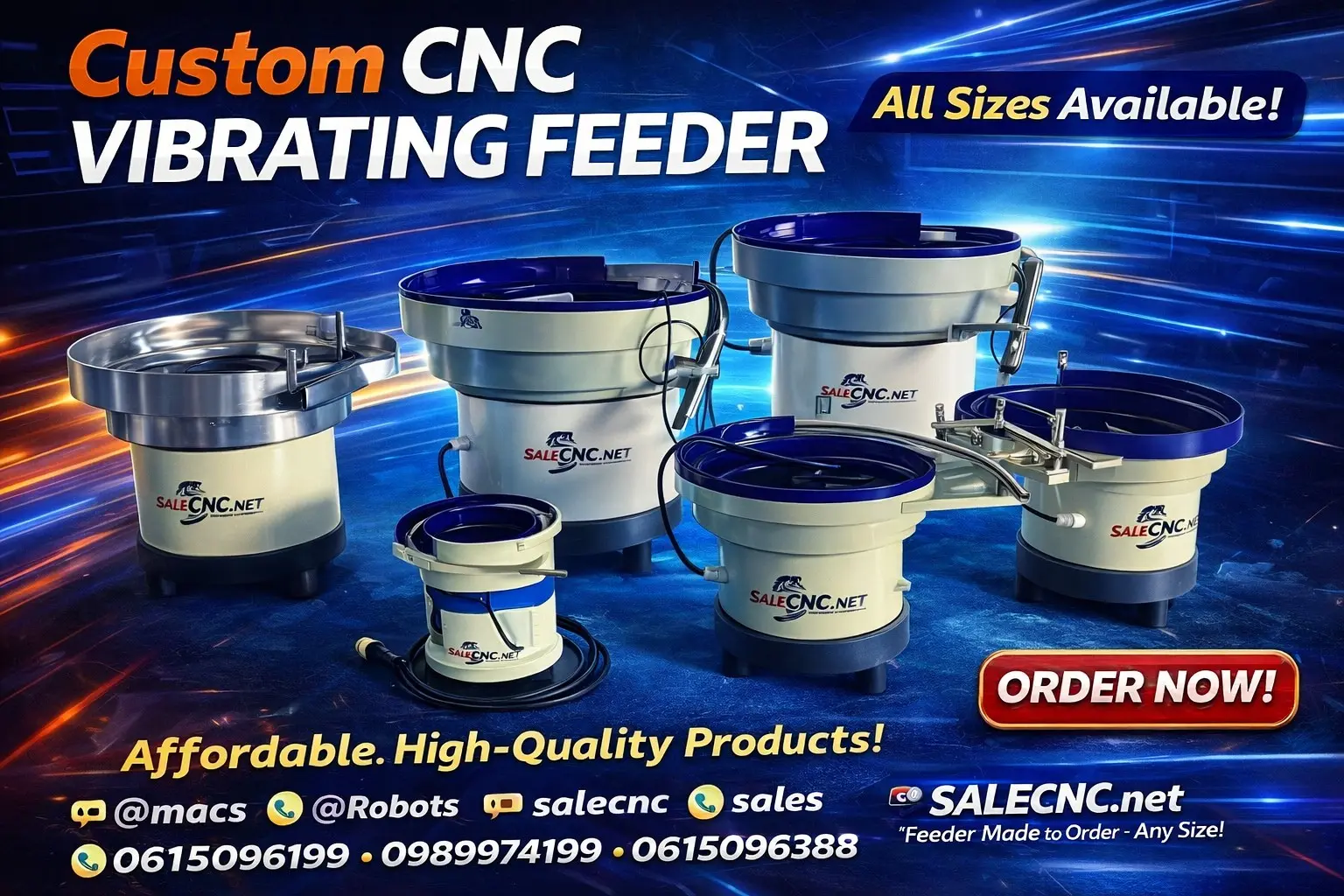
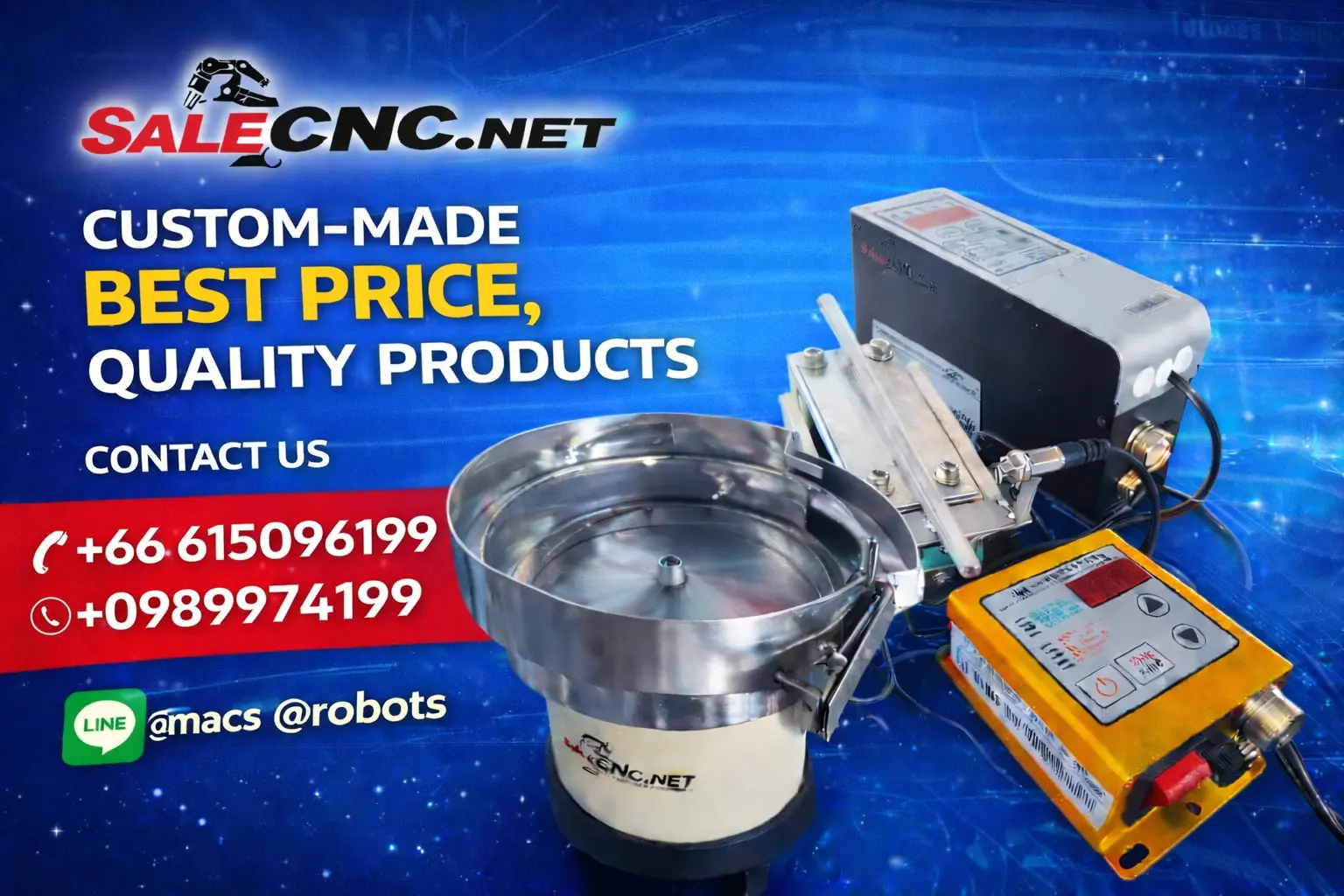
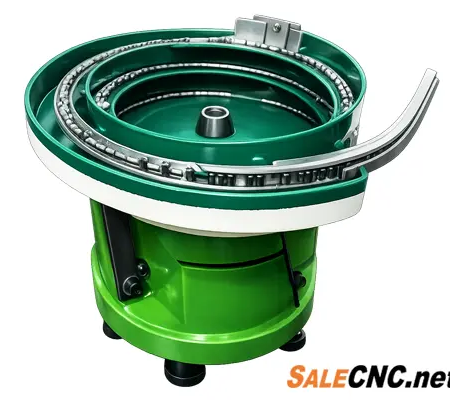
✅ Vibratory Feeder: Utilizes vibration to move materials forward. Suitable for plastic pellets, chemical powders, and small metal parts.
- Employs vibration to advance materials.
- Ideal for plastic pellets, chemical powders, and small metal components.
✅ Belt Feeder: Uses a moving belt to transport materials. Commonly used in mining, cement, and food industries.
- Employs a conveyor belt for material transport.
- Applications in mining, cement, and food industries.
✅ Screw Feeder: Uses a rotating screw to precisely feed materials. Suitable for powdered solids like flour, cement, and animal feed.
- Features a rotating screw for precise material feeding.
- Recommended for powdered solids such as flour, cement, and animal feed.
✅ Rotary Feeder: Uses rotating blades to control flow rate. Used in systems requiring pressure, such as cement plants.
- Utilizes rotating vanes to regulate flow rate.
- Applied in material feeding systems requiring pressure, like cement plants.
Advantages of Feeder Machines
✔ Reduces material feeding errors.
✔ Provides more precise feed rates than manual labor.
✔ Enhances production efficiency and minimizes waste.
Please specify if you already have a Feeder Machine or are looking to select one.