









 Back to Feeder Machines
Description
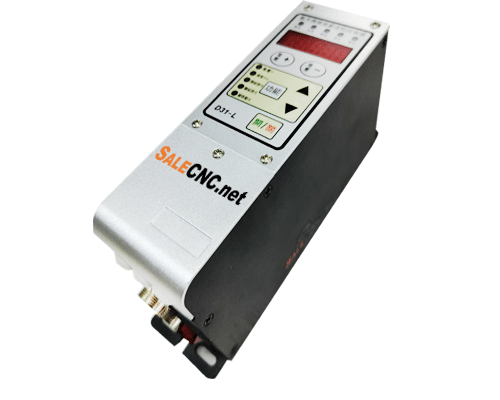
SDVC31-M Digital Variable Frequency Controller
Input voltage : 85V-260V
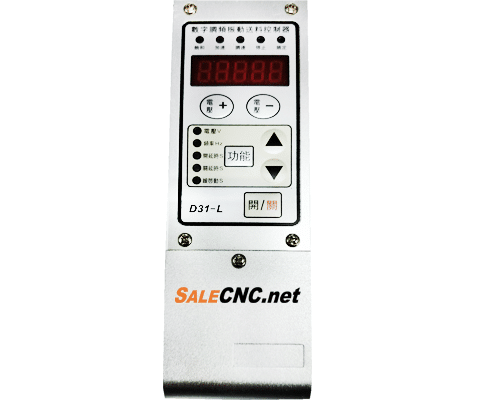
The SDVC31-M Vibratory Controller is engineered to manage the operation of vibratory machines and Bowl Feeder systems in automated production lines. Utilizing a digital control system, it ensures precise and stable adjustment of vibration intensity and frequency.
This controller model supports an input voltage range of 85V–260V AC, enabling compatibility with diverse electrical systems and making it ideal for general industrial applications. The digital display facilitates user-friendly configuration and operational status monitoring.
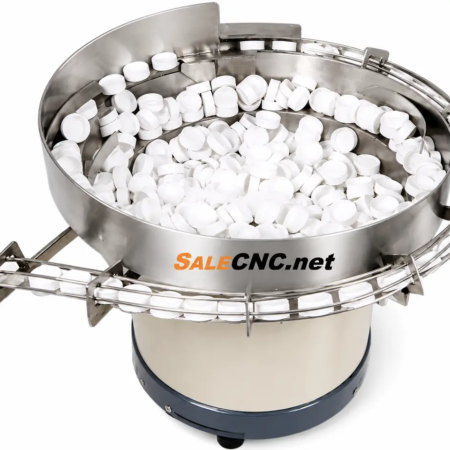
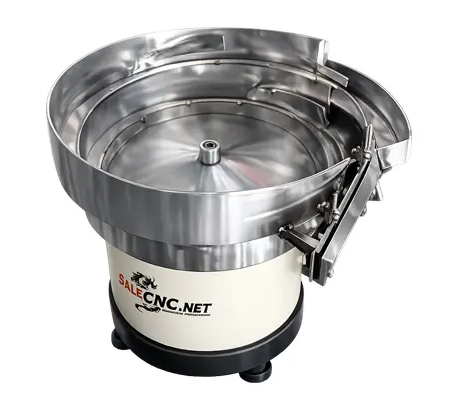
The SDVC31-M Vibratory Controller is well-suited for integration with Vibratory Bowl Feeders, Linear Feeders, and automatic parts orienting machines, contributing to consistent workpiece feeding, reducing jamming, and enhancing overall production line efficiency.
Constructed for durability and equipped with a high-precision control system, this controller is designed for continuous industrial operation, minimizing manual labor requirements and ensuring effective integration into automation systems.
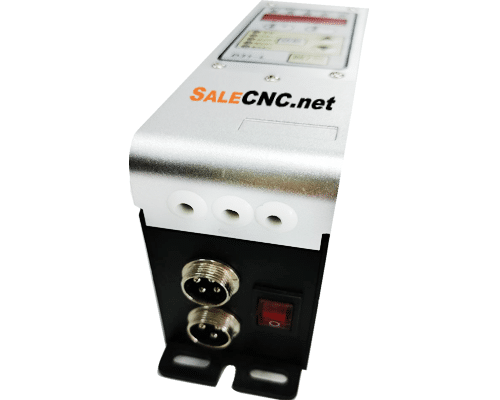
SDVC31-M is a controller designed for vibratory feeder systems, offering adjustable frequency settings. Its primary functions include:
- Automatic Frequency Adjustment: The controller automatically adjusts the vibration frequency to match the resonant frequency of the feeder, resulting in quieter operation and increased energy efficiency.
- Automatic Voltage Regulation: The digital voltage control function mitigates speed variations in feeding caused by fluctuations in the main input voltage.
- Soft Start Capability: This feature prevents abrupt mechanical shocks by gradually ramping up the voltage from zero to the preset level.
- Remote Speed Control: Output voltage can be adjusted remotely using an external potentiometer or a DC 1-5V voltage signal.
- Overcurrent and Overtemperature Protection: The system automatically shuts down in the event of overcurrent or overheating to prevent equipment damage.
Furthermore, it supports integration with sensors, such as NPN switch sensors, for automated control functions, like stopping the machine when material levels are full or empty, making it highly suitable for industrial automation applications.