










 Back to Standard Belt Conveyors
Description
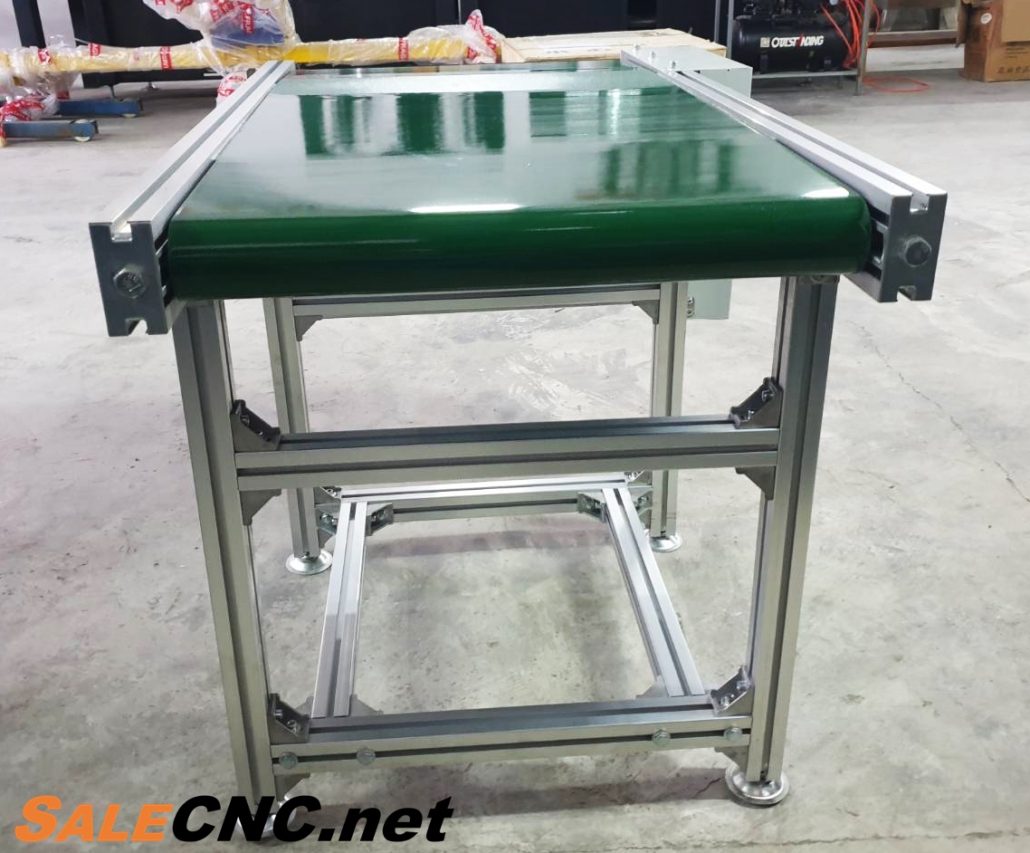
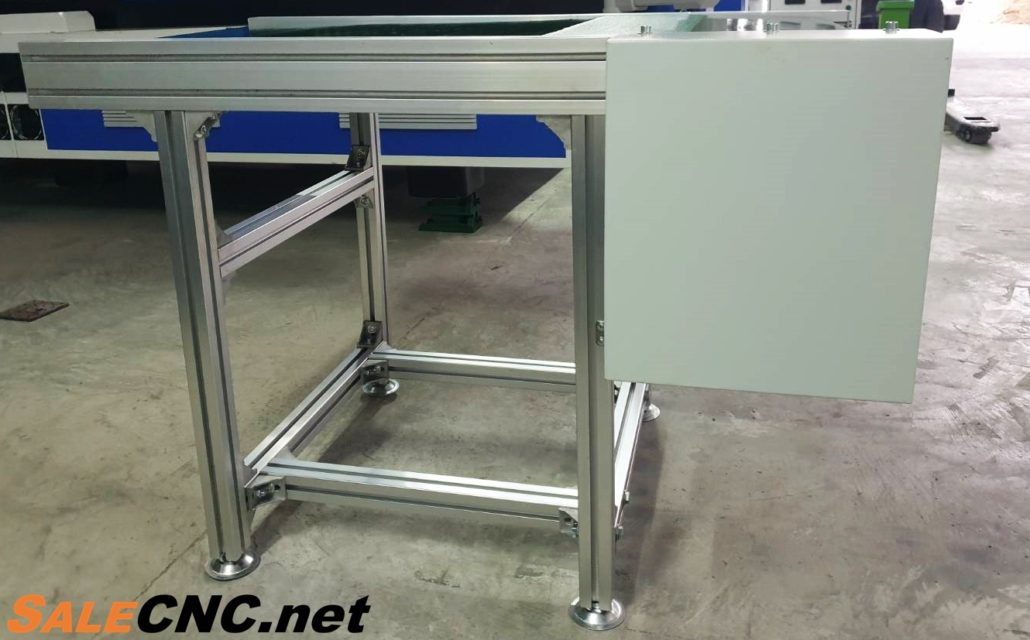
Conveyor Belt PVC
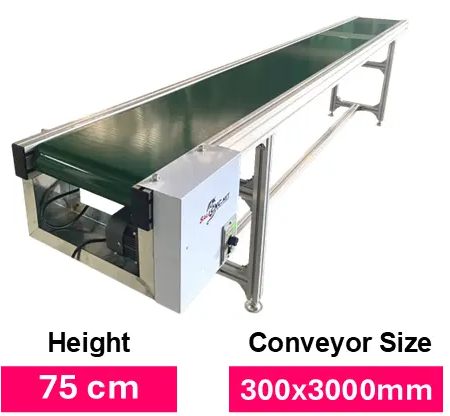
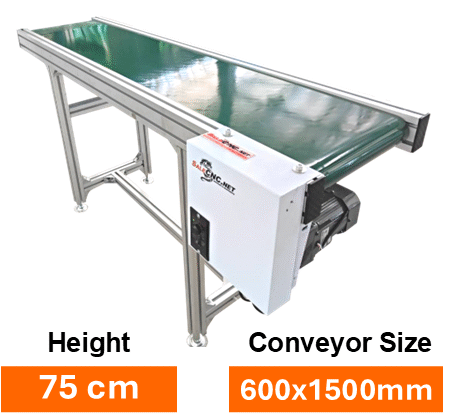
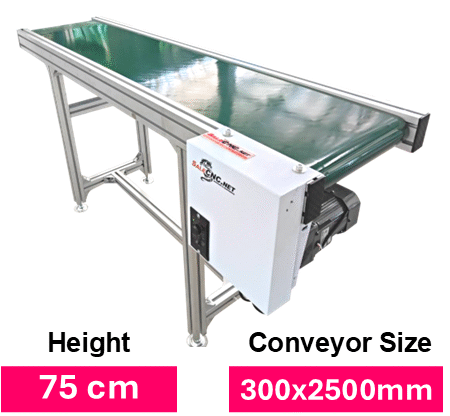
Standard Height (Non-Adjustable)
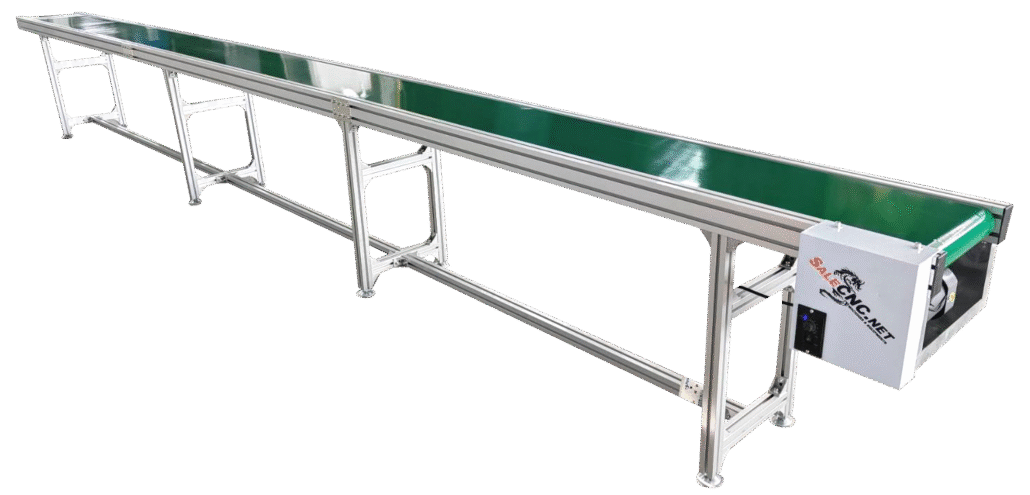
- PVC type conveyor belt for material handling and transfer.
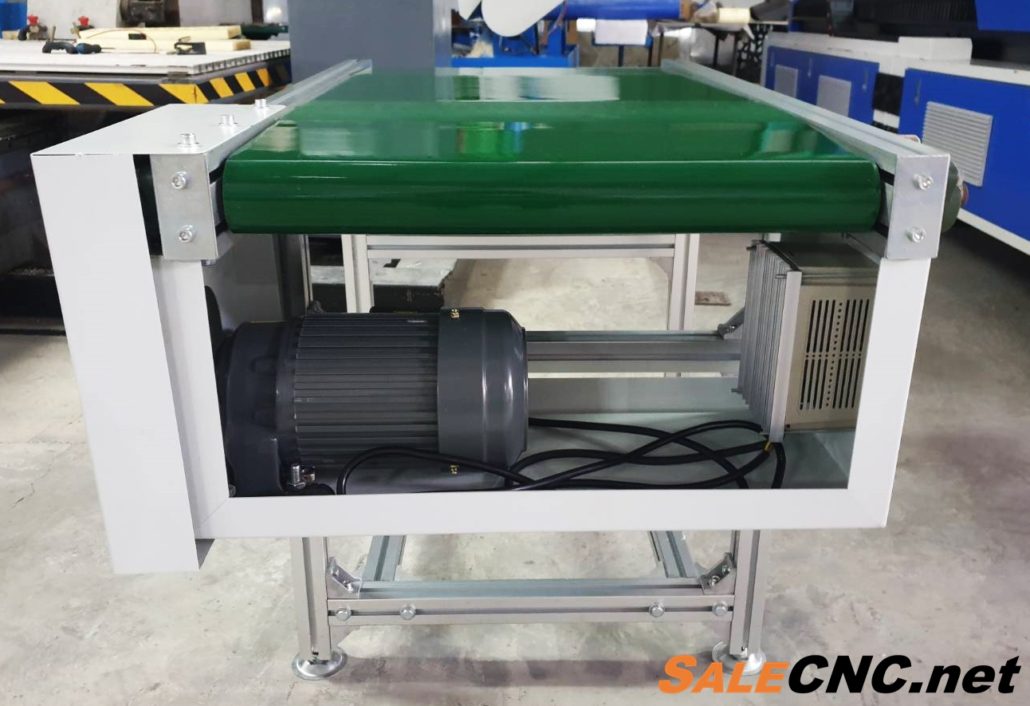
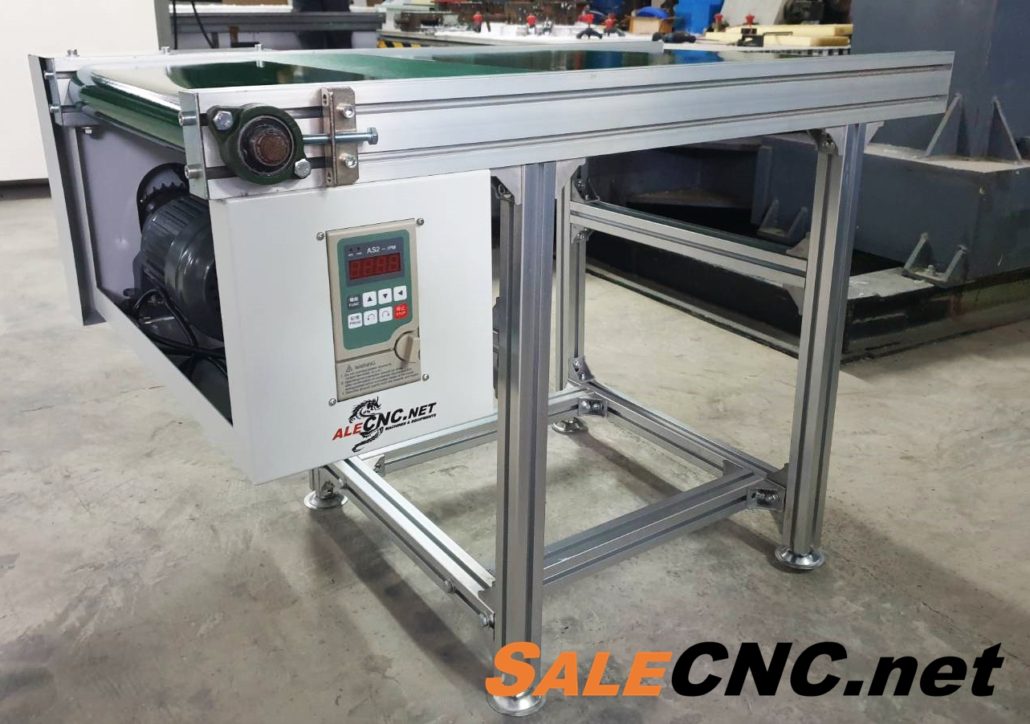
- Equipped with an electric motor for adjustable belt speed.
- Facilitates easy material transport and organization; simple installation and operation.
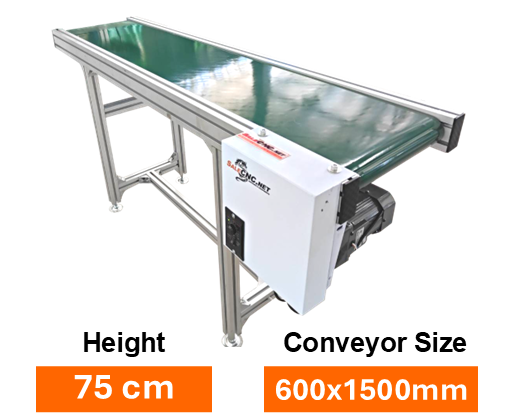
- Standard machine height: 75 cm (non-adjustable).
- Product load capacity on conveyor: approximately 30 kg.
Polyvinylchloride (PVC) Properties
- PVC exhibits excellent resistance to high temperatures, tensile strength, and puncture/tear resistance.
- PVC possesses superior wear resistance.
- PVC offers good resistance to oils and is odor-resistant.
- PVC is robust and highly resistant to abrasion.
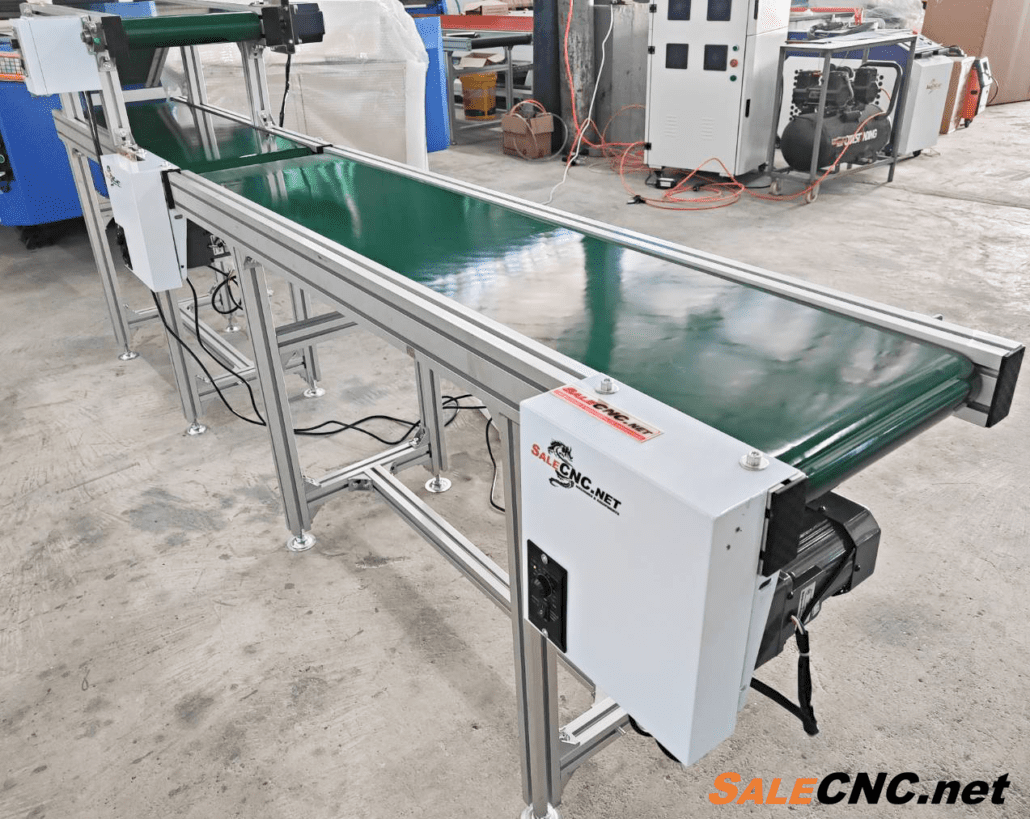
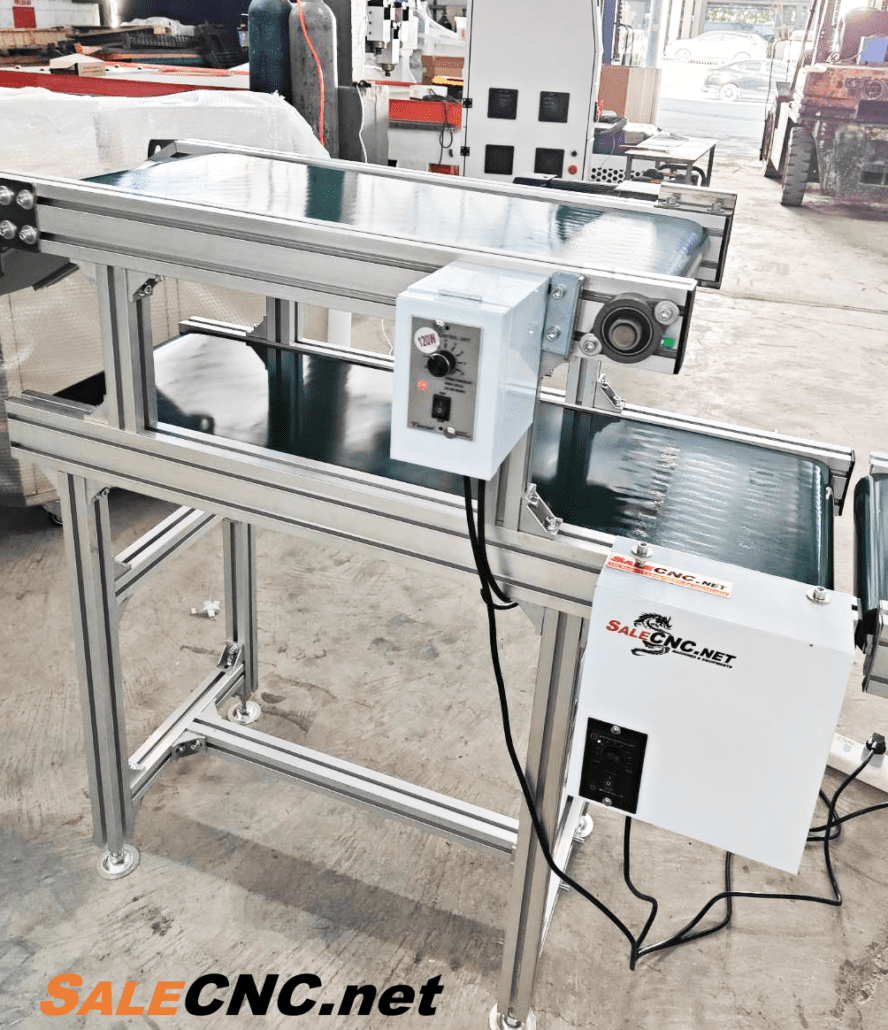
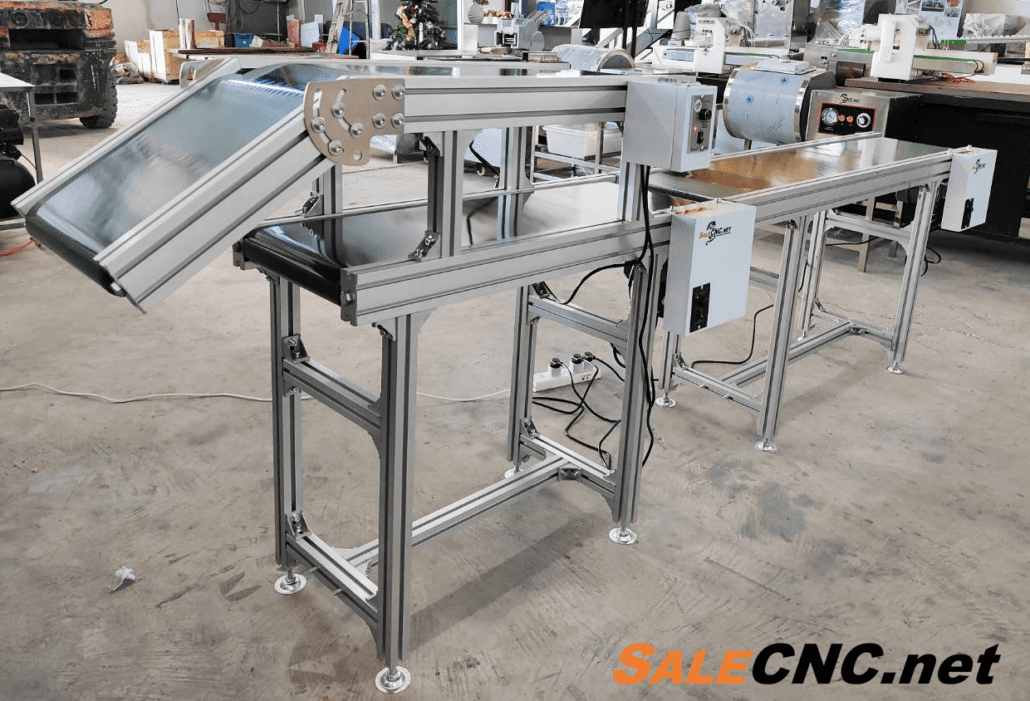
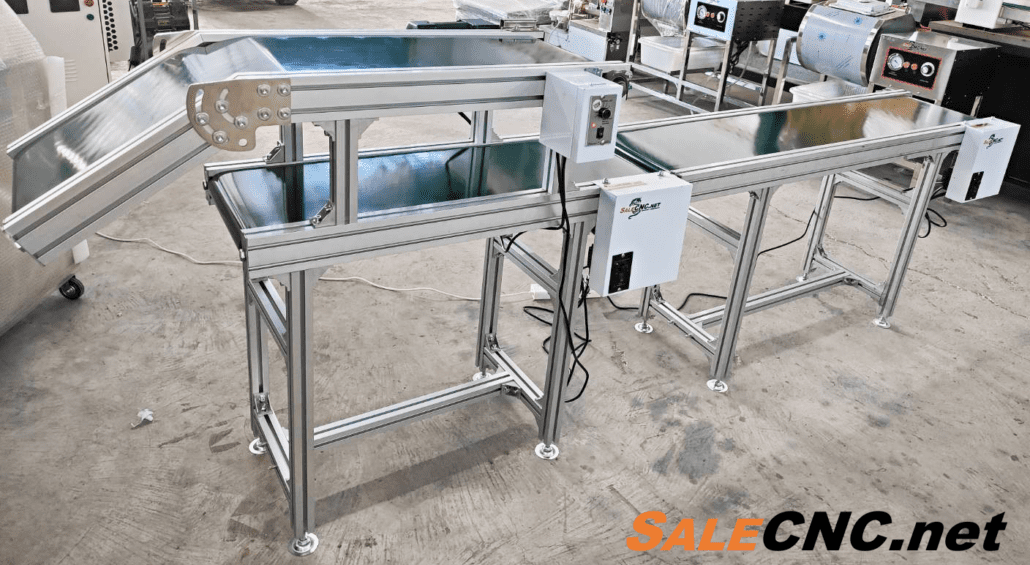
- Conveyor Belt PVC: 300x1500x750 mm
- Conveyor Belt PVC: 300x1000x750 mm
- Conveyor Belt PVC: 300x1200x300 mm
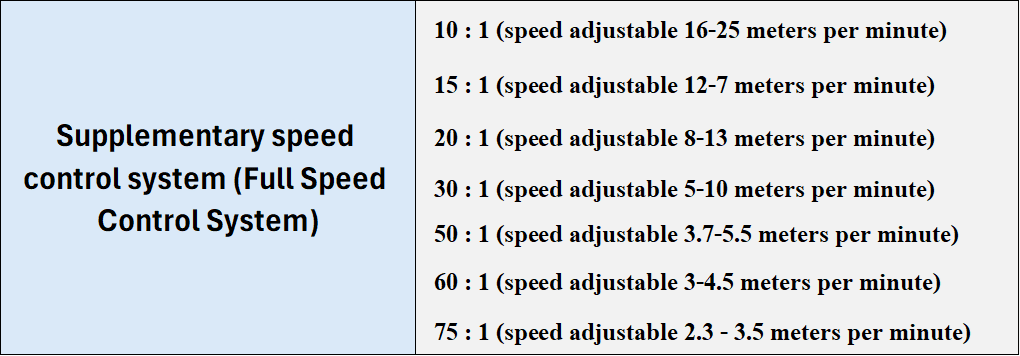
- Speed: 8-13 m/min
- Weight: 2-3 kg.
- Full Set Price: 46,000.-
Inverter Motor Option
Motor Speed Ratio: 30-40 meters/minute
Additional Cost: 7,500 Baht
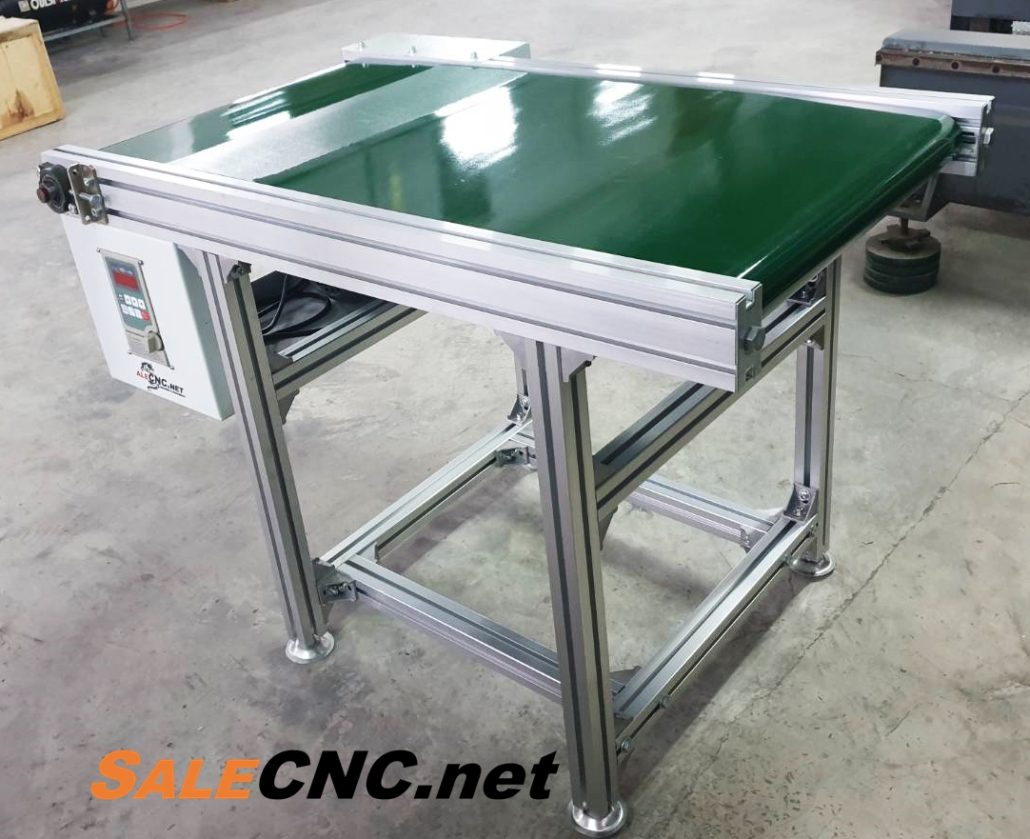
- Conveyor Belt PVC: 500x1000x750 mm
- Speed: 40 m/min; Adjustable Bracket: 100 mm.
- Total Belt Load Capacity: 3 kg.
- Price: 32,000 Baht
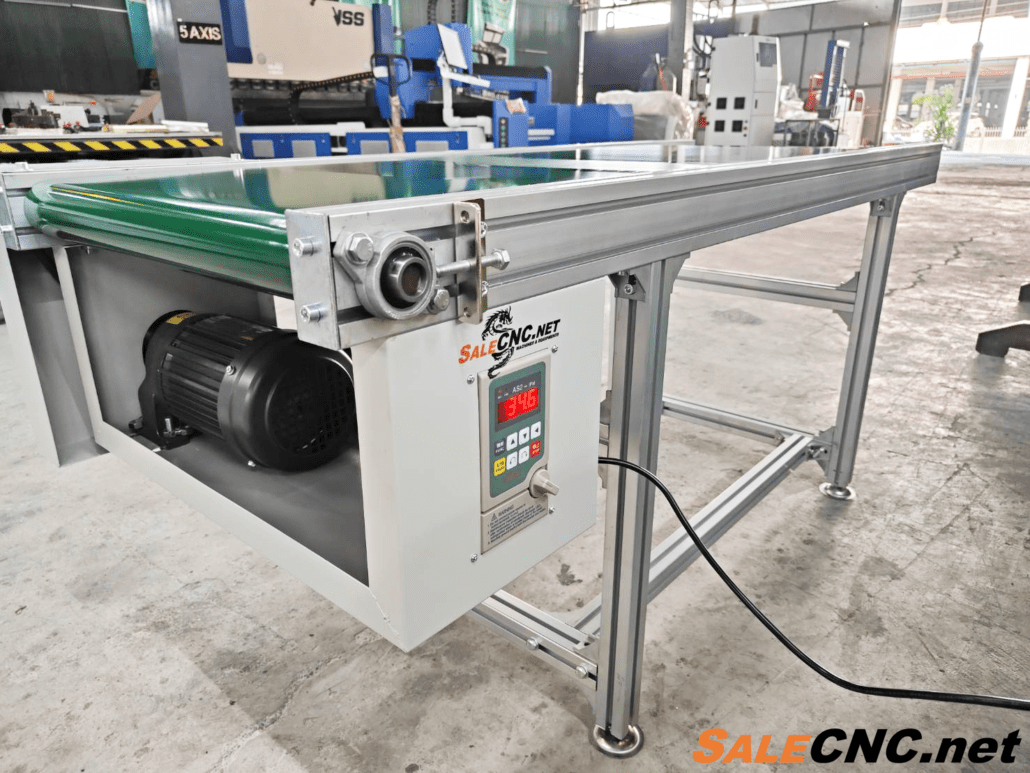
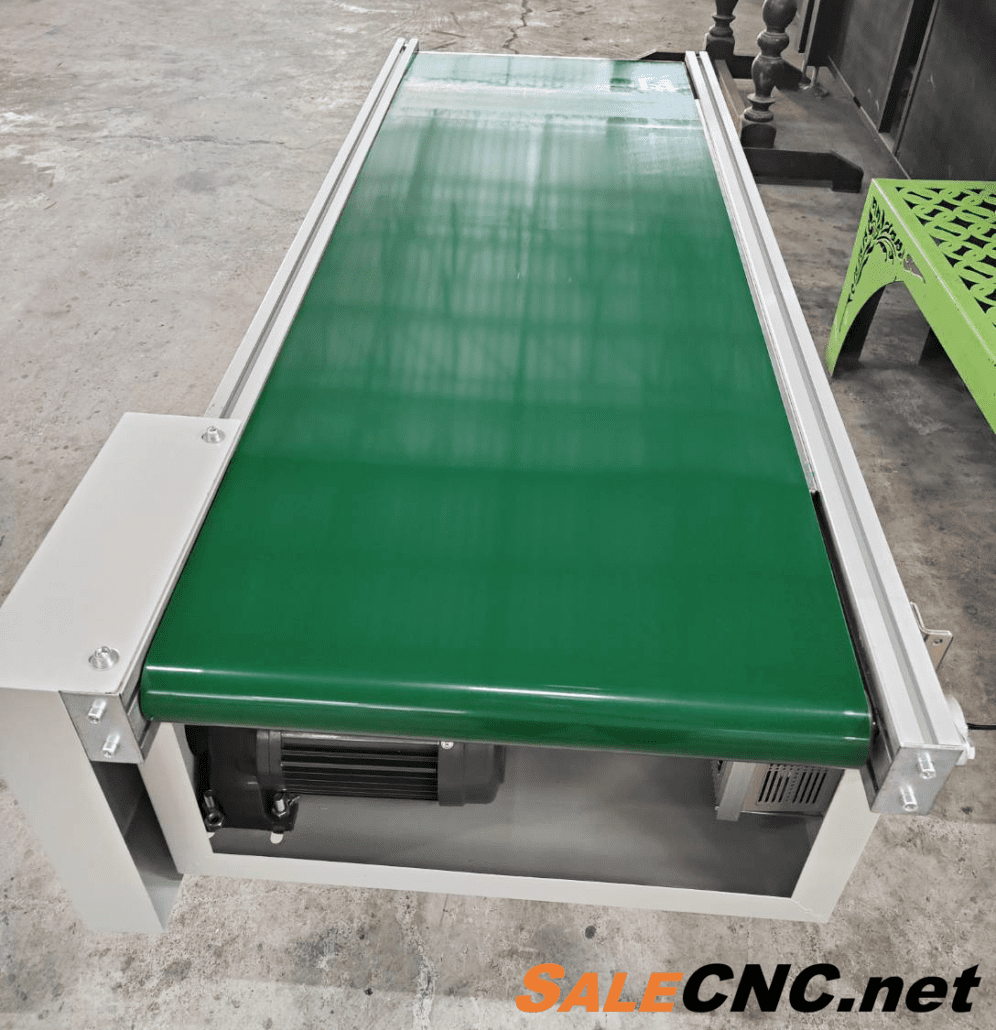
- Conveyor Belt PVC: 500x1500x750 mm
- Speed: 40 m/min; Adjustable Bracket: 100 mm.
- Total Belt Load Capacity: 3 kg.
- Price: 32,000.-
Conveyor Belt PVC Speed Specifications
Dimensions
| Width x Length | |||||||
|---|---|---|---|---|---|---|---|
| Size | 1500 | 2000 | 2500 | 3000 | 3500 | 4000 | 4500 |
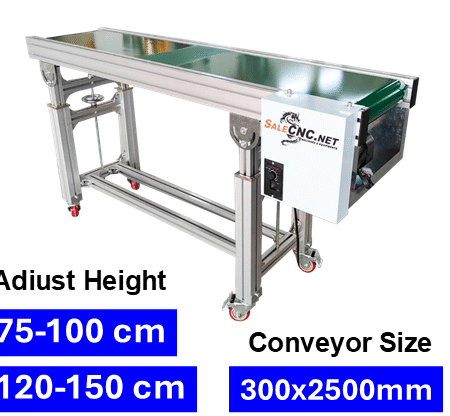
| 300 | 300×1500 mm | 300×2000 mm | 300×2500 mm | 300×3000 mm | 300×3500 mm | 300×4000 mm | 300×4500 mm |
| 500 | 500×1500 mm | 500×2000 mm | 500×2500 mm | 500×3000 mm | 500×3500 mm | 500×4000 mm | 500×4500 mm |
| 600 | 600×1500 mm | 600×2000 mm | 600×2500 mm | 600×3000 mm | 600×3500 mm | 600×4000 mm | 600×4500 mm |
- Product load capacity on conveyor: approximately 30 kg.
- A conveyor belt is a mechanical device consisting of a continuous loop of material, typically made of rubber, fabric, or metal, used for transporting objects from one location to another. Conveyor belts are commonly used in manufacturing, distribution centers, warehouses, airports, and many other industries for the efficient movement of goods, products, and materials.
- The basic components of a conveyor belt system include:
- Belt: The conveyor belt itself is the component that carries the load. It can be made from various materials depending on the application, such as rubber, PVC, nylon, or metal.
- Drive Mechanism: This is the mechanism that powers the movement of the conveyor belt. It may consist of an electric motor, hydraulic system, or other power source.
- Idlers or Rollers: Idlers or rollers are placed along the length of the conveyor belt to support and guide it. They help reduce friction and ensure smooth movement.
- Pulleys: Pulleys are used to change the direction of the belt or provide tension to keep the belt tight. They are typically located at the ends of the conveyor belt.
- Support Structure: The support structure provides the framework for the conveyor belt system, including the frame, legs, and other structural components.
- Conveyor belts can be configured in various ways depending on the specific needs of the application. They can be straight, curved, inclined, or declined, and may incorporate additional features such as side rails, cleats, or guides to control the movement of the transported items.
- Conveyor belts offer several advantages, including efficient transportation, automation of material handling processes, increased productivity, and reduced manual labor. They come in a wide range of sizes and configurations to suit different industries and applications.