







 View All Products
Description
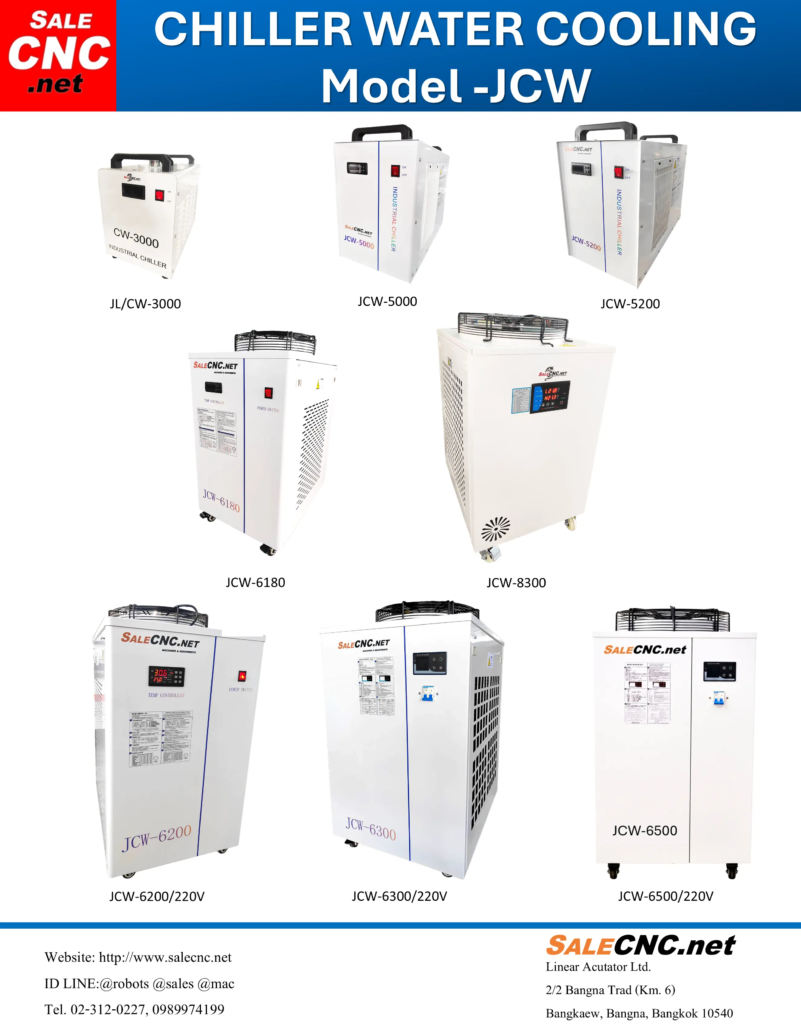
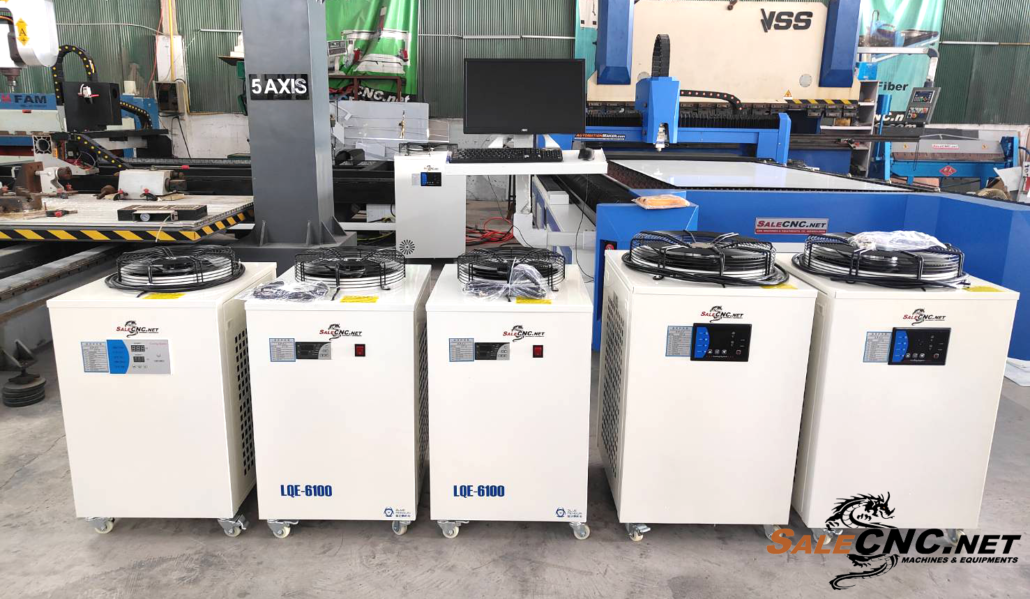
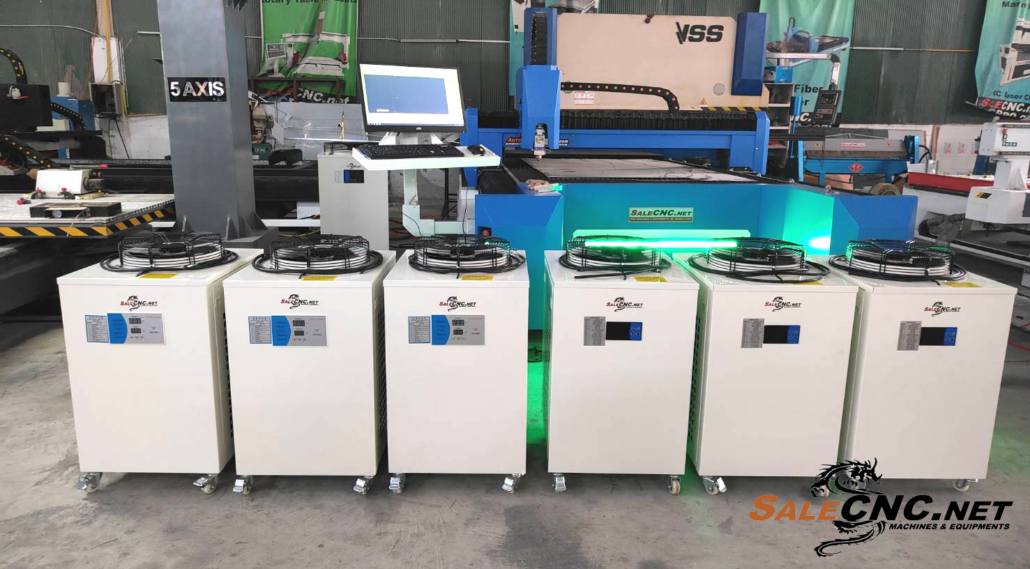
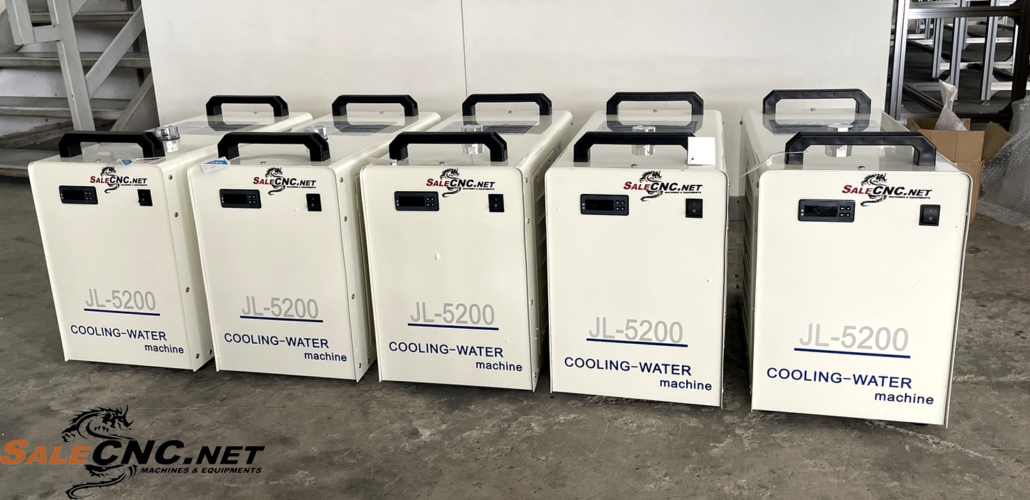
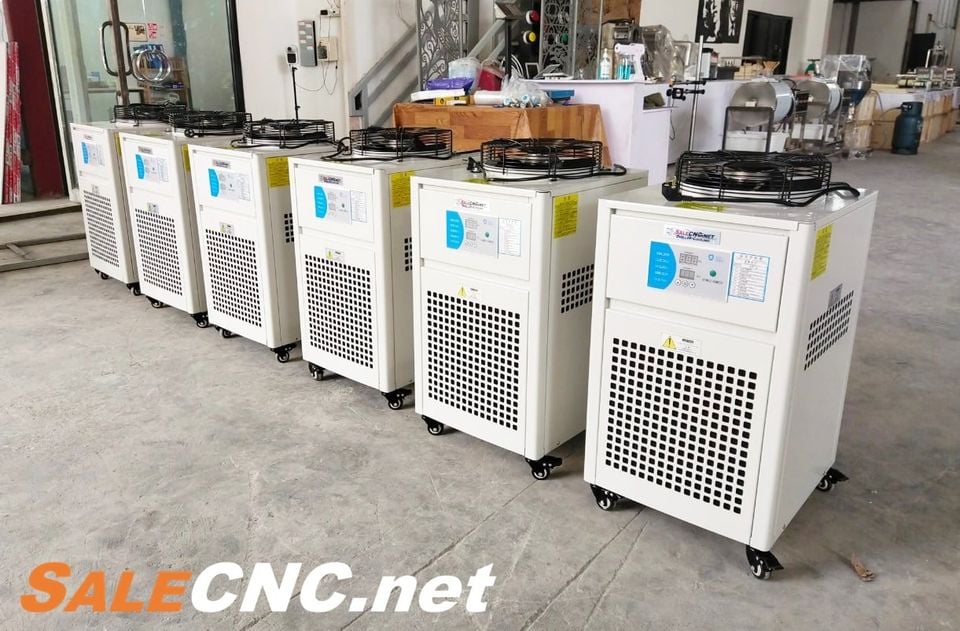
Chiller Water Cooling System
Model JCW-5200
Industrial Water Chiller Cooling System
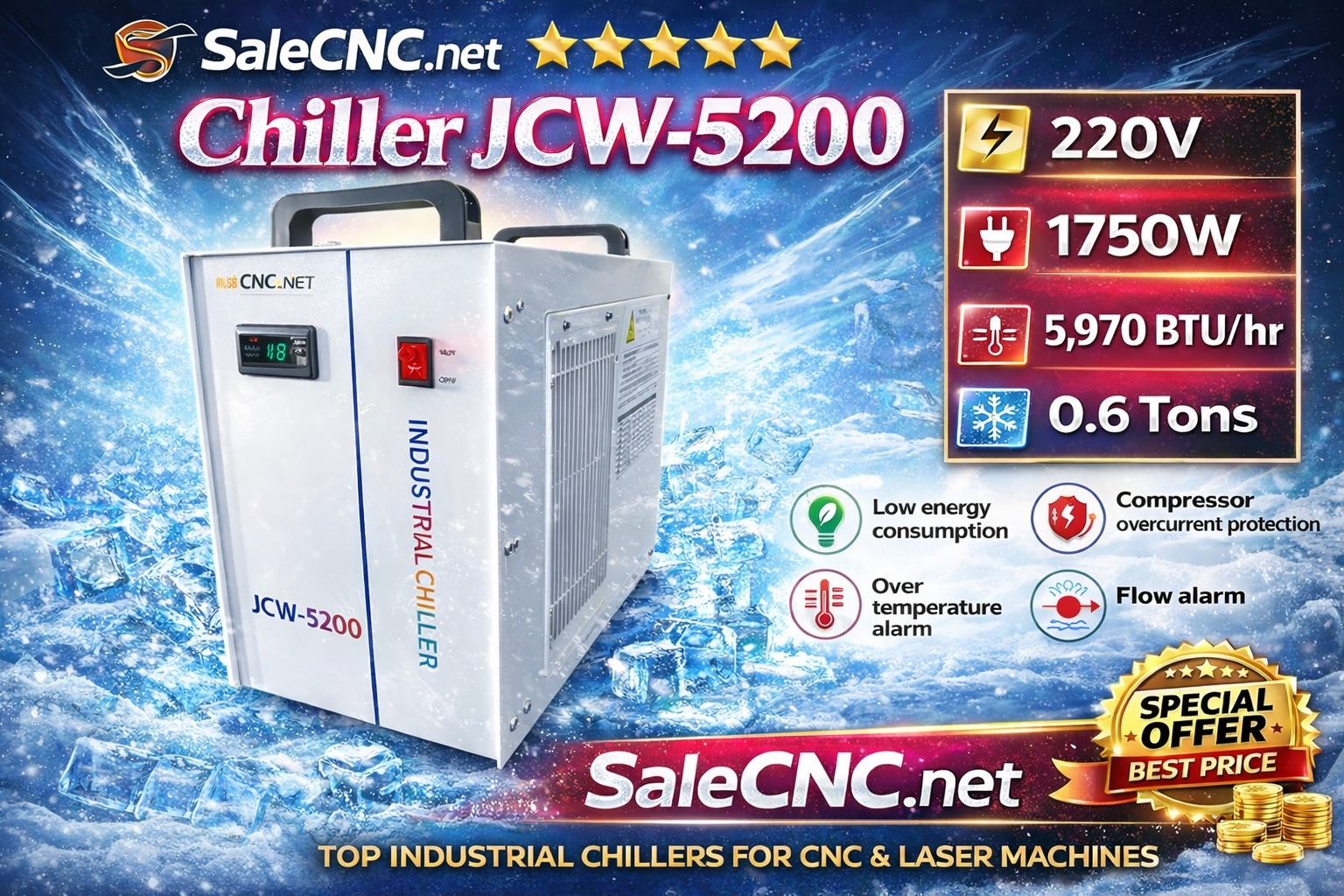
Industrial Cooling System for Factories
Precise Temperature Control Industrial Cooling System
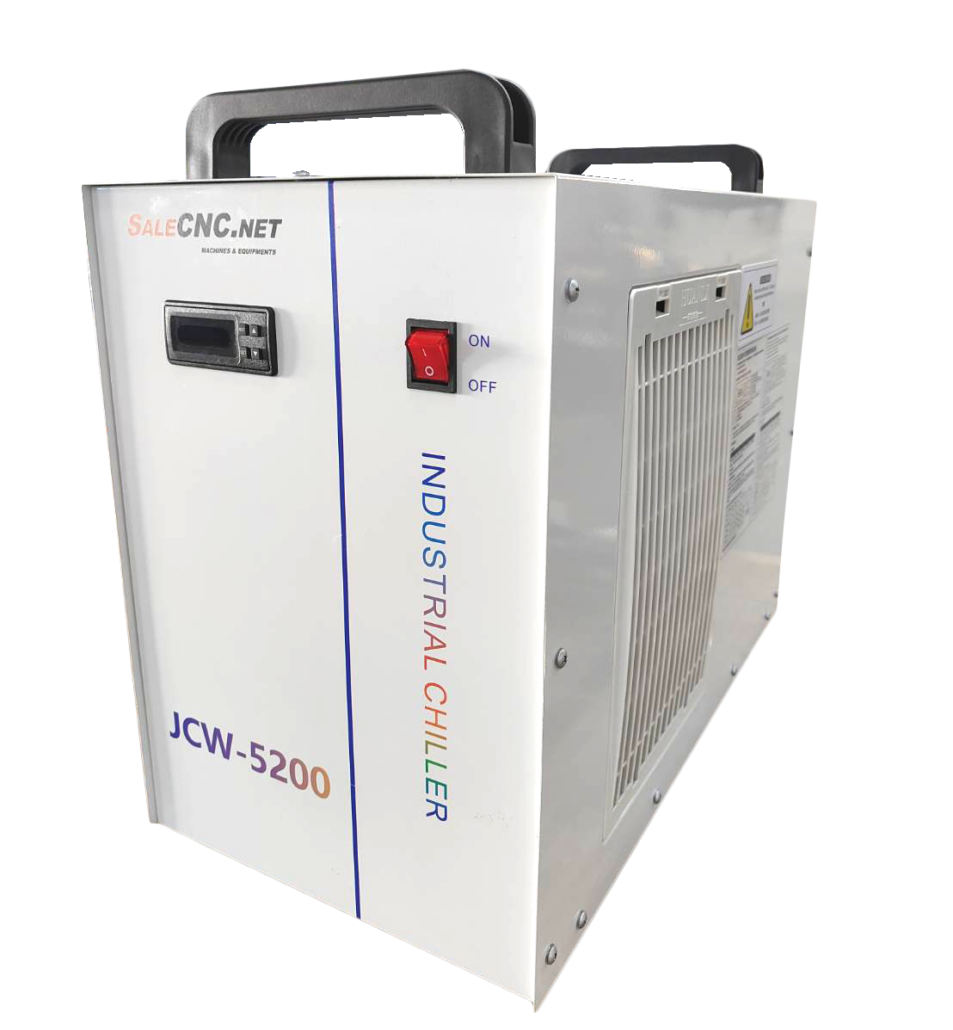
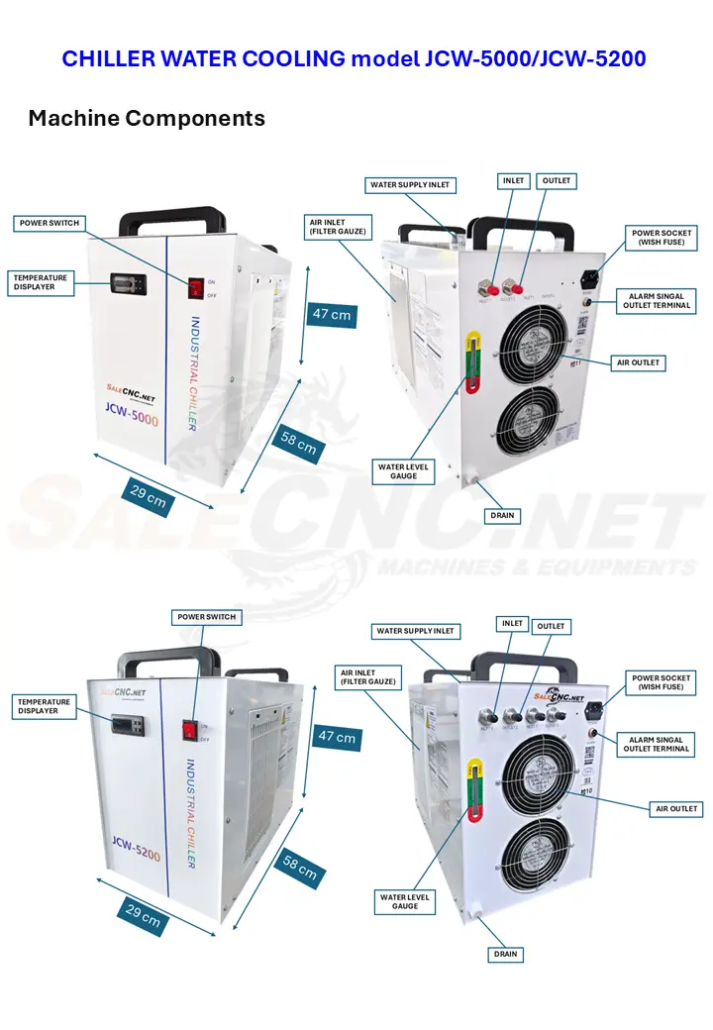
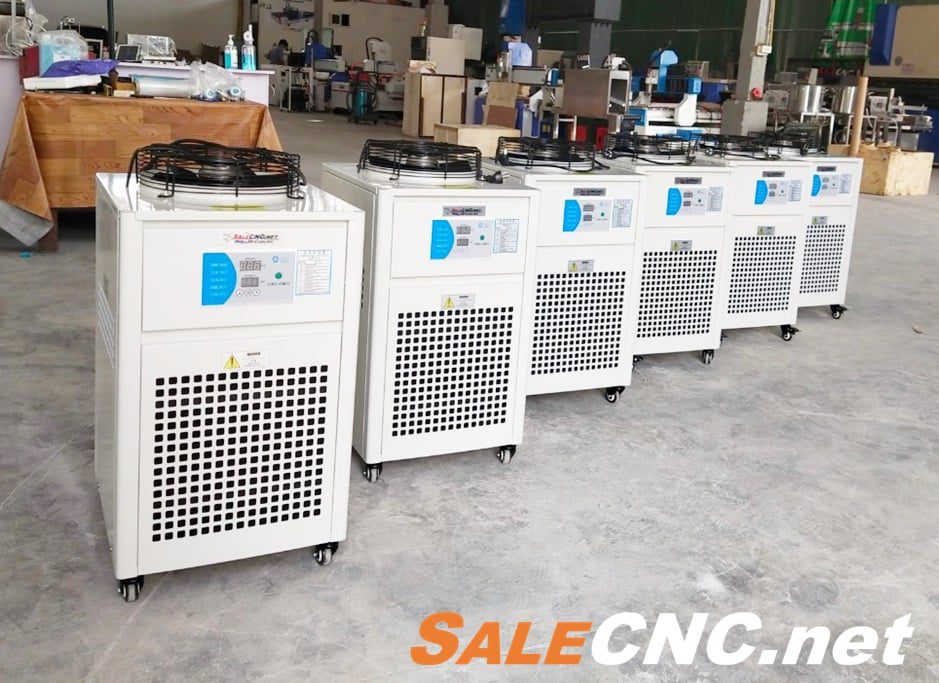
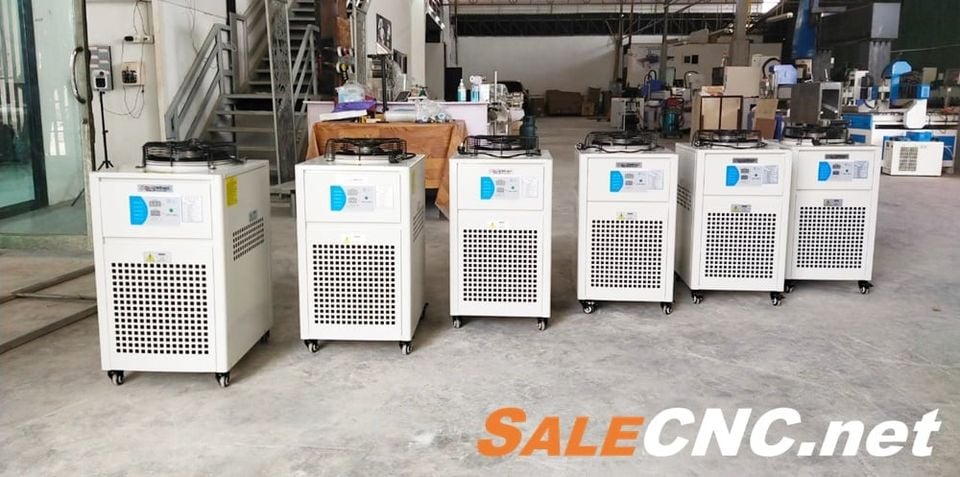
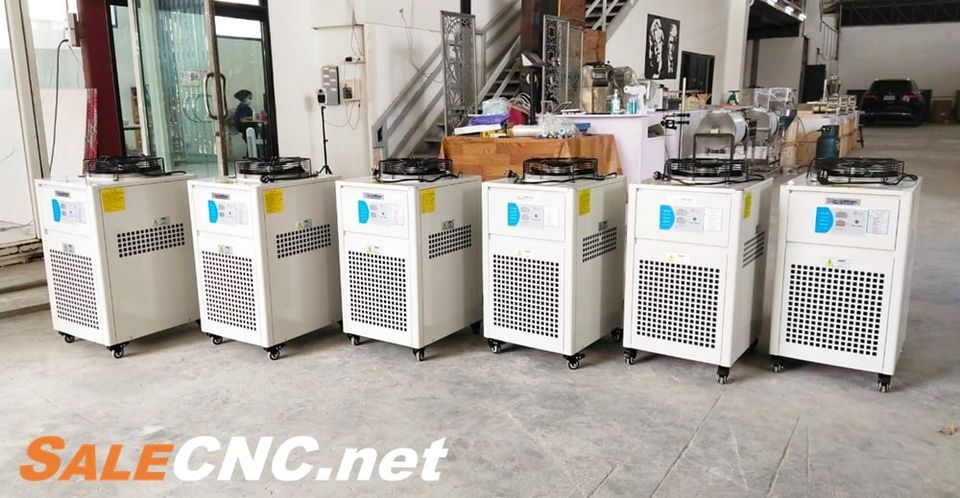
Front View 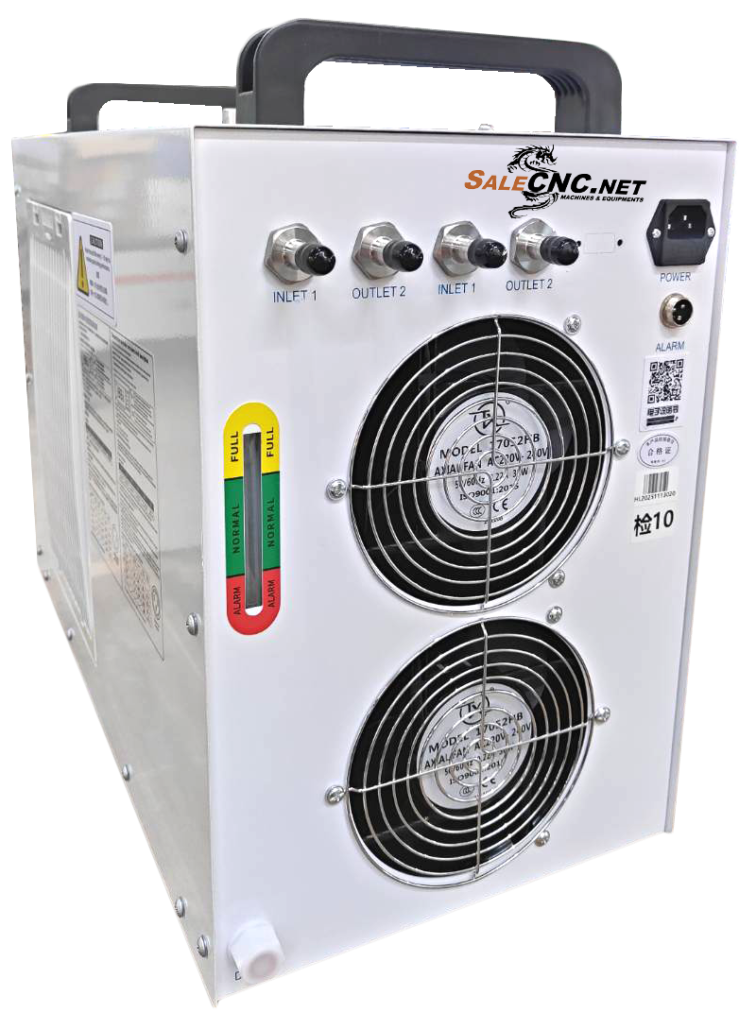
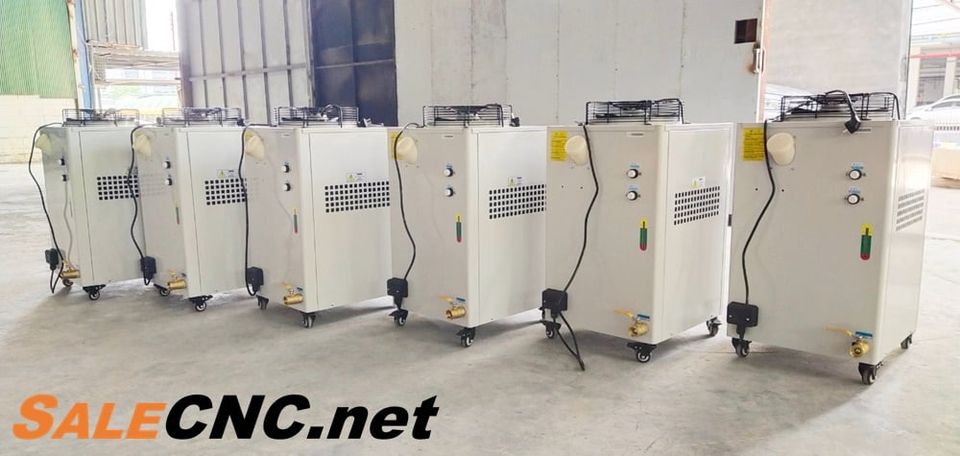
Rear View
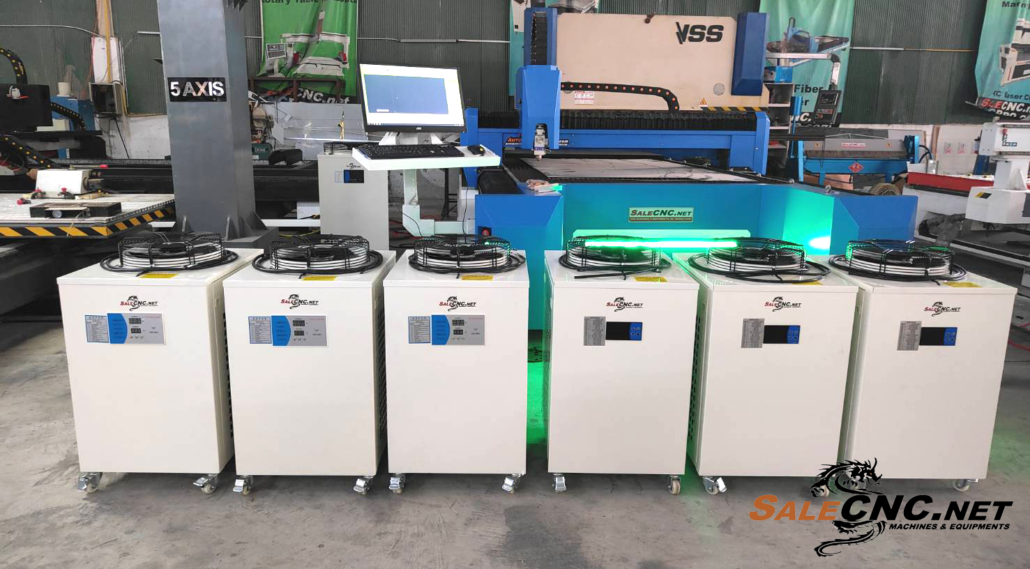
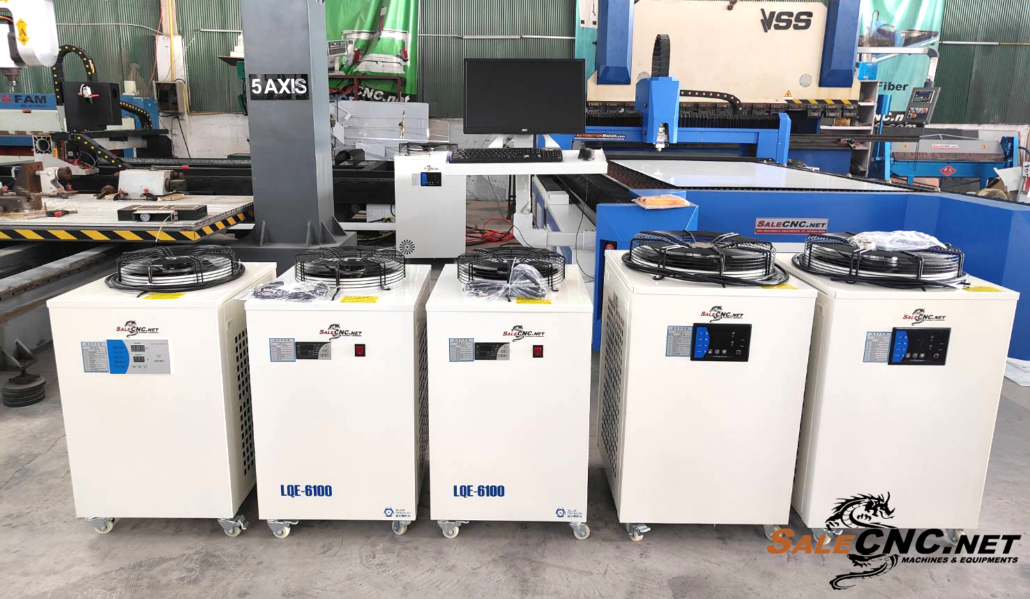
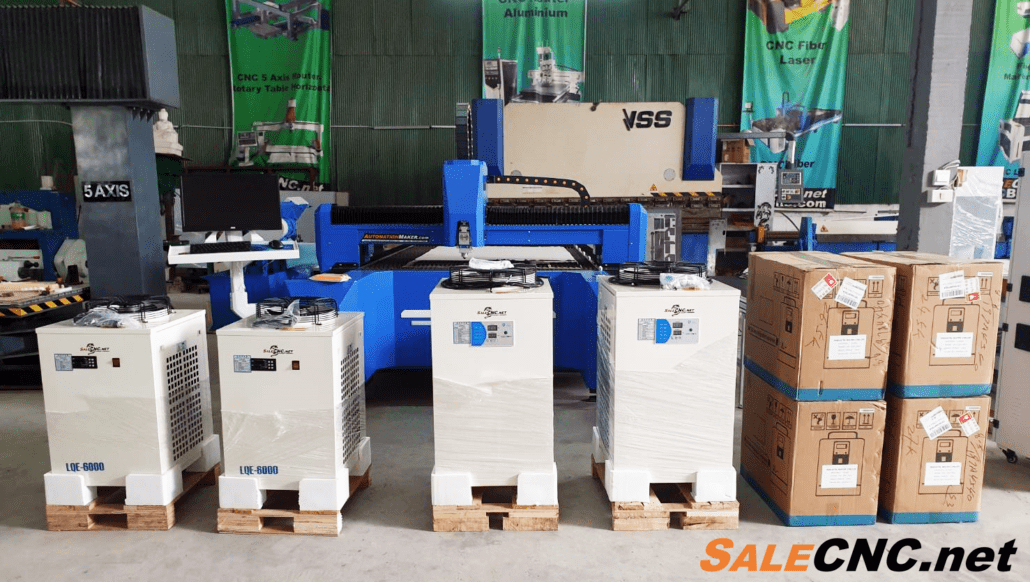
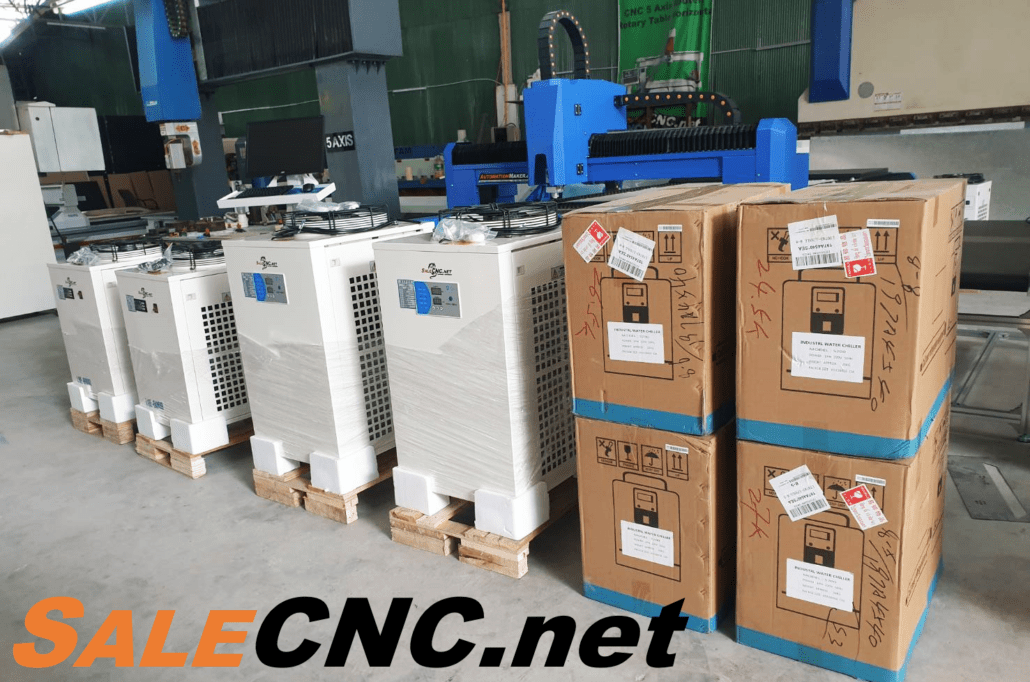
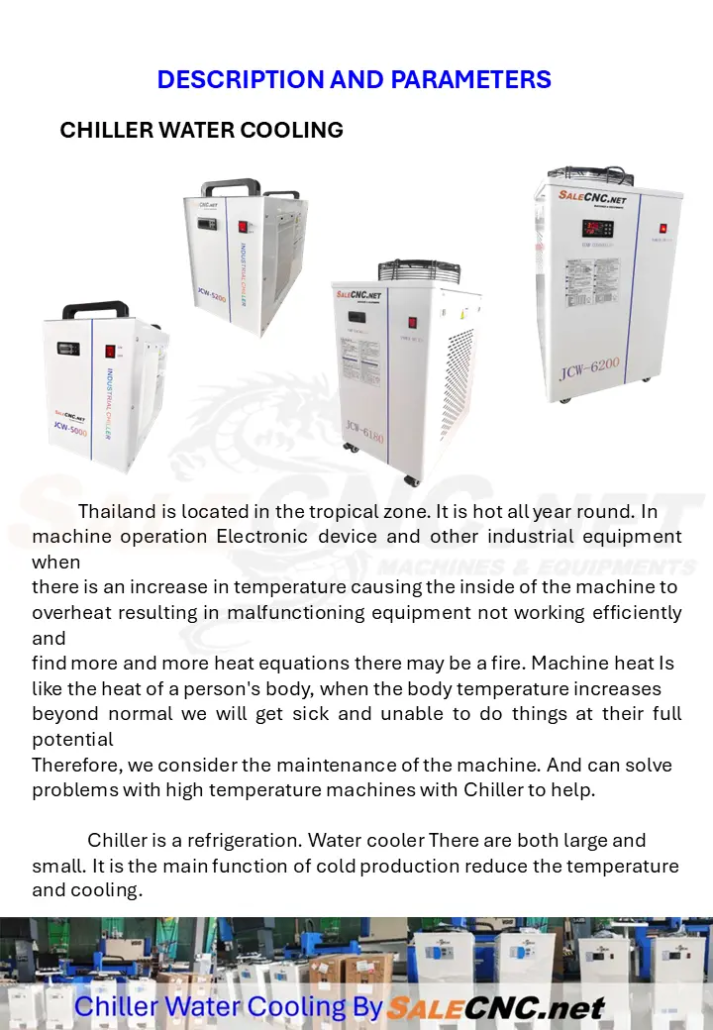
- Thailand is located in the tropical zone. It is hot all year round. In machine operation, electronic devices, and other industrial equipment, when the temperature increases, it causes the inside of the machine to overheat. This results in equipment malfunction, reduced operational efficiency, and prolonged heat accumulation can lead to fire hazards. Machine heat is analogous to body heat in humans; when our body temperature exceeds normal limits, we become unwell and cannot perform at full capacity. Therefore, machine maintenance and addressing high-temperature issues are crucial, with Chillers serving as an effective solution.
- Thailand is located in the tropical zone. It is hot all year round. In machine operation Electronic device and other industrial equipment when there is an increase in temperature causing the inside of the machine to overheat resulting in malfunctioning equipment not working efficiently and find more and more heat equations there may be a fire. Machine heat Is like the heat of a person’s body, when the body temperature increases beyond normal we will get sick and unable to do things at their full potential Therefore, we consider the maintenance of the machine. And can solve problems with high temperature machines with Chiller to help.
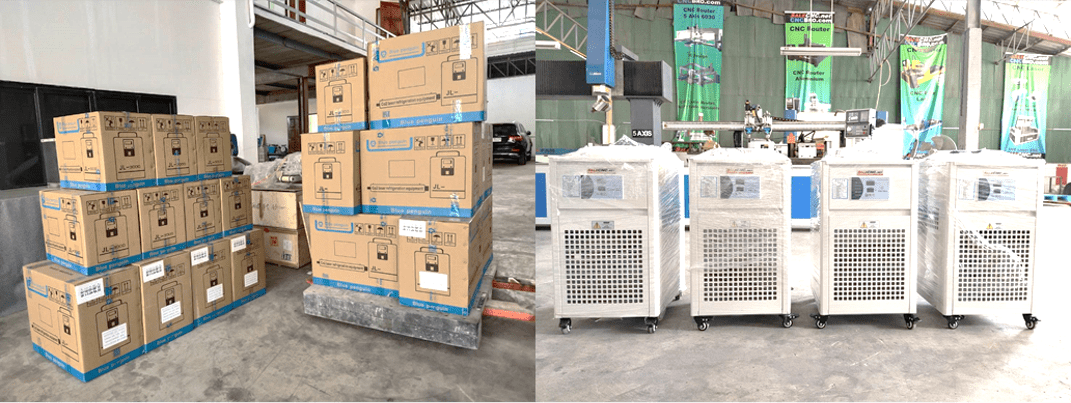
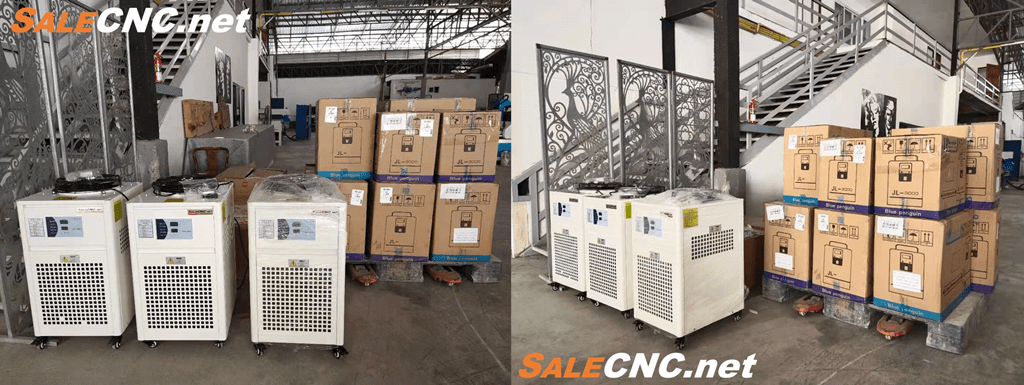
- A Chiller is a refrigeration unit, also known as a water cooler, available in various sizes. Its primary function is to produce cooling, reduce temperature, and dissipate heat using water as the medium for heat exchange and transfer from the chiller unit. Chillers are widely adopted in industrial facilities to cool machinery, extend equipment lifespan, and maintain optimal operational efficiency.
- Chiller is a refrigeration. Water cooler There are both large and small. It is the main function of cold production reduce the temperature and cooling.

- Utilizes water as the primary medium for heat exchange and dissipation from the cooling unit.
- Chillers are currently employed in industrial settings for heat removal from machinery, ensuring longevity and maintaining operational efficiency.
- Applications include: Closed-loop systems, hydraulic injection molding machines, and CNC machinery.
- For example : Closed system pond, Hydraulic injection molding machine, CNC Engraving Cutting CO2, CNC Laser Engraving UV, CNC Router Milling, CNC Fiber Laser and other.
Industrial Water Chiller for Sale – Model JCW-5200
Used for cooling CNC machines and fiber lasers, ensuring stable operation and preventing overheating during use.
FEATURES
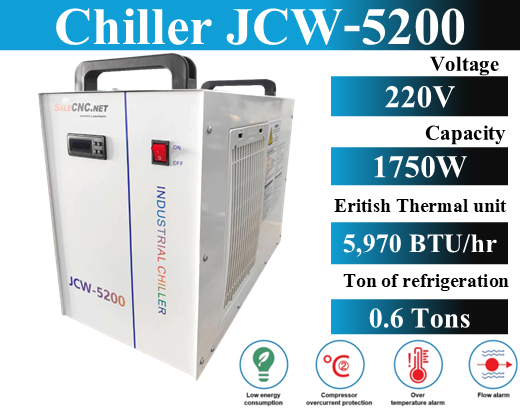
- JCW-5000/5200: Refrigerating capacity up to 1750 W.
- Utilizes a solenoid valve control system for precise adjustment of cooling volume, ensuring stability and accuracy of the cooling system.
- Features intelligent and constant working modes, suitable for various environmental temperatures.
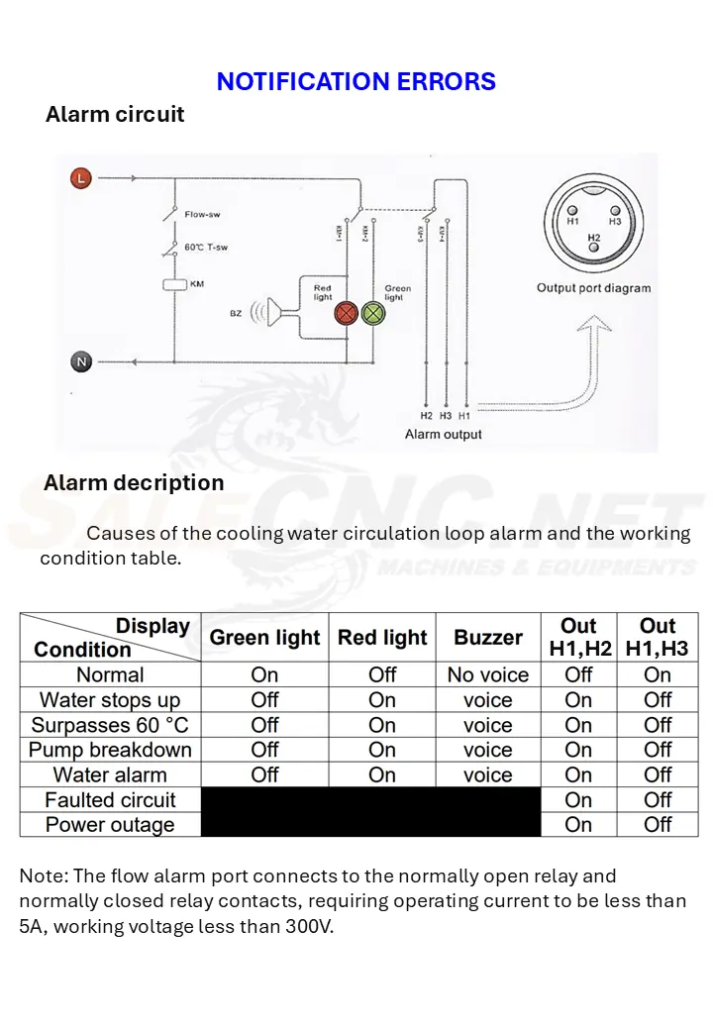
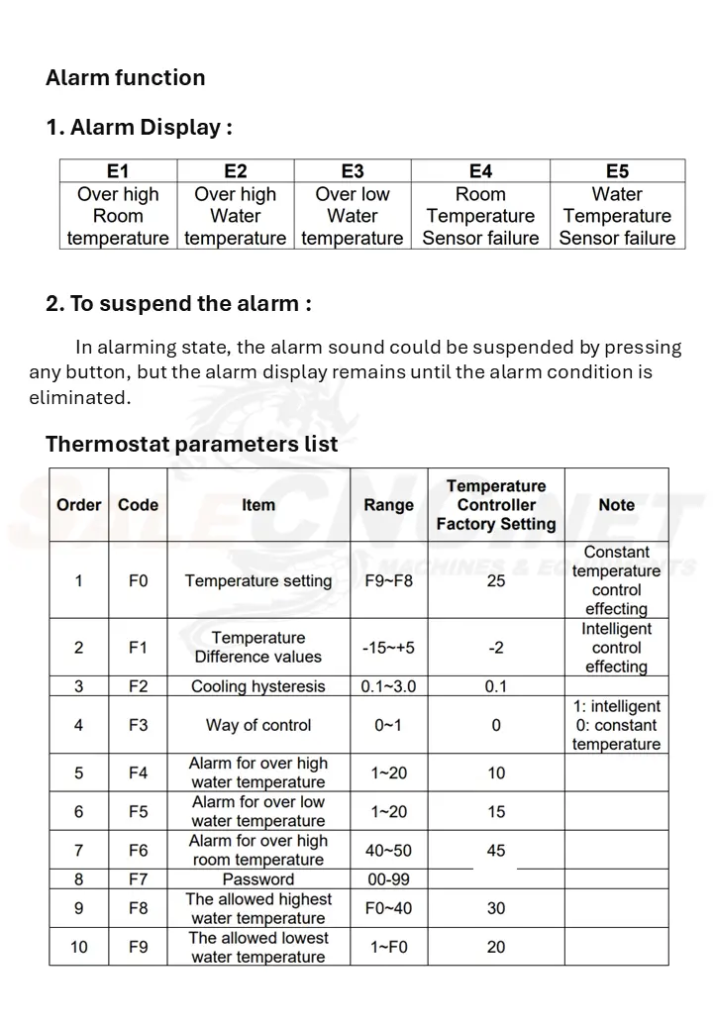
- Includes temperature over-temperature alarm and sensor fault self-diagnosis functions.
- Equipped with compressor overload protection and water flow alarm functions.
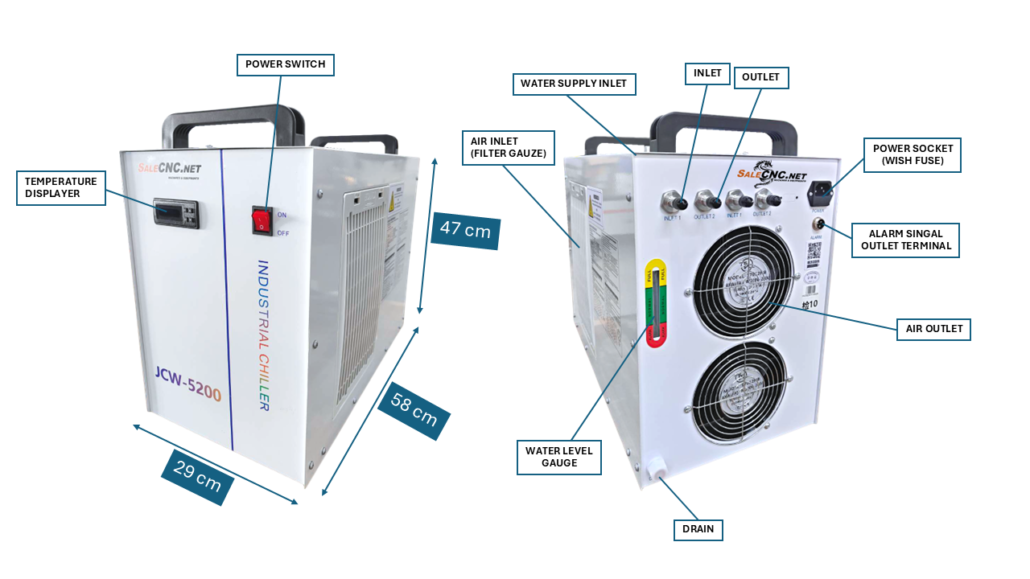
Machine Dimensions
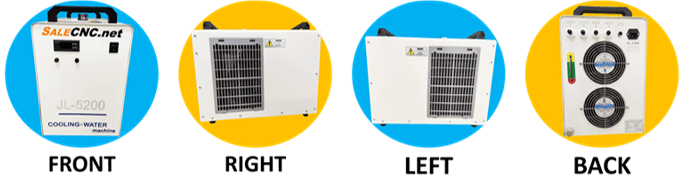
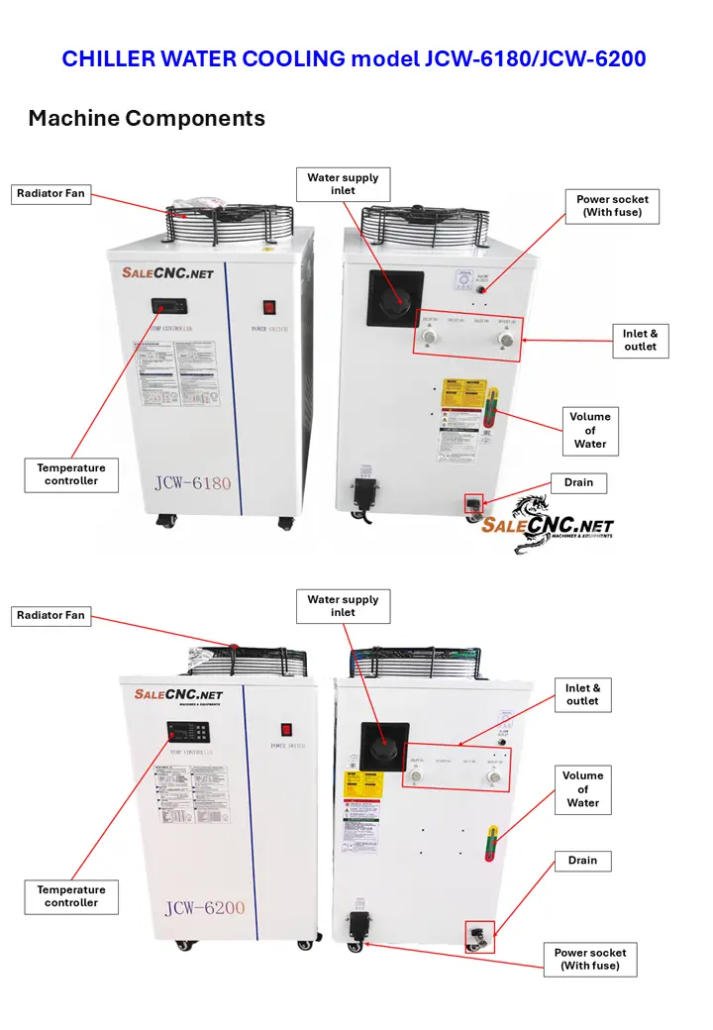
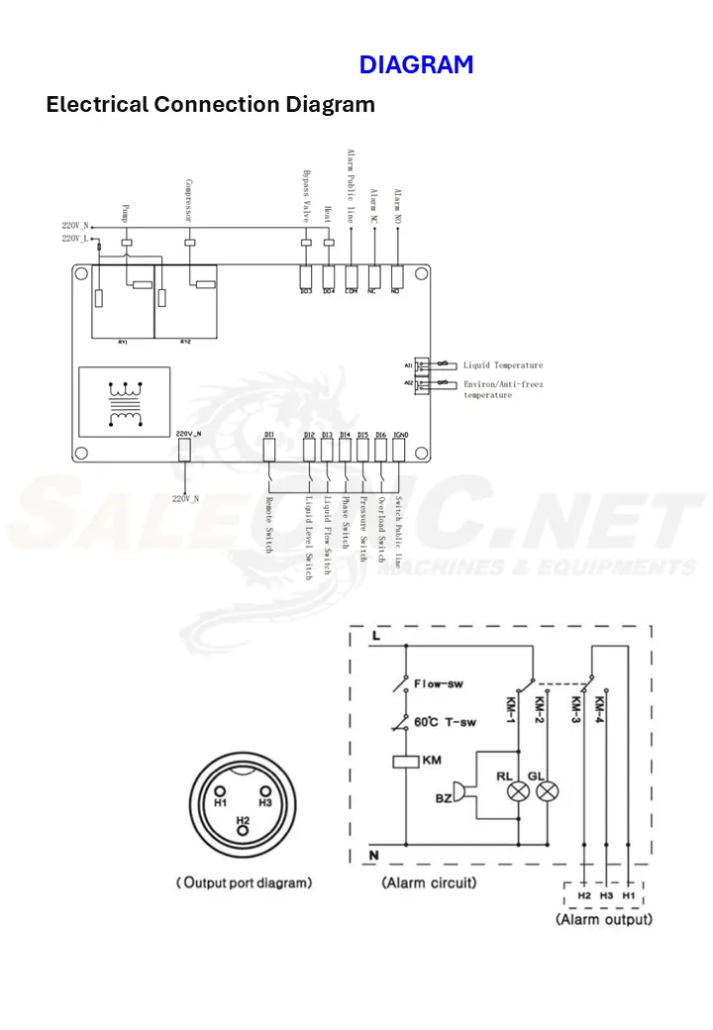
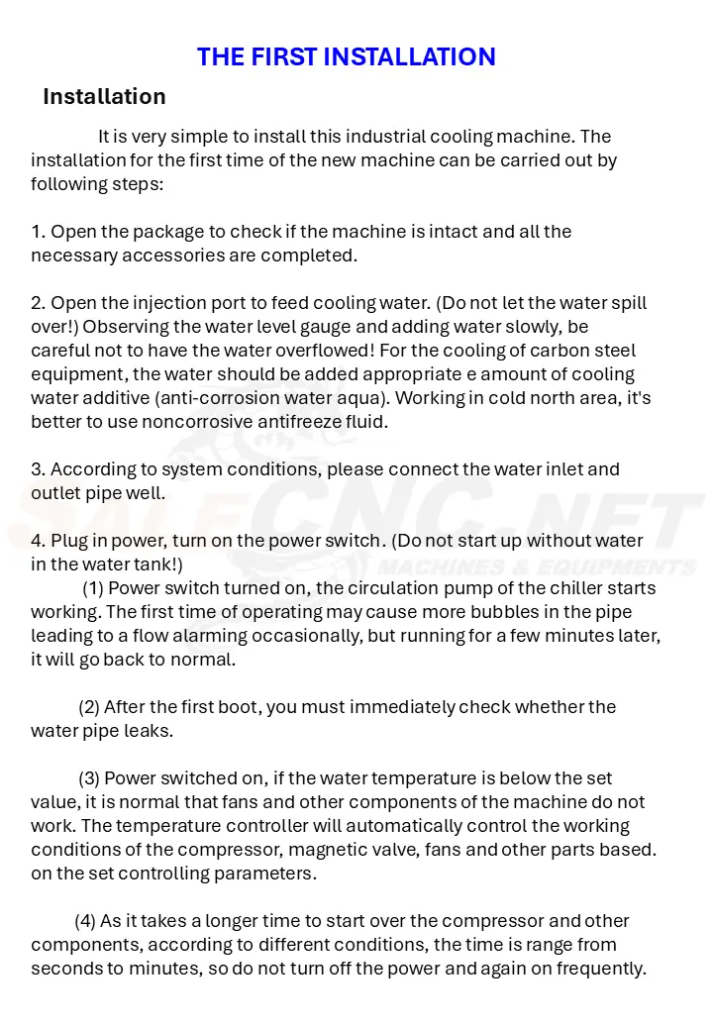
Machine Components
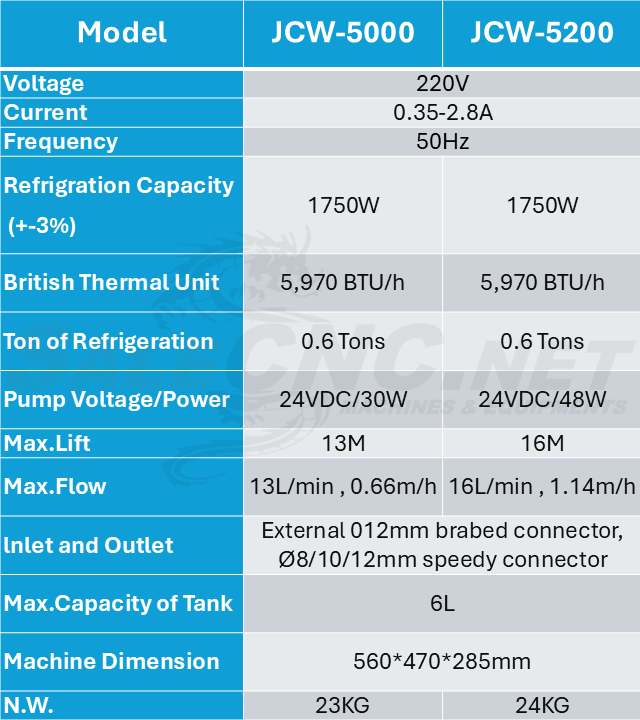
Technical Parameters
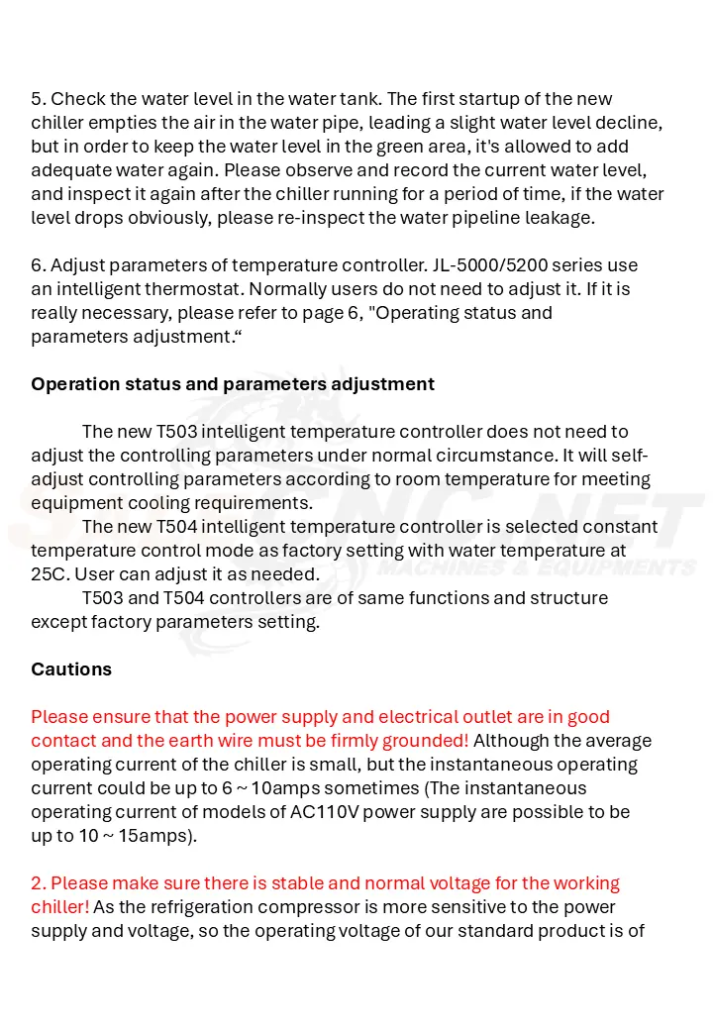
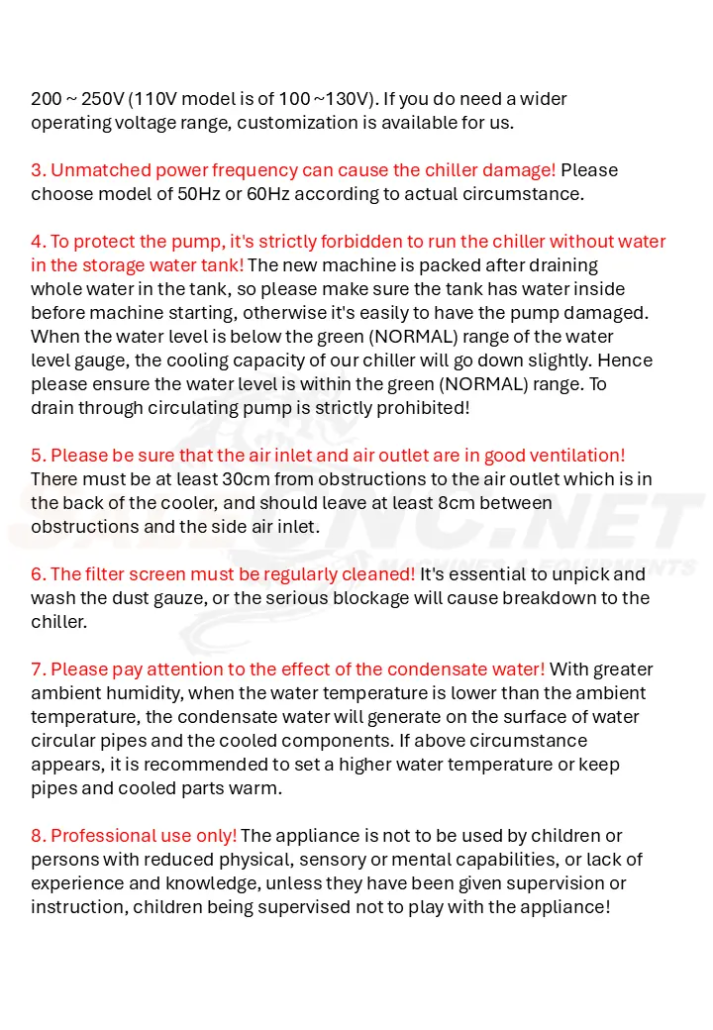
Download User Manual for Chiller JCW-5000/5200 Click Here
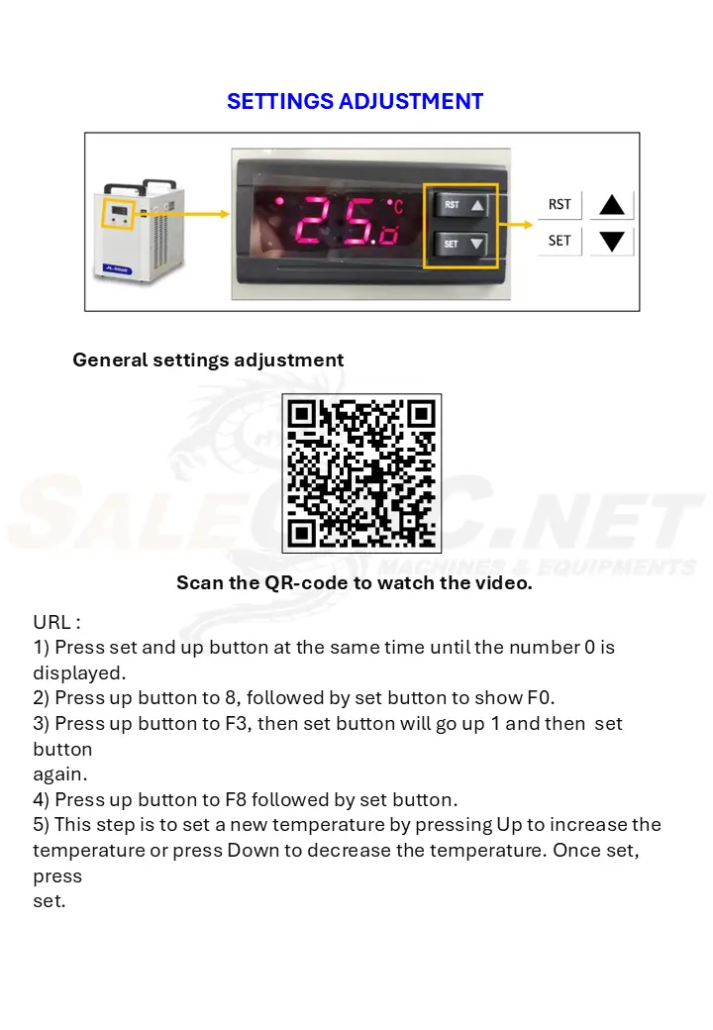
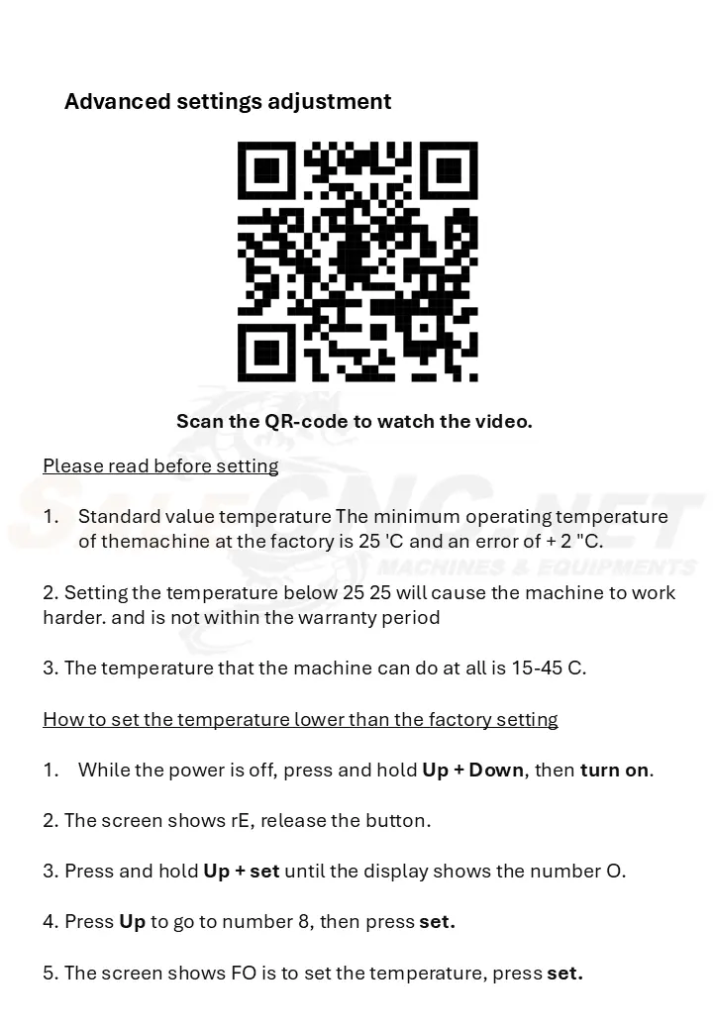
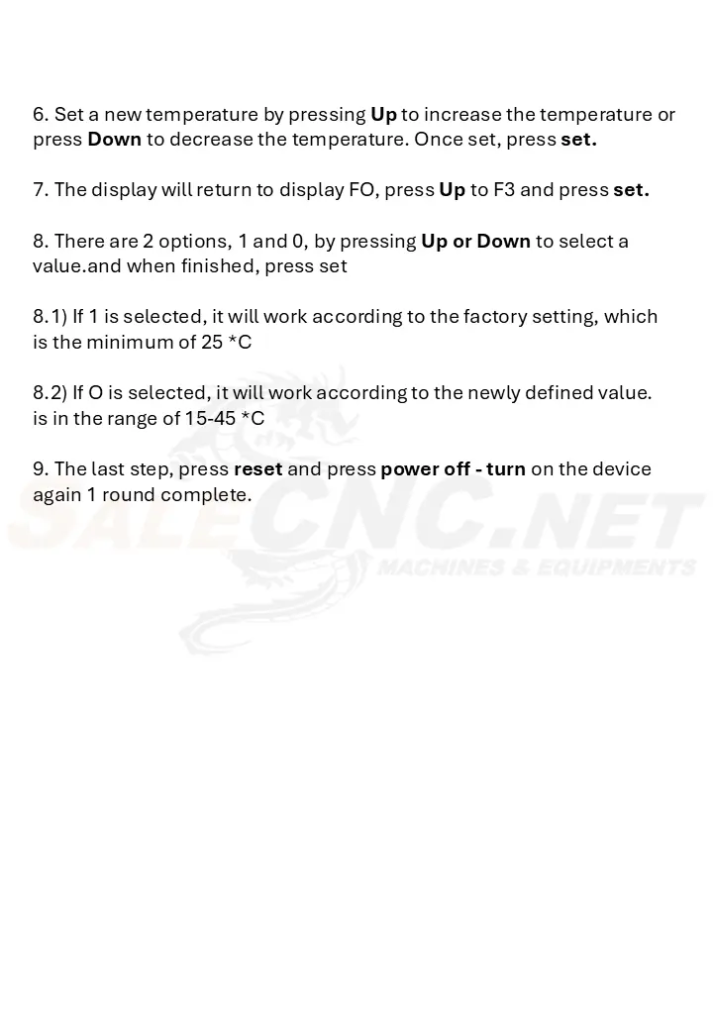
Temperature Adjustment Procedure for Chiller Models CW/JL5000/5200 and above
Chiller-5000 vs. Chiller-5200 Comparison

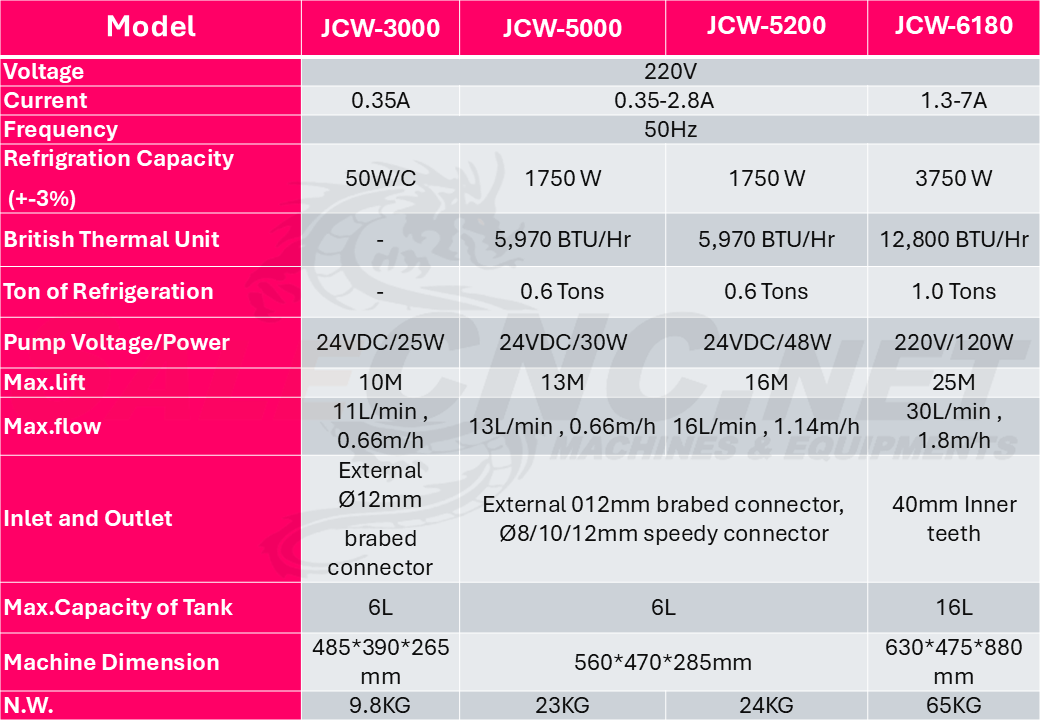
All Water Chiller Models Comparison
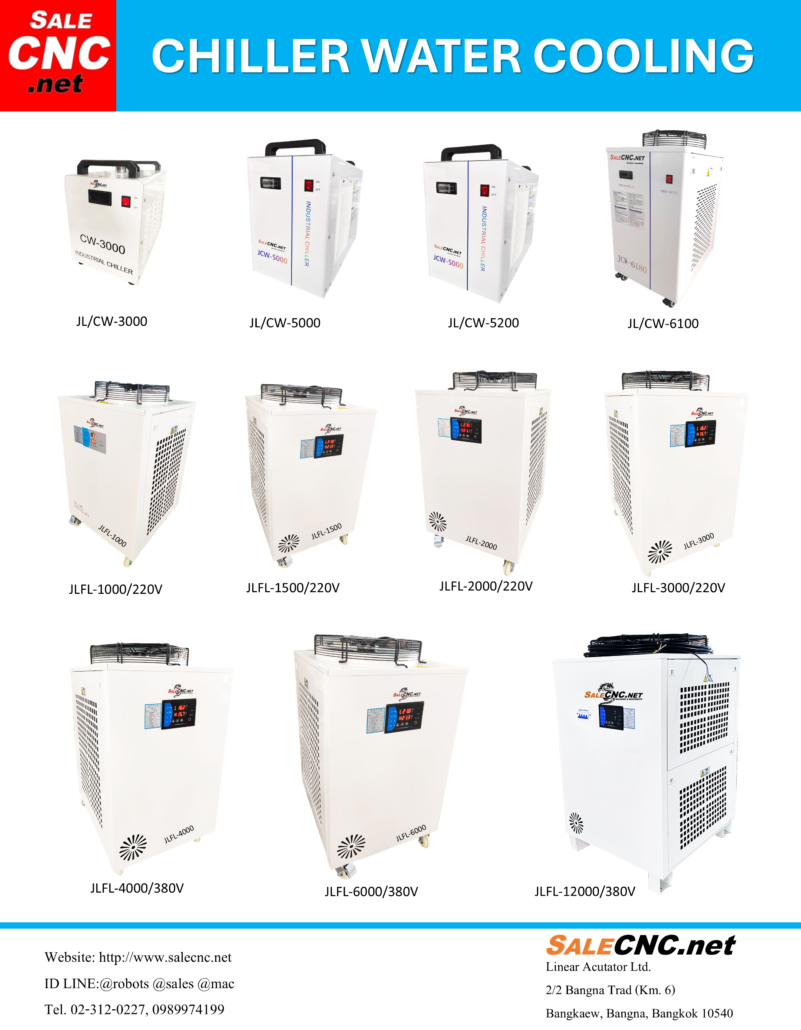
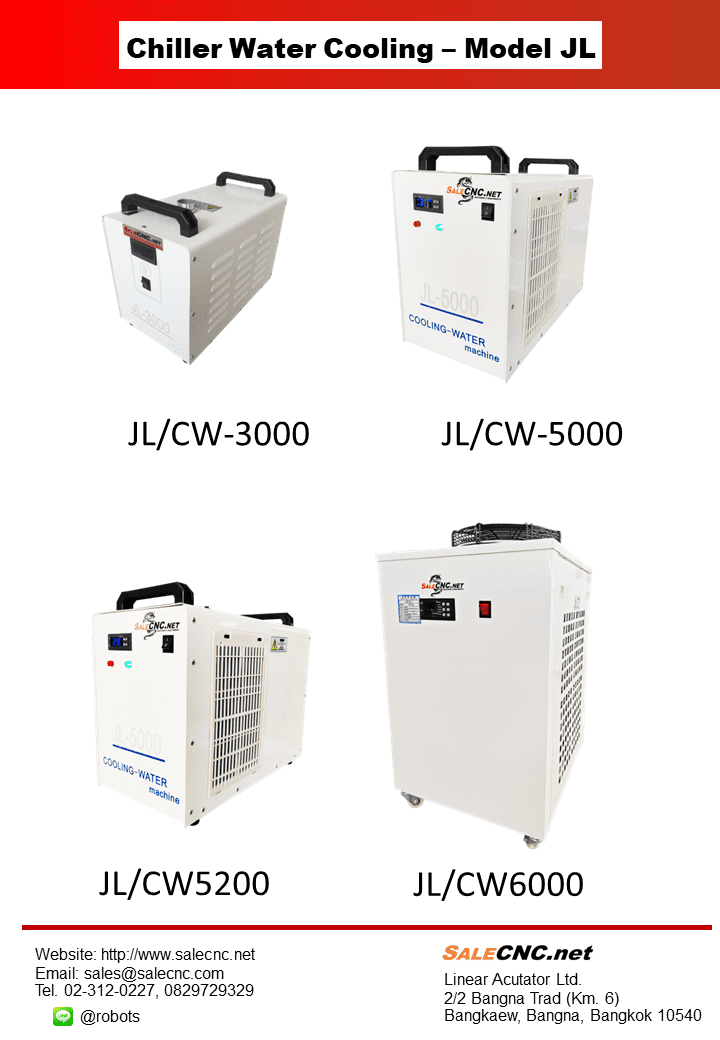
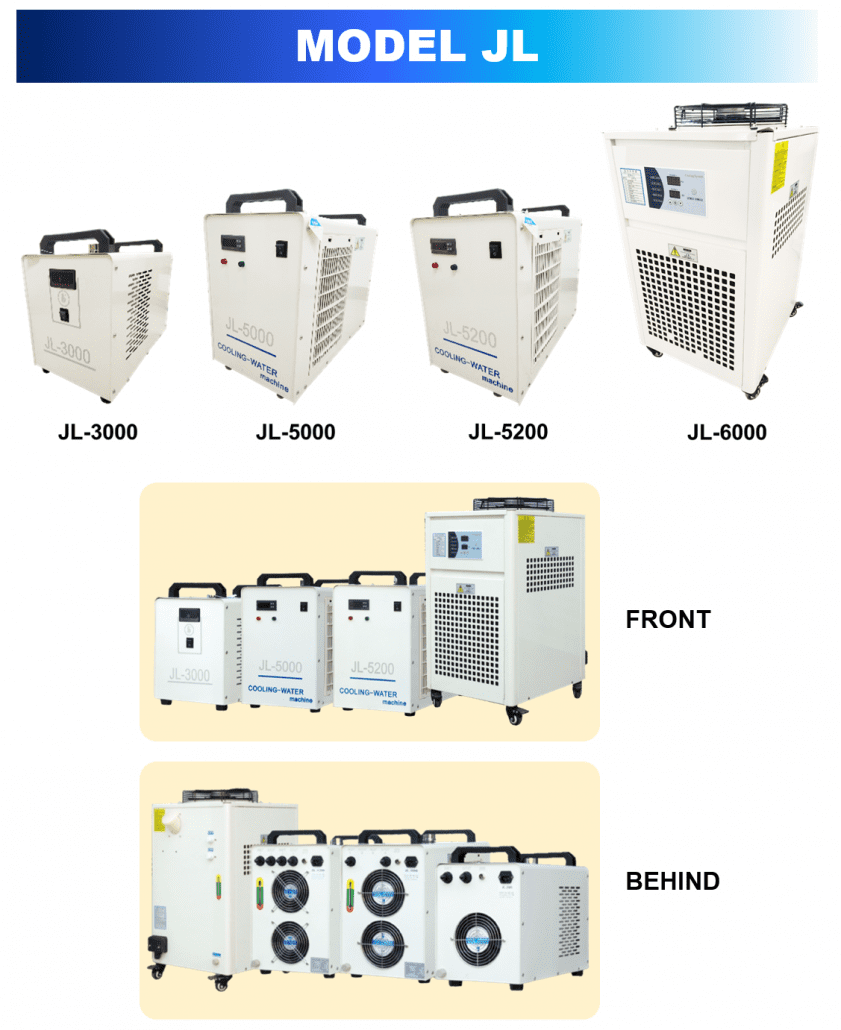
Chiller Water Cooling Model JL Series
How is BTU measured?
BTU, or British Thermal Unit, is a unit of measurement used to quantify the amount of heat energy required to raise the temperature of one pound of water by one degree Fahrenheit at a constant pressure. It’s commonly used in the United States and other countries for measuring heating and cooling capacities.
The process of measuring BTUs involves several steps:
- Define the System: Determine the system for which the BTU measurement is being made. For example, it could be a heating system, a cooling system, or an appliance like a stove or water heater.
2. Identify the Substance: Determine the substance for which the heat energy is being measured. In many cases, this is water, but it can vary depending on the application.
3. Measure Temperature Change: Measure the initial temperature and final temperature of the substance. For example, if measuring the BTUs generated by burning fuel in a furnace, you would measure the temperature of the water before and after the heat exchange process.
Calculate Heat Energy: Use the formula to calculate the heat energy in BTUs:
Heat energy (BTU)
=
mass (lb)
×
specific heat (BTU/lb°F)
×
temperature change (°F)
Heat energy (BTU)=mass (lb)×specific heat (BTU/lb°F)×temperature change (°F)
5. In this context, “mass” refers to the mass of the substance in pounds, “specific heat” refers to the specific heat capacity of the substance in BTU per pound per degree Fahrenheit (BTU/lb°F), and “temperature change” refers to the change in temperature in degrees Fahrenheit.
6. Account for Efficiency: In some cases, the efficiency of the system or device being measured may need to be taken into account to determine the actual BTU output or input.
Overall, BTU measurement provides a standardized way to quantify heat energy, which is essential for various applications, including HVAC (heating, ventilation, and air conditioning), cooking, and industrial processes.
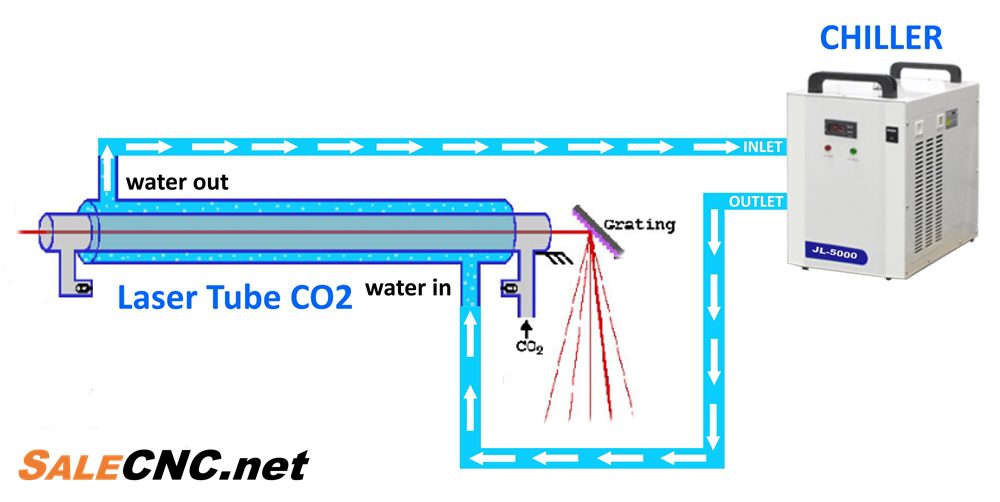
Operation of CO2 Laser Tube with Chiller System
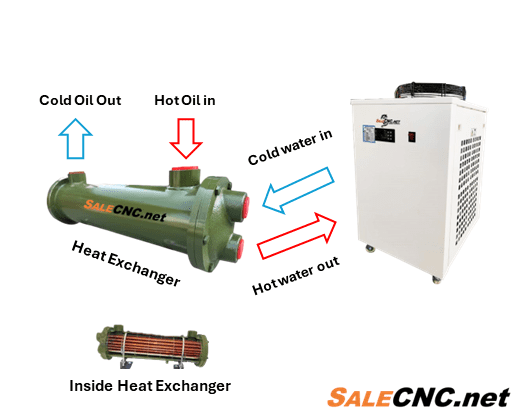
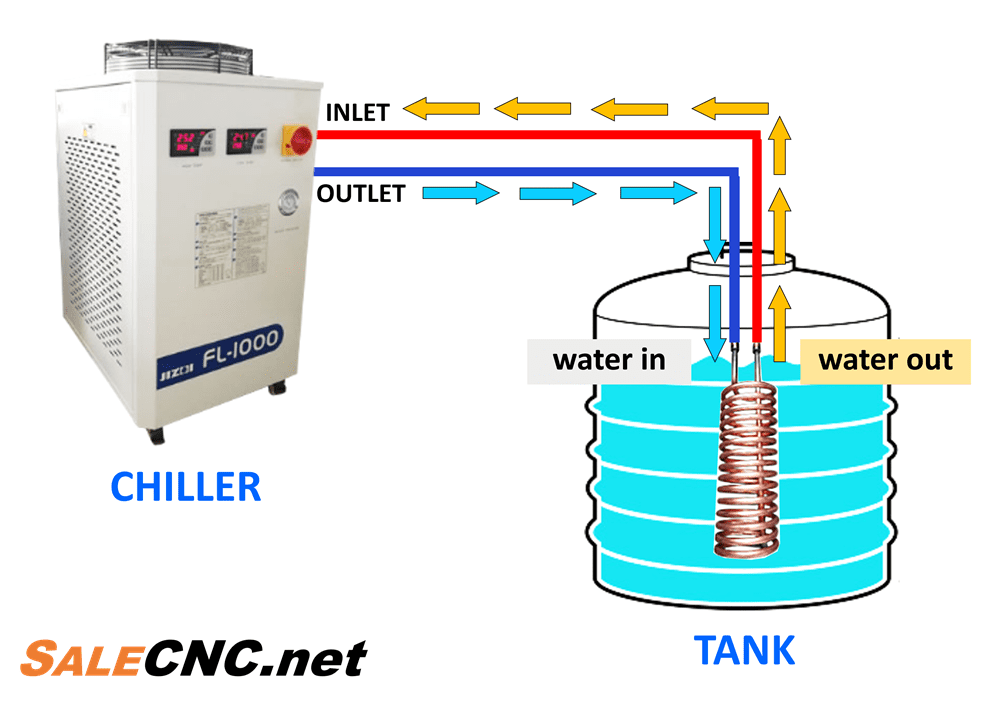
Optional Add-on: Heat Exchanger

The Heat Exchanger connects to the Chiller and is submerged in water, further reducing the water temperature.
Available for only 3,000 Baht!!
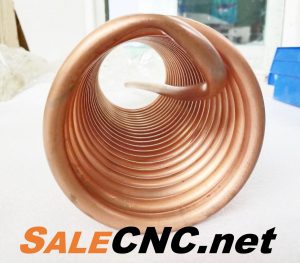
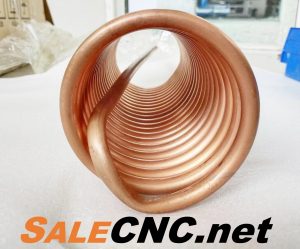


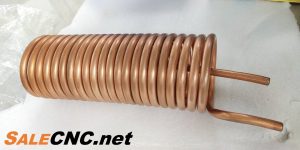
Heat Exchanger Installation with Chiller Unit

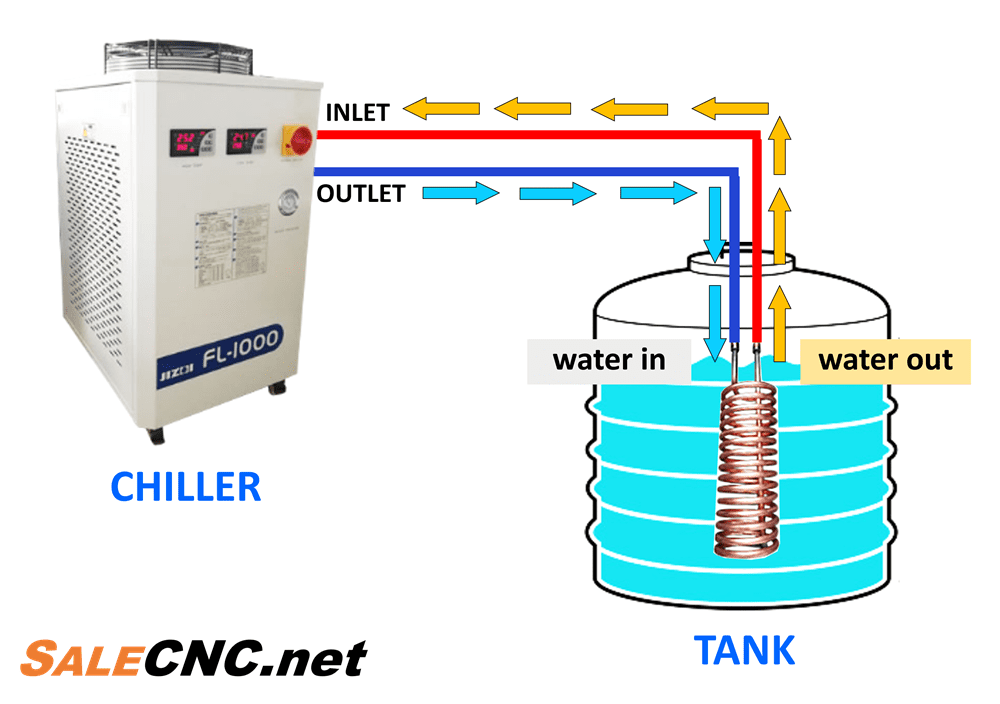
Heat Exchanger – An accessory for chillers that further reduces water temperature | SALECNC.net
Chiller Water Cooling VS Cooling Tower
Cooling Towers are primarily used in industries such as plastic injection molding. However, cooling towers have significant drawbacks, including large size, difficulty in maintenance due to their open system design, and susceptibility to dust and sediment ingress, which negatively impacts performance and lifespan.
Industrial facilities are increasingly opting for Chillers (Water Cooling Systems). These units are more compact, space-saving, and feature a closed-system design that effectively prevents dust and sediment contamination, ensuring a longer operational life.
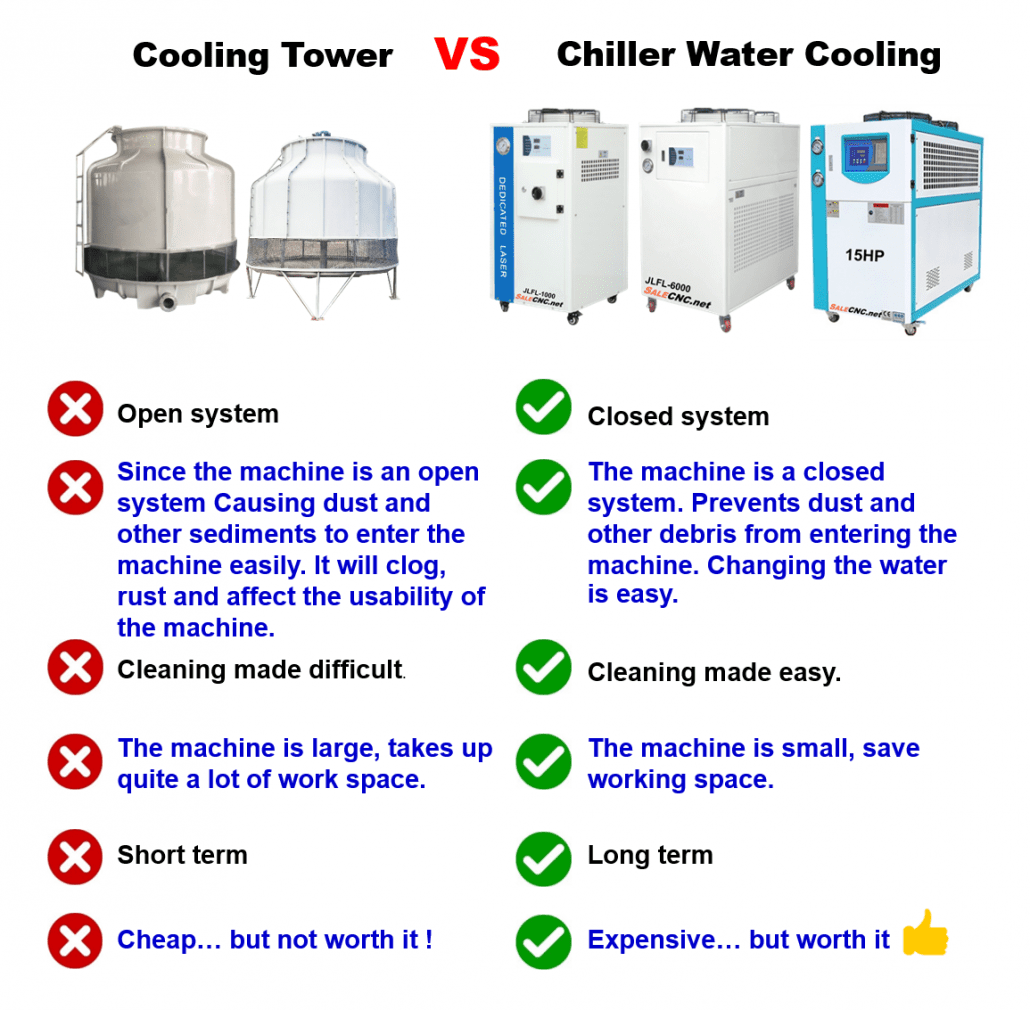
| Cooling Tower | Chiller Water Cooling |
|---|---|
| ❌ Open system | ✅ Closed system |
| ❌ Open system operation allows dust and sediment ingress, leading to clogging, rust, and reduced usability. | ✅ Closed system operation effectively prevents dust and sediment ingress. Water changes are convenient. |
| ❌ Difficult to clean. | ✅ Easy to clean. |
| ❌ Large size requires significant workspace. | ✅ Compact size saves considerable workspace. |
| ❌ Short lifespan. | ✅ Long lifespan. |
| ❌ Low initial cost, but high long-term costs due to maintenance, repairs, and short lifespan, leading to increased future expenses. | ✅ Higher initial cost, but cost-effective due to easier maintenance and reduced long-term operational expenses. |
สนใจหรือติดต่อสอบถาม โทร
061-509-6388 (Chompoo)
098-997-4199 (Fern)
0615096199 (Banz)
0818071445 (Mint)
E-mail : [email protected]
LINE SCAN:
 Add Line: @123wotsb Fern (sales engineer) '
 Add Line: @sales Chompoo (sales engineer)
A water chiller is often better than an air chiller depending on the application, environment, and efficiency needs. Here are the key advantages of a water chiller over an air chiller:
1. Higher Cooling Efficiency
- Water has a higher heat capacity than air, meaning it can absorb and transfer heat more efficiently.
- This makes water chillers more effective in high-heat-load applications.
2. More Consistent Cooling
- Water-cooled chillers provide steady cooling performance because water temperature is easier to control than ambient air temperature.
- Air chillers depend on the surrounding air temperature, which can fluctuate and reduce efficiency.
3. Better Performance in Hot Environments
- In hot and humid areas (like Thailand), air chillers struggle because the heat exchange with hot air is inefficient.
- Water chillers work well even in high ambient temperatures since they use water as a cooling medium.
4. Smaller Footprint & Indoor Installation
- Water-cooled chillers are typically more compact than air-cooled chillers of the same capacity.
- They can be installed indoors since they do not rely on large airflow systems.
5. Lower Noise Levels
- Water chillers are quieter because they do not require large fans for heat dissipation, unlike air-cooled chillers.
6. Longer Lifespan
- Water chillers last longer than air chillers because they operate at lower pressures and are not directly exposed to external environmental factors like dust, dirt, and fluctuating air temperatures.
7. Lower Energy Consumption in Large Systems
- In large-scale applications, water chillers can be more energy-efficient than air chillers because water is a better heat conductor, requiring less power to move heat.
Best Applications for Water Chillers:
- Industrial machinery cooling (like CNC machines, laser cutting, and injection molding).
- Data centers and large HVAC systems.
- Food & beverage production.
- Medical and laboratory equipment.
If you are considering a water chiller for SaleCNC.net customers, it could be a great option for large-scale CNC machine cooling, laser welding, and other high-precision applications!